Struggling to Find Painters and Decorators in the Cotswolds? 12+ Questions to Ask Before You Hire
- Lewis Mitten
- Feb 2
- 4 min read
Finding the right decorator for your period property shouldn't feel like a gamble.
Yet too many Cotswolds homeowners discover: halfway through a project: that their chosen contractor has little understanding of traditional materials or heritage considerations. The damage can be costly, both financially and historically.
The solution isn't complicated. Ask the right questions before signing anything.
Experience with Heritage Properties
Do you regularly work on listed buildings and period properties?
This isn't about whether they've painted a Victorian cottage once. You need someone who understands conservation principles, breathable materials, and the regulatory requirements that come with protected buildings.
Generic decorators often apply modern materials to old walls. The consequences range from trapped moisture to damaged historic fabric. Ask for specific examples of Grade II listed projects they've completed recently.
What traditional finishes and techniques do you specialise in?
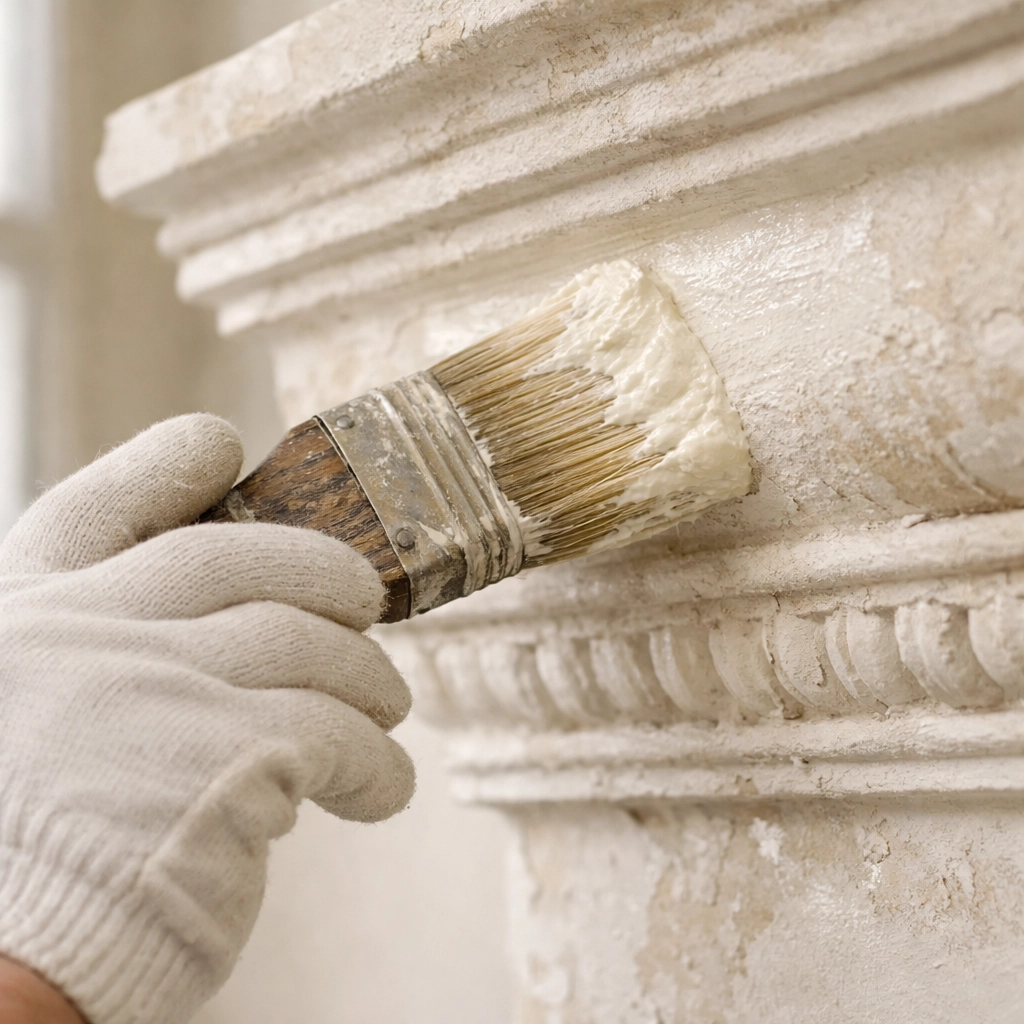
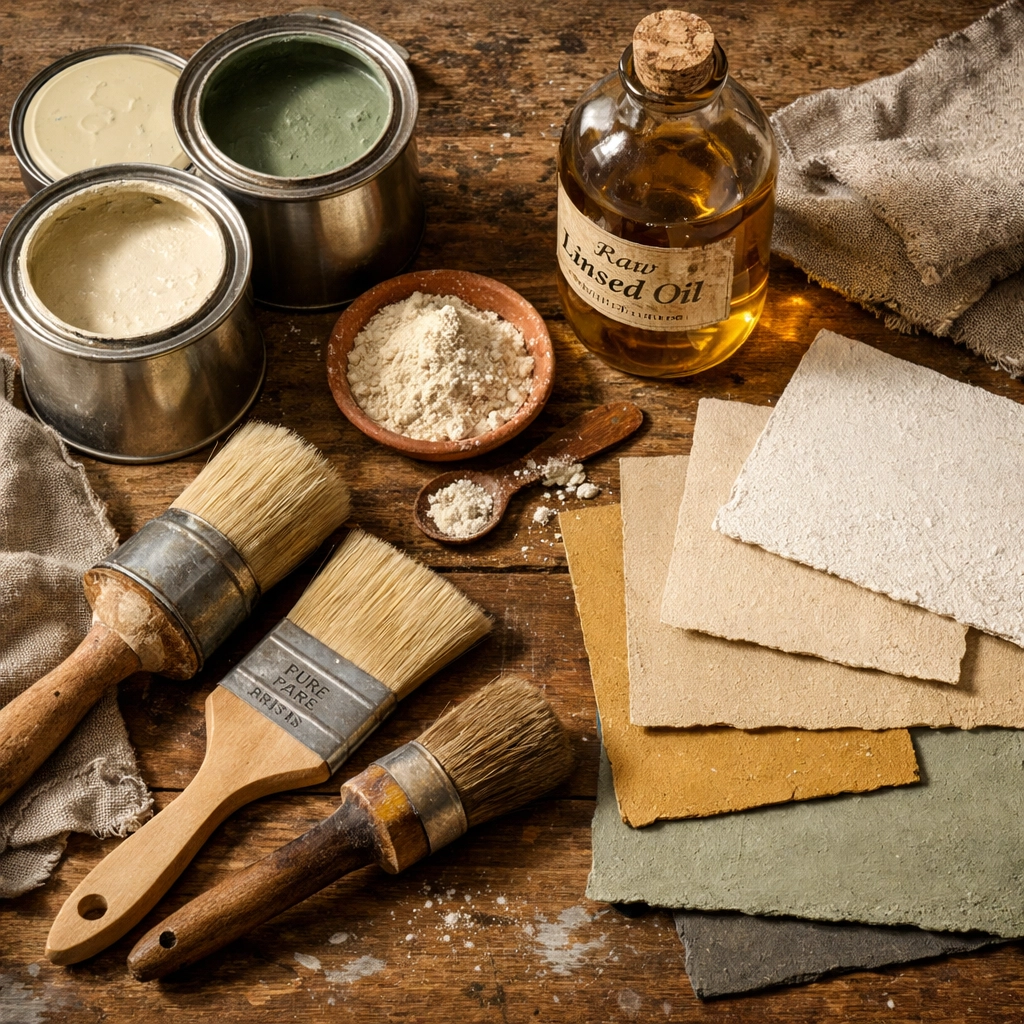
The answer should include specific materials: limewash, distemper, oil-based systems, traditional joinery treatments. If they mention only modern emulsions and standard primers, they're not equipped for heritage work.
Can you provide references from conservation officers or heritage consultants?
Reputable specialists maintain working relationships with local conservation teams. These professional references matter far more than standard client testimonials when assessing technical competence.
Materials and Methods
What preparation process do you follow for period plasterwork?
Proper preparation accounts for at least sixty percent of a quality finish. Ask about their approach to substrate testing, moisture assessment, and surface consolidation. Vague answers suggest shortcuts.
The best contractors treat preparation as the foundation of durability. Poor preparation creates problems that appear months after they've left.
Which paint systems do you recommend for breathable walls?
Period properties require breathable finishes. Modern vinyl emulsions trap moisture behind impermeable films, leading to blistering, flaking, and structural damage.
The correct answer includes mineral paints, lime-based systems, or traditional distempers. If they suggest standard trade emulsion for external lime render, walk away.
Do you work with specialist materials like Venetian plaster or polished lime?
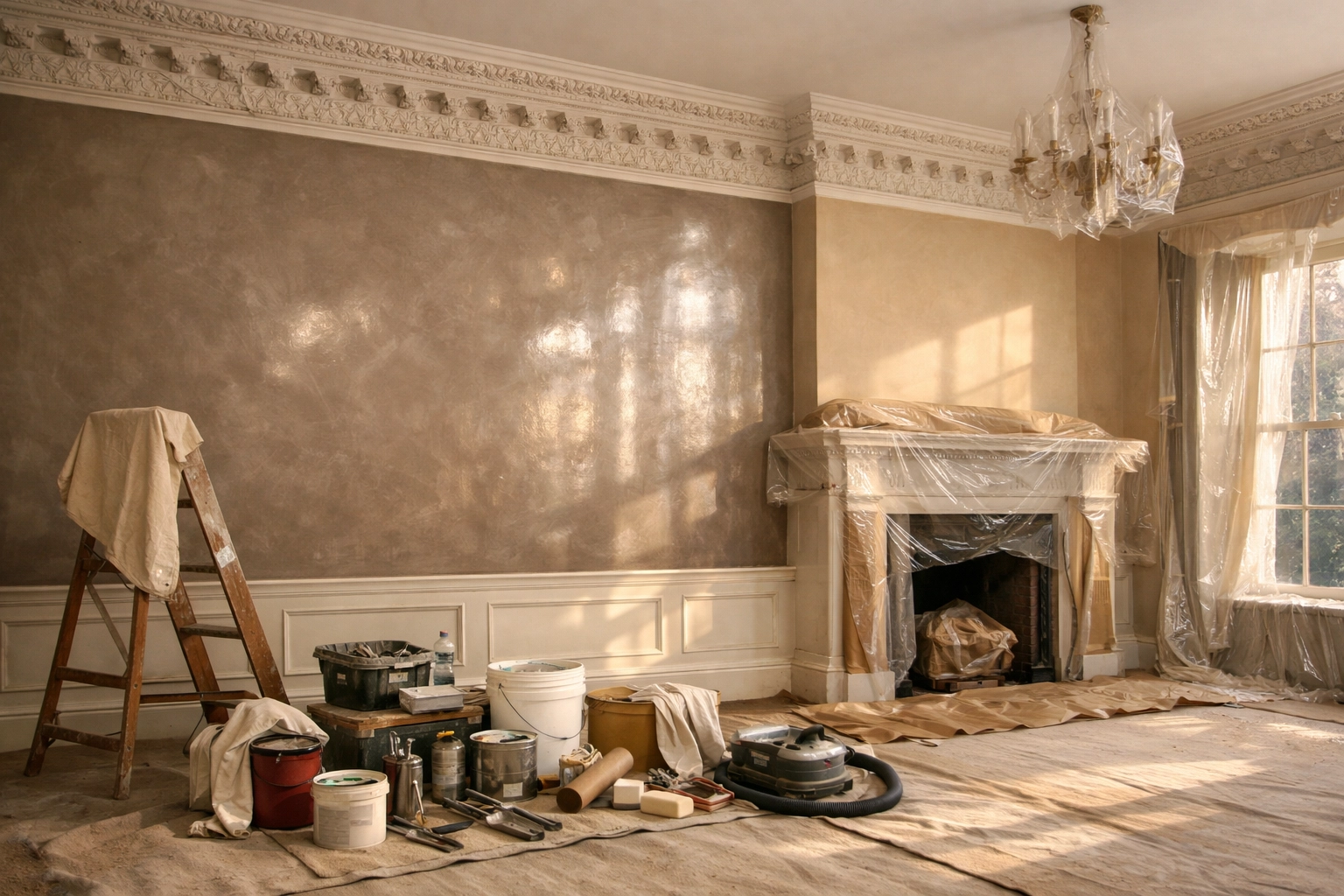
These techniques require specific training and considerable practice. Ask to see portfolio examples. Venetian plaster applied incorrectly looks amateurish and ages poorly. Done properly, it develops a lustrous patina that improves over decades.
Project Management
Who will actually be doing the work?
Some firms send quotes but subcontract the actual decorating to unknown teams. You deserve to know who enters your home and whether they possess the skills advertised.
Consistency matters. The same craftspeople should complete your project from start to finish.
What is your typical timeline, and how do you handle delays?
Heritage work cannot be rushed. Lime products require extended drying times. Traditional techniques demand patience. Contractors who promise unrealistic timelines either don't understand the materials or plan to cut corners.
How do you protect period features during work?
Original floors, architraves, and fixtures deserve careful protection. Ask about their approach to masking, dust control, and site cleanliness. These details reveal their respect for historic fabric.
Insurance and Compliance
Do you carry specialist insurance for listed building work?
Standard public liability insurance may not cover conservation work on protected structures. Verify they maintain appropriate coverage before allowing them on site.
Are you familiar with local planning requirements and listed building consent?
Certain works require formal consent. Contractors should understand these requirements and factor them into timelines. Ignorance of planning law creates delays and potential legal complications.
Technical Knowledge
How do you approach damp walls in period properties?
The answer should never involve vinyl paints or impermeable membranes. Historic buildings were designed to breathe. Modern attempts to seal them inevitably fail while causing additional damage.
Look for understanding of ventilation, breathable materials, and the importance of identifying root causes rather than masking symptoms.
What is your experience with traditional wallpaper installation?
Period properties often feature hand-printed papers or delicate historic patterns. Installation requires specific paste types, careful pattern matching, and understanding of how papers behave on lime plaster versus modern boards.
Generic wallpaper hangers may lack the nuanced skills required for specialist or conservation-grade papers.
Can you handle specialist finishes like spray-painted cabinetry?
Modern cabinet refinishing often involves spray application for flawless results. However, not all decorators maintain spray equipment or possess the expertise to achieve professional results indoors.
If kitchen or furniture work forms part of your project, verify their equipment and experience with these specific techniques.
Communication and Aftercare
How do you provide project updates?
Clear communication prevents misunderstandings. Established contractors provide regular updates, respond promptly to queries, and maintain transparent dialogue throughout the work.
Poor communication often signals deeper organizational problems that affect project quality.
What guarantees do you offer on materials and workmanship?
Reputable specialists stand behind their work. Ask about warranty periods for both materials and application. Quality contractors offer meaningful guarantees because they trust their methods and products.
Do you provide maintenance guidance after completion?
Traditional finishes require appropriate maintenance to preserve their appearance and protective qualities. The best contractors educate clients about proper care, cleaning methods, and when recoating becomes necessary.
This knowledge transfer demonstrates genuine commitment to long-term results rather than quick turnover.
Practical Considerations
Can you provide a detailed written quotation?
Verbal estimates lead to disputes. Professional contractors provide itemized quotations specifying materials, preparation steps, number of coats, and exclusions.
Vague quotes often hide insufficient scope or planned shortcuts.
What are your payment terms?
Staged payments tied to project milestones protect both parties. Large upfront deposits or full payment before completion suggest financial instability or poor business practices.
Making the Decision
Choosing decorators for a period property requires more scrutiny than standard residential work. The stakes are higher when historic fabric and heritage value hang in the balance.
These questions separate competent heritage specialists from general contractors attempting work beyond their expertise. Take time to ask them thoroughly. Compare answers across multiple candidates.
The right decorator won't just tolerate detailed questions: they'll welcome them as signs of an informed, engaged client who values quality as much as they do.
Your period property deserves nothing less than meticulous, sympathetic treatment from craftspeople who understand its unique requirements. These questions help you find exactly that.

Comments