Looking for Spray Painting Kitchen Cabinets? Here Are 10 Things You Should Know
- Lewis Mitten
- Jan 26
- 5 min read
Your kitchen cabinets have seen better days. The colour feels dated, perhaps. Or the finish has dulled after years of faithful service.
For owners of period properties across Cheltenham and the Cotswolds, the prospect of a full kitchen replacement can feel rather daunting. The disruption alone is enough to give pause: not to mention the cost, and the challenge of finding cabinetry sympathetic to a listed or heritage home.
There is, however, another way.
Spray painting kitchen cabinets offers a remarkably effective solution. A tired kitchen can be transformed in a matter of days, with results that rival: and often surpass: factory finishes. When executed correctly, sprayed cabinetry delivers a flawless, mirror-smooth surface that hand painting simply cannot match.
But the process is not without its nuances. Here are ten things worth knowing before you begin.
1. Preparation Is Everything
This cannot be overstated.
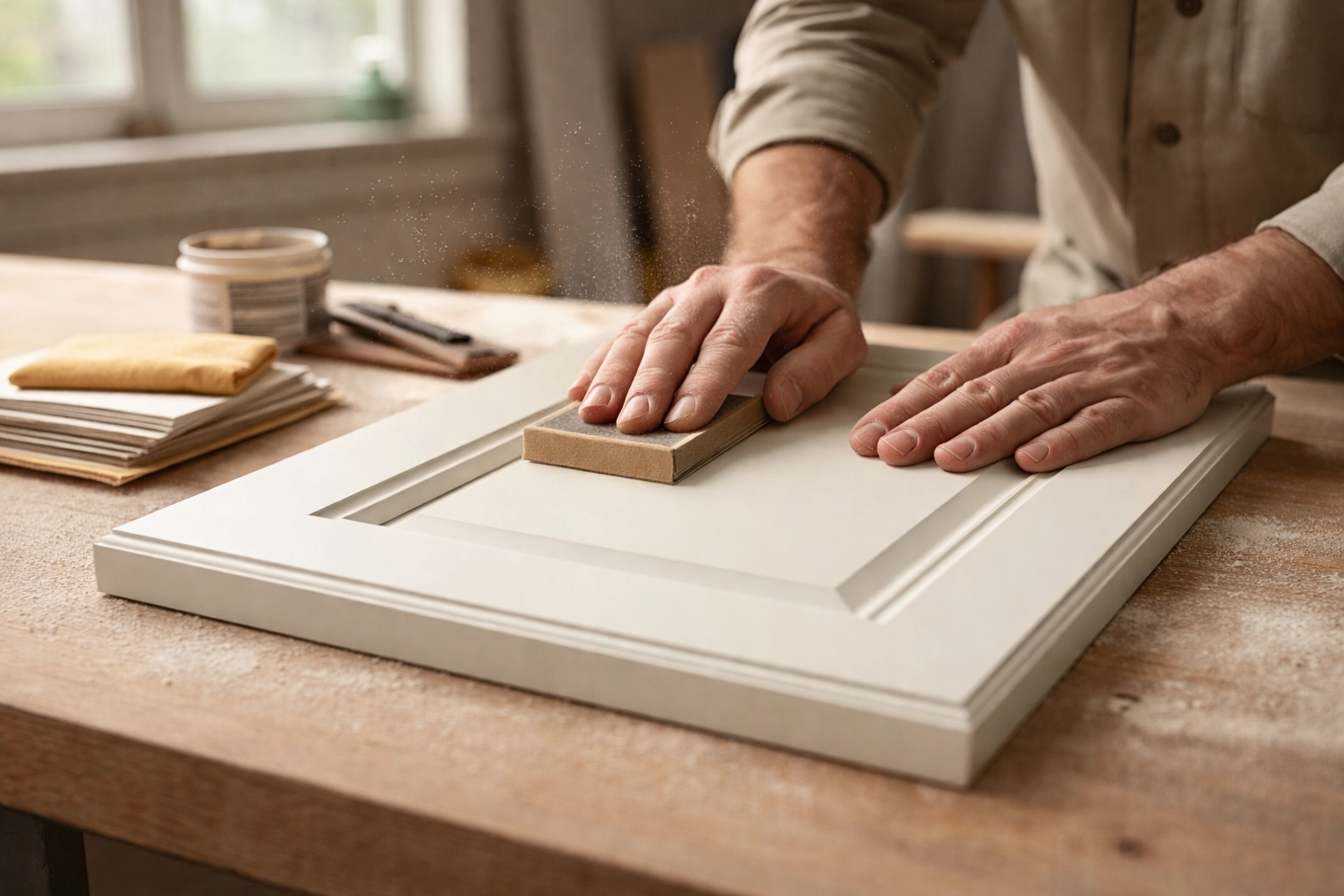
The quality of any spray-painted finish depends almost entirely on what happens before the paint gun is even switched on. Surface preparation accounts for roughly 80% of the work: and 100% of the difference between a professional result and an amateur one.
Doors must be removed. Hardware must be detached. Surfaces must be cleaned, degreased, and sanded with precision. Any imperfection left behind will be magnified beneath a gloss or satin finish.
At Cheltenham Heritage Finishes, meticulous preparation is our particular strength. We invest the time others skip, ensuring the final finish looks effortless.
2. Not All Paints Are Created Equal
The paint you choose matters enormously.
For kitchen cabinetry, durability is paramount. These surfaces endure daily contact, moisture, heat, and the occasional splash of cooking oil. A standard emulsion simply will not do.
Professional spray painters typically use specialist lacquers or hybrid enamels designed specifically for furniture and cabinetry. These formulations cure to a hard, wipeable surface that resists chips, scratches, and yellowing over time.
Mirror-gloss lacquers, in particular, offer an exceptionally refined finish: one that suits period properties beautifully, lending kitchens a bespoke, furniture-like quality.
3. Priming Is Non-Negotiable
Skipping primer is a false economy.
A high-quality, oil-based primer serves multiple purposes. It creates a water barrier, prevents tannin bleed-through from wood, and provides a stable foundation for the topcoat to bond with. It also seals away any residual grease that cleaning may have missed.
Without proper priming, even the finest topcoat will fail prematurely. Adhesion issues, peeling, and discolouration become inevitable.
4. Spray Technique Requires Skill
Spray painting is not simply pointing and pressing.
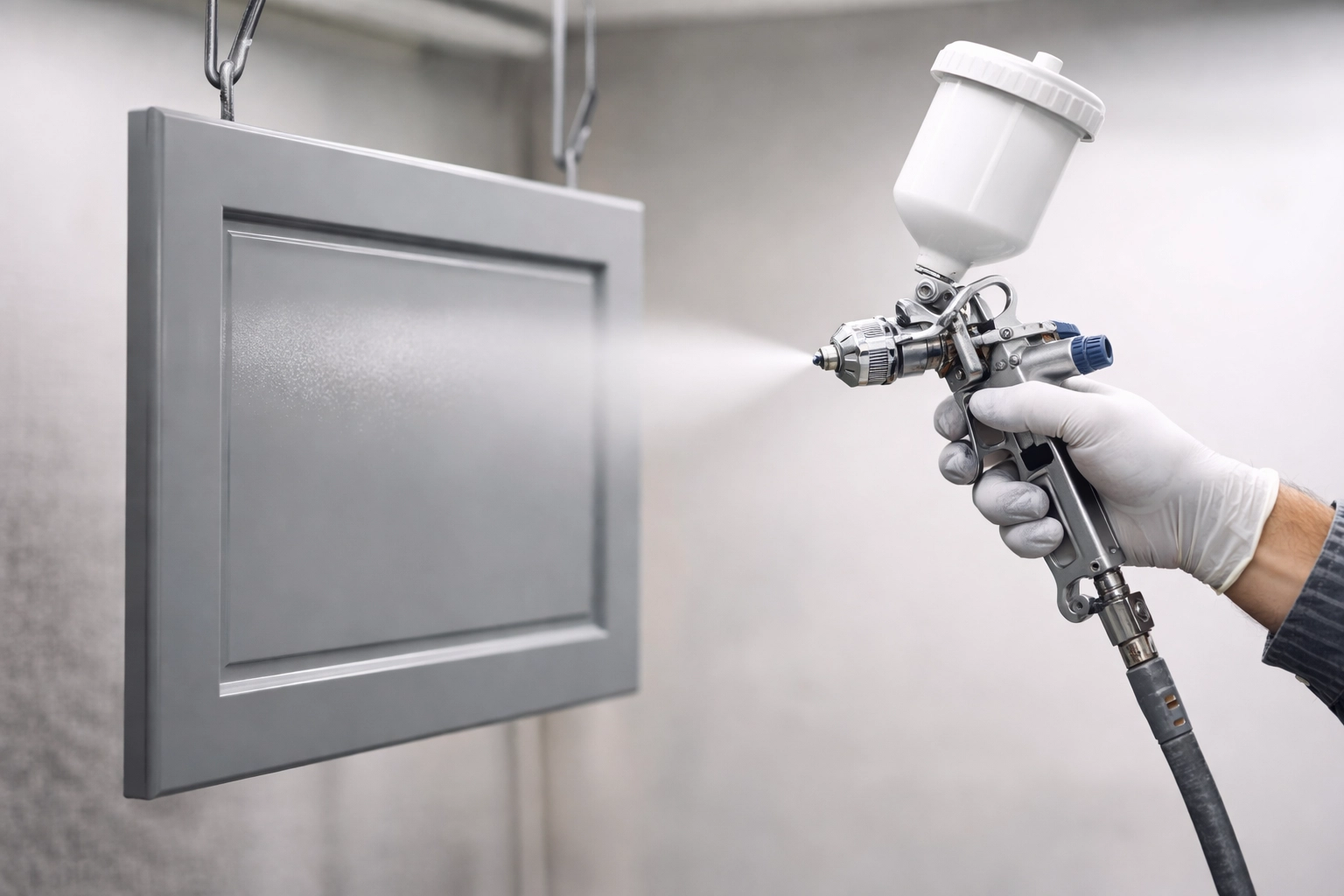
The nozzle must be held at a consistent distance: typically six to eight inches from the surface. The gun must move at a steady pace, never pausing over one spot. The trigger should be pulled only whilst in motion, and released the same way.
Pattern monitoring is essential. A clean leading edge indicates correct pressure and distance. Excessive splatter suggests the operator is too close or moving too slowly.
This is skilled work. It requires practice, patience, and an understanding of how different paints behave under different conditions.
5. Multiple Coats Are Essential
A single coat will not suffice.
Professional spray painting typically involves one coat of primer followed by at least two topcoats. Each layer must be allowed to dry before the next is applied, and light sanding between coats: using 400 to 600 grit: ensures optimal adhesion and smoothness.
The result is a finish with genuine depth and durability. Shortcuts here lead to disappointment later.
6. Drying and Curing Are Different Things
Your cabinets may feel dry to the touch within hours.
But true curing: the chemical process by which paint reaches full hardness: takes considerably longer. For most high-quality lacquers, doors should not be reinstalled for five to seven days at minimum. Full cure time extends to thirty days or more.
During this period, handles should be turned gently and surfaces treated with care. Patience at this stage protects your investment for years to come.
7. Spray Painting Suits Period Properties Particularly Well
For those living in listed buildings or heritage homes, spray painting offers a sympathetic solution.
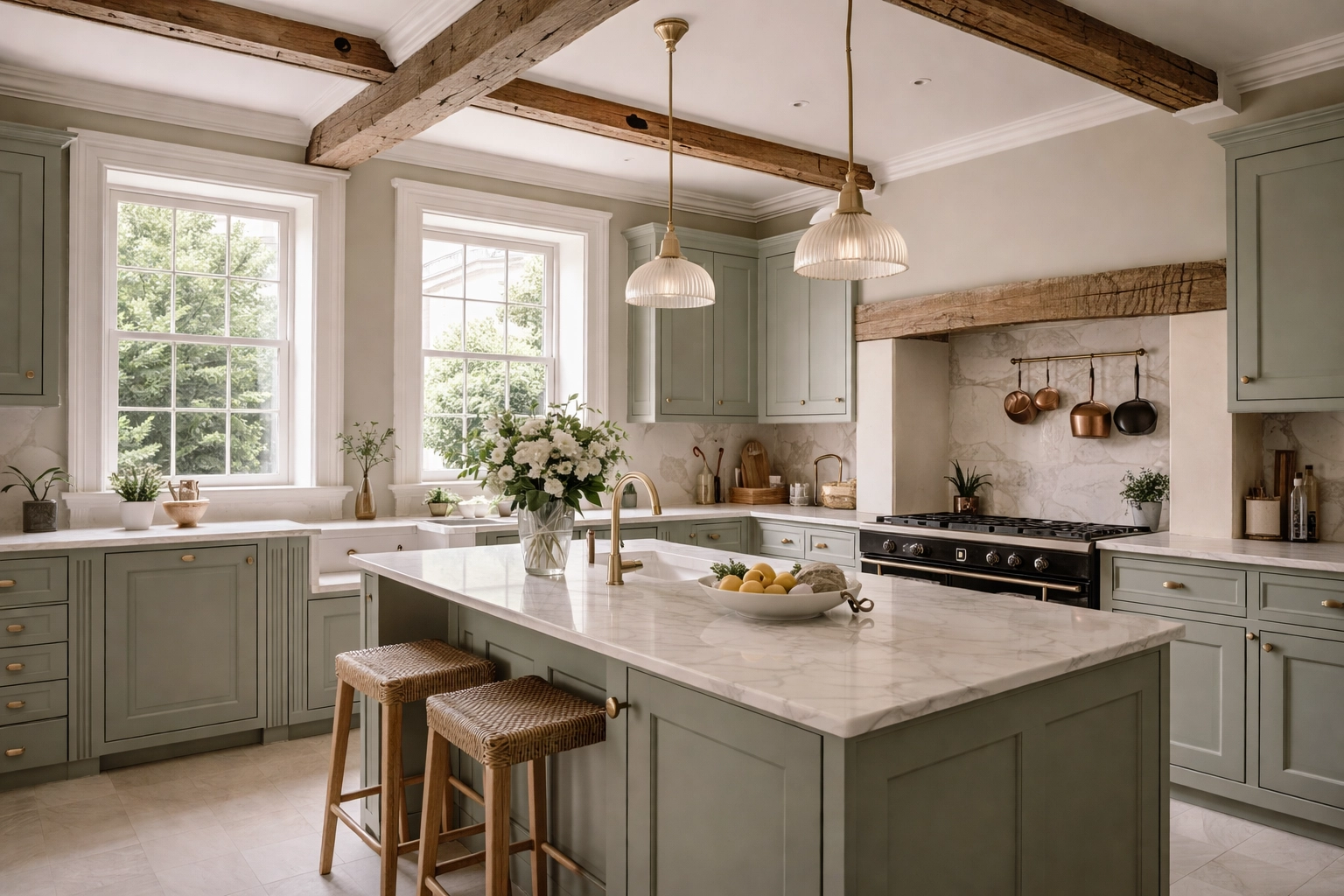
Rather than ripping out original or well-crafted cabinetry, the existing structure can be preserved and refreshed. This approach respects the character of your property whilst delivering a contemporary, immaculate finish.
It also sidesteps the challenge of sourcing replacement cabinets that suit the proportions and style of an older kitchen: a difficulty anyone who has attempted it will recognise.
8. Hand Painted Kitchens Have Their Place
A hand painted kitchen carries a certain charm. The subtle brush texture, the slightly softer finish: these qualities suit some properties and some tastes.
But for those seeking a truly flawless, furniture-grade surface, spray painting is the superior choice. The atomised application creates an evenness that brushes and rollers cannot replicate, however skilled the painter.
Many clients opt for a combination: spray-finished doors and drawer fronts, with hand-painted frames where brush marks are less visible and access for spraying is limited.
9. Professional Execution Makes All the Difference
The gap between DIY spray painting and professional work is considerable.
Professional decorators bring not only skill but equipment: HVLP spray systems, dedicated spray booths or carefully prepared environments, industrial-grade extraction, and the experience to troubleshoot when conditions change.
They also bring accountability. At Cheltenham Heritage Finishes, we offer a one-year guarantee on all sprayed cabinetry work. Our team is DBS-checked, fully insured, and accustomed to working within occupied homes with minimal disruption.
For period properties in Cheltenham and the Cotswolds, this matters. Your home deserves care, discretion, and craftsmanship in equal measure.
10. The Transformation Can Be Remarkable
Perhaps the most important thing to know is this: the results speak for themselves.
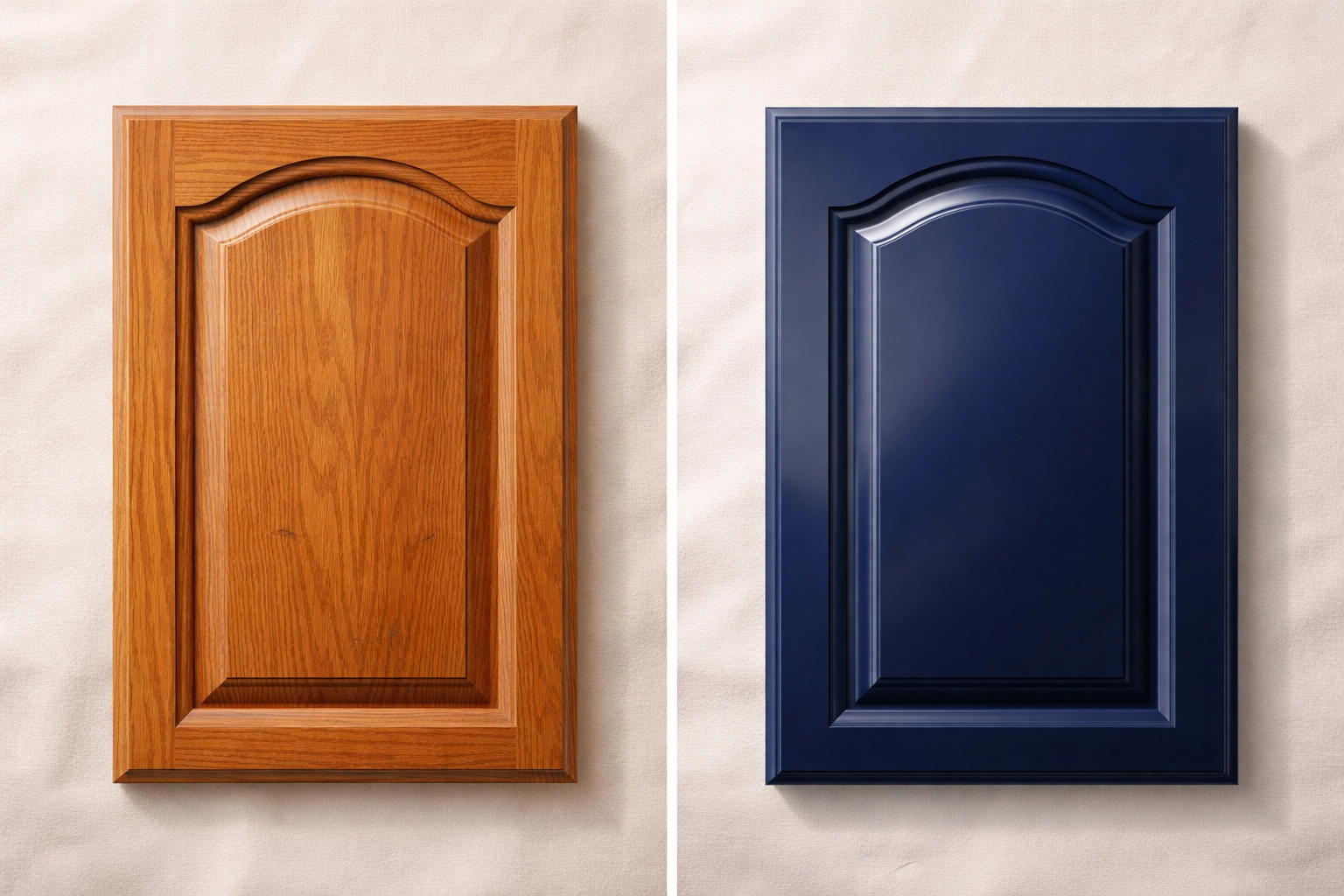
A well-executed spray finish can make fifteen-year-old cabinets look newly installed. Dated oak can become elegant grey. Tired cream can transform into sophisticated dark blue. The bones of your kitchen: the layout, the storage, the functionality: remain intact, whilst the aesthetic is renewed entirely.
For a fraction of the cost of replacement, and with far less disruption, your kitchen becomes a space you genuinely wish to spend time in again.
A Word on Choosing Your Painter
Not every painter and decorator offers spray finishing. It requires specialist equipment and specific expertise.
When seeking painters and decorators in Cheltenham or the surrounding Cotswolds, it pays to ask directly about their spray painting experience. Request examples of previous kitchen work. Enquire about their preparation process: the detail here reveals much about their standards.
At Cheltenham Heritage Finishes, sprayed cabinetry and mirror-gloss lacquers are something of a speciality. We understand the particular requirements of period properties and approach every project with the care such homes deserve.
If you are considering refreshing your kitchen cabinets, we would be pleased to discuss the possibilities. You can learn more about our approach at cheltenhamheritage.co.uk.
In Summary
Spray painting kitchen cabinets offers period property owners an elegant alternative to full replacement. The process demands skill, patience, and meticulous preparation; but the rewards are significant.
A flawless, durable finish. A kitchen transformed without upheaval. Heritage preserved, aesthetics renewed.
It is, quite simply, a sensible choice.

Comments