7 Mistakes You're Making with Period Property Painting (and How Heritage Decorators Fix Them)
- Lewis Mitten
- Feb 18
- 5 min read
Owning a period property in Cheltenham or the Cotswolds is a privilege. These homes possess architectural character that modern builds simply cannot replicate.
But painting them incorrectly can cause lasting damage.
Most decorators treat Georgian townhouses and Victorian villas like new-builds. They apply modern paints to historic substrates. They seal walls that need to breathe. They strip details that took craftsmen weeks to apply.
The result? Peeling paint, trapped moisture, and compromised heritage features.
Here are seven critical mistakes property owners make: and how specialist heritage decorators approach them differently.
1. Using Modern Acrylic Paint on Historic Walls
Modern emulsion paints contain plastic. They create an impermeable film across wall surfaces.
Period properties were built with lime plaster and lime mortar. These materials function as part of a breathable system, allowing moisture to move through the building fabric naturally.
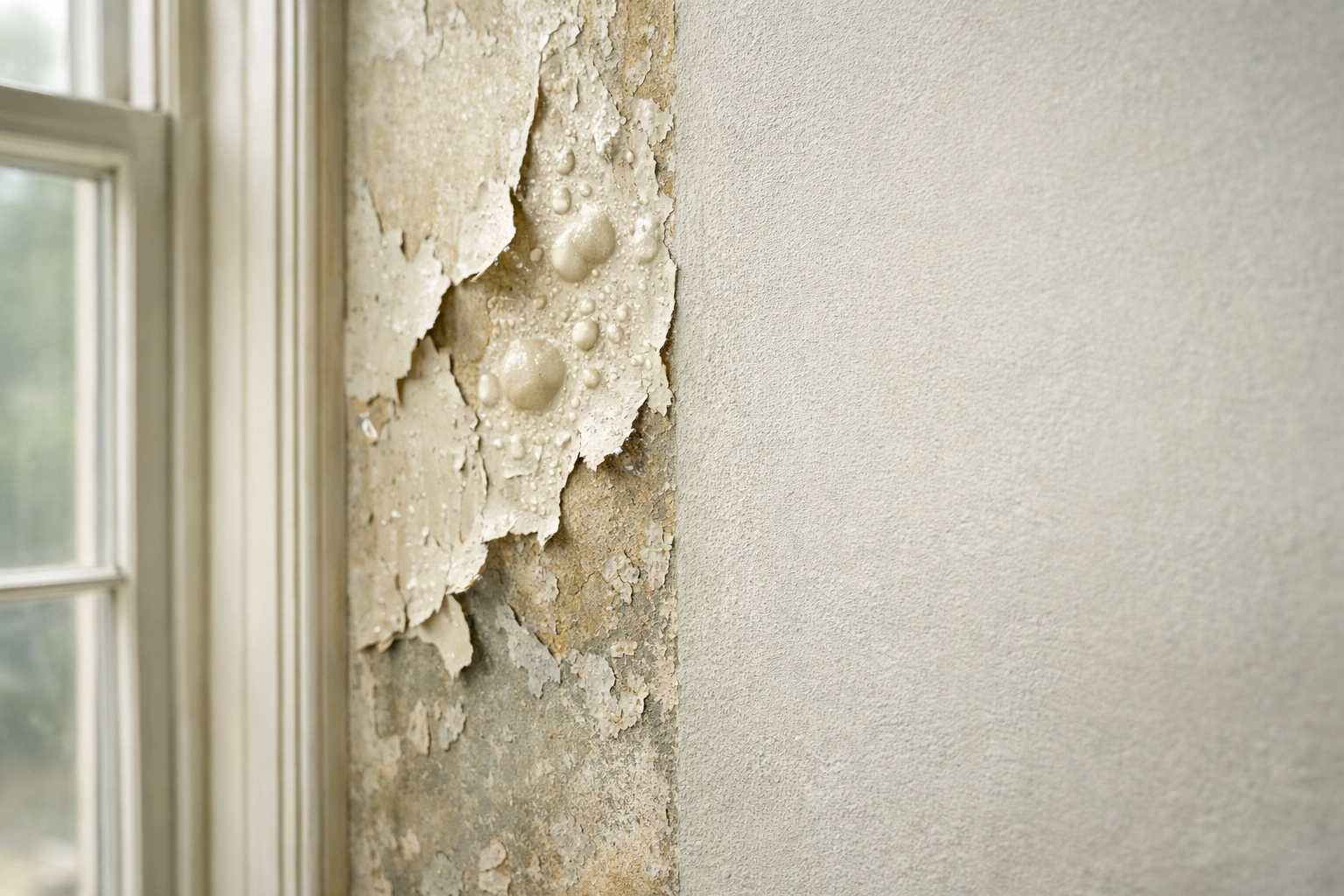
When you seal historic walls with plastic-based paint, you trap moisture. It has nowhere to go. The result is bubbling, flaking paint and potential damage to the underlying plaster and masonry.
How Heritage Decorators Fix It
Specialist decorators use breathable, vapour-permeable coatings. Limewash remains the gold standard for historic interiors and exteriors. It bonds with the substrate, allows moisture movement, and self-heals minor cracks through carbonation.
For interiors requiring more durability, clay-based paints or mineral distempers provide modern performance whilst maintaining breathability.
The choice depends on the building's age, substrate condition, and intended use of the space.
2. Inadequate Surface Preparation
Period properties rarely have perfectly smooth walls. Years of settlement, historic repairs, and multiple paint layers create complex surfaces.
Rushing preparation wastes the entire project. Paint adheres to what's underneath it. If that foundation is unstable, no amount of premium coating will help.
Most decorators underestimate the preparation required for historic substrates. They miss friable paint layers, old distemper, or lime-wash that needs complete removal.
How Heritage Decorators Fix It
Professional period property painting begins with thorough investigation. Heritage decorators assess what's already on the wall: often through small test areas or paint analysis.
Loose material is removed carefully. Historic plaster receives sympathetic repairs using lime-based materials that match the original composition. Cracks are filled with appropriate mortars, not modern filler that will crack again.
The goal is a stable, clean surface that allows new coatings to perform as intended. This phase typically consumes 60-70% of project time. It's invisible when finished, but it determines everything that follows.
3. Ignoring Historic Colour Palettes
Paint colours weren't always this bright. Historic pigments produced softer, more complex tones than modern synthetic alternatives.
Many period properties suffer from inappropriate colour schemes. Brilliant whites weren't used on Georgian interiors. Magnolia didn't exist in Victorian times.
These choices look wrong because they are wrong. They sit awkwardly against original architectural details, creating visual discord.
How Heritage Decorators Fix It
Specialist decorators understand period colour theory. They know which pigments were available in different eras and how they age.
For listed buildings or conservation areas, this knowledge becomes essential. Planning requirements often specify historically appropriate colours.
Even when formal restrictions don't apply, choosing sympathetic colours enhances architectural features rather than fighting them. Stone-based neutrals, earth pigments, and aged whites complement period details naturally.
Heritage decorators can source traditional pigments or specify modern equivalents that achieve similar visual effects whilst meeting contemporary performance standards.
4. Destroying Original Features During Preparation
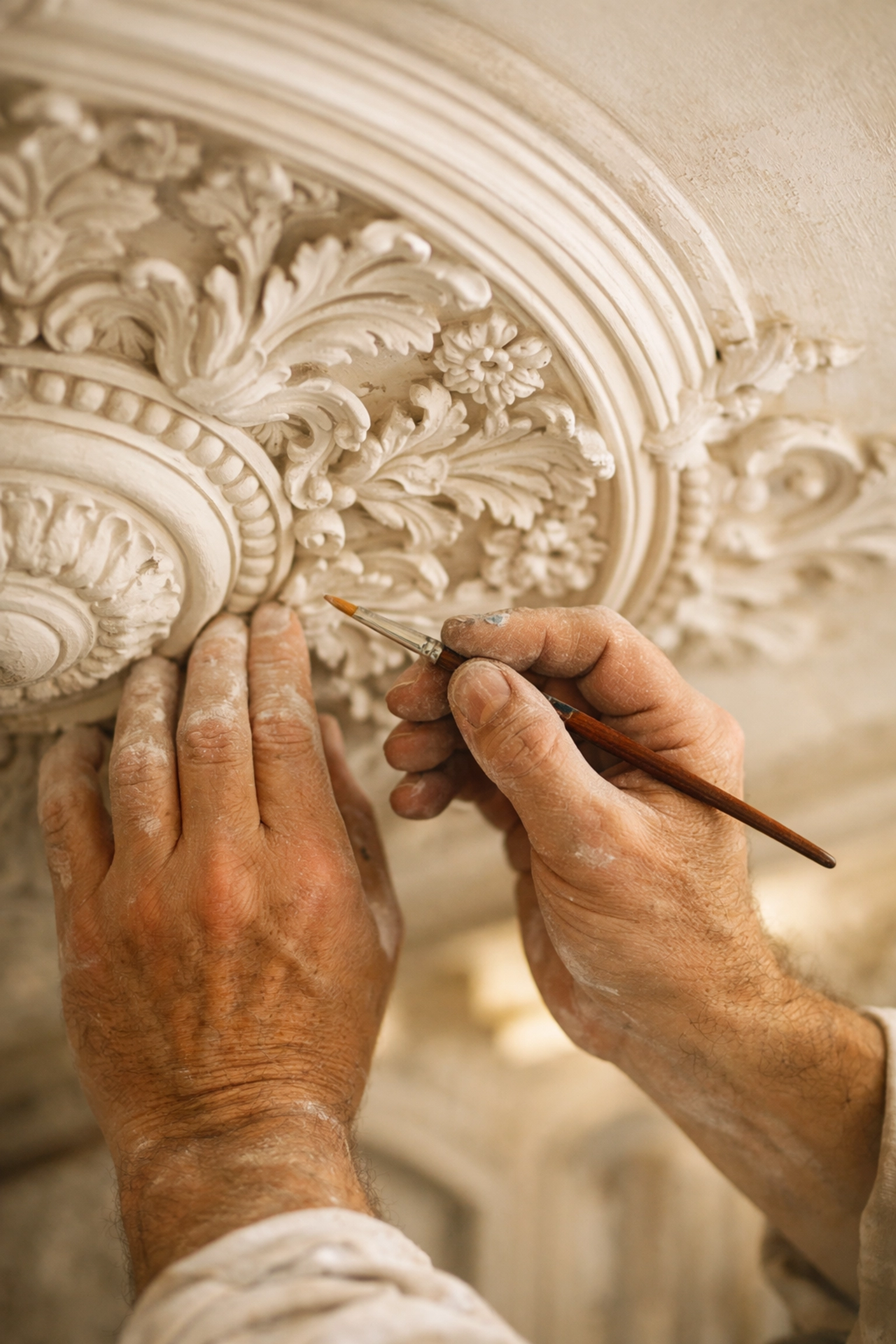
Period properties contain decorative elements that cannot be replaced. Ornamental plasterwork, picture rails, dado rails, and ceiling roses represent irreplaceable craftsmanship.
Aggressive preparation techniques damage these features. Heavy sanding removes fine detail. Chemical strippers dissolve historic materials. Careless masking pulls away delicate surfaces.
Once damaged, these elements require specialist restoration: if they can be restored at all.
How Heritage Decorators Fix It
Professional decorators working on period property painting projects employ gentle techniques appropriate to historic substrates.
Hand-stripping protects delicate details. Careful masking uses low-tack tapes on aged surfaces. Ornamental features receive individual attention rather than blanket treatment.
Where details have been painted over repeatedly, specialist decorators know how to reveal them safely. This requires patience, appropriate solvents, and an understanding of historic paint chemistry.
The investment in careful preparation preserves irreplaceable features whilst achieving impeccable finished surfaces.
5. Wrong Paint Systems for High-Moisture Areas
Period properties weren't built with damp-proof courses. They manage moisture through breathability and natural ventilation.
Bathrooms, kitchens, and basements in historic buildings require particular attention. Modern vinyl emulsions trap moisture in exactly the areas where it's most abundant.
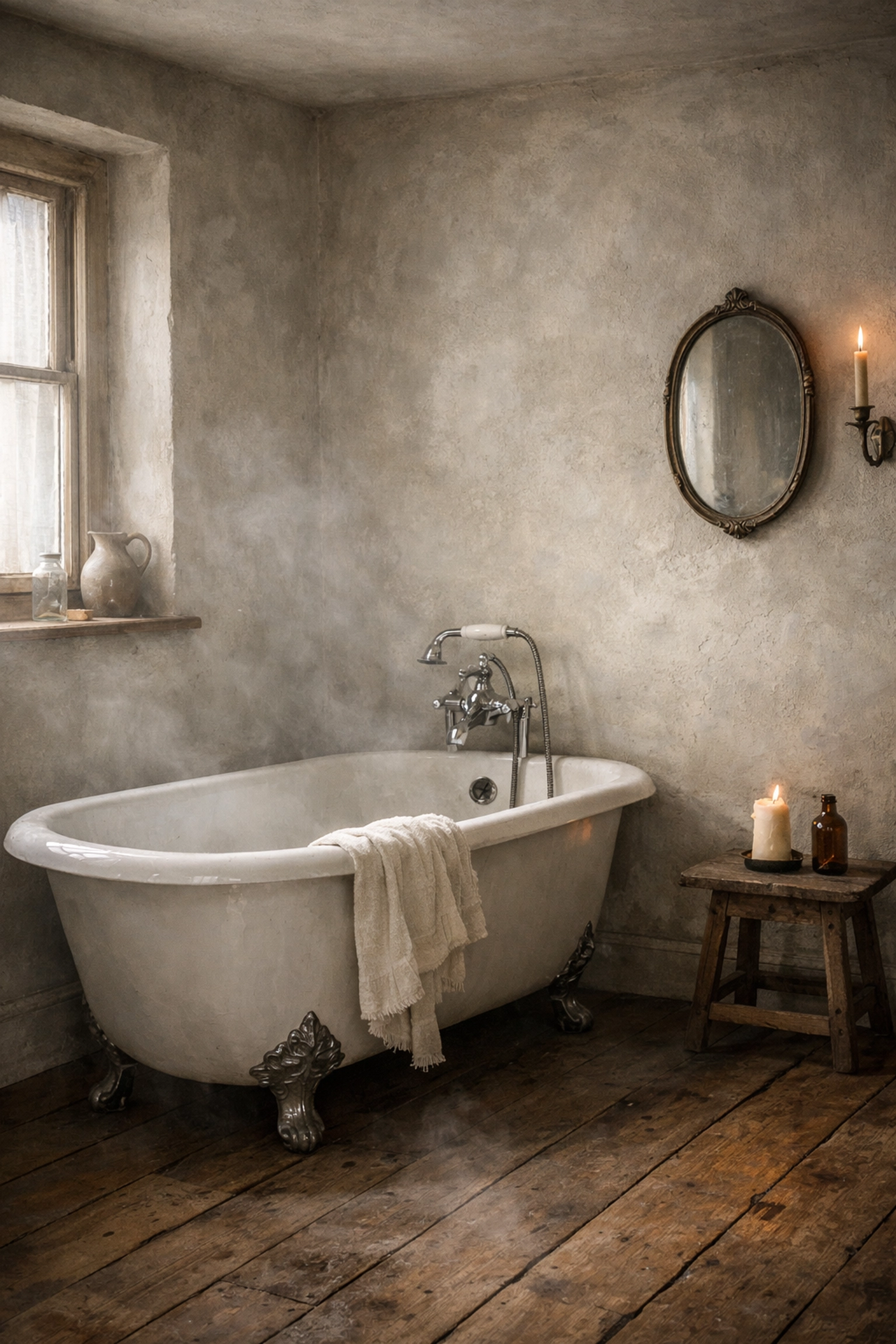
The result is persistent mould, peeling paint, and deteriorating substrates.
How Heritage Decorators Fix It
Heritage decorators select coatings based on the building's moisture management system, not marketing claims.
For high-moisture historic interiors, mineral paints and specialist breathable coatings allow water vapour to escape whilst providing necessary surface protection. Lime-based systems offer natural anti-microbial properties without sealing the substrate.
In basements and cellars, decorators may recommend targeted damp management solutions before any decorative work proceeds. Paint cannot solve fundamental moisture issues, but appropriate coatings won't make them worse.
The goal is a finish that works with the building, not against it.
6. Failing to Remove Inappropriate Historic Paint
Not all old paint is worth preserving. Many period properties have been painted incorrectly for decades.
Modern plastic paints applied in the 1970s onwards trap moisture and prevent proper building performance. Old oil paints can yellow and become brittle. Multiple incompatible layers create unstable substrates.
Decorators who simply paint over these systems perpetuate the problem. The new coating fails because what's underneath is unsuitable.
How Heritage Decorators Fix It
Specialist decorators assess existing coatings properly. When inappropriate modern paints are present, they recommend complete removal.
This is labour-intensive work. Chemical stripping, steam removal, or careful scraping reveal the original substrate. Once exposed, historic plaster can breathe again.
The process creates significant disruption. But it's the only way to restore proper building performance and create a stable foundation for appropriate new coatings.
For listed buildings, this approach often becomes a planning requirement. Conservation officers understand that removing damaging modern materials protects the building's long-term integrity.
7. Overlooking Listed Building and Conservation Area Requirements
Planning regulations exist to protect historic buildings. Many period properties in Cheltenham and the Cotswolds are listed or sit within conservation areas.
These designations impose specific requirements on external alterations: including paint colour, finish type, and preparation methods.
Property owners who proceed without proper consent risk enforcement action. Local authorities can require work to be reversed, creating significant expense.
Even when work is internal, listed building consent may still apply if it affects historic features or character.
How Heritage Decorators Fix It
Professional heritage decorators understand planning requirements. They advise on consent requirements before work begins.
For listed building applications, they provide appropriate specifications. Conservation officers need to know what materials will be used and why. Generic "paint the house" applications are refused.
Experienced decorators work with planning authorities, not against them. They understand what conservation officers need to see and provide information in the required format.
This expertise saves time, money, and potential legal complications. It's part of the specialist service that period property owners require.
The Heritage Difference
Period property painting demands different knowledge, materials, and techniques than standard decorating work.
The decorators who understand these differences produce results that protect your property, comply with regulations, and honour the craftsmanship of the original builders.
Your home deserves nothing less.
If you're planning decorative work on a period property in Cheltenham or the Cotswolds, speak with specialists who understand historic buildings. The conversation costs nothing. The expertise it provides could save your property from irreversible damage.


Comments