Listed Building Decorating: 10 Things Cheltenham Property Owners Wish They'd Known Before Starting
- Lewis Mitten
- Feb 16
- 5 min read
Decorating a listed building in Cheltenham isn't quite the same as refreshing a modern property. The rules are stricter, the materials more specific, and the consequences of getting it wrong considerably more severe.
After working with dozens of period property owners across Cheltenham and the Cotswolds, we've compiled the ten things they universally wish they'd understood before starting their projects.
1. Listed Building Consent Is Required for Almost Everything
This is the revelation that catches most property owners off guard.
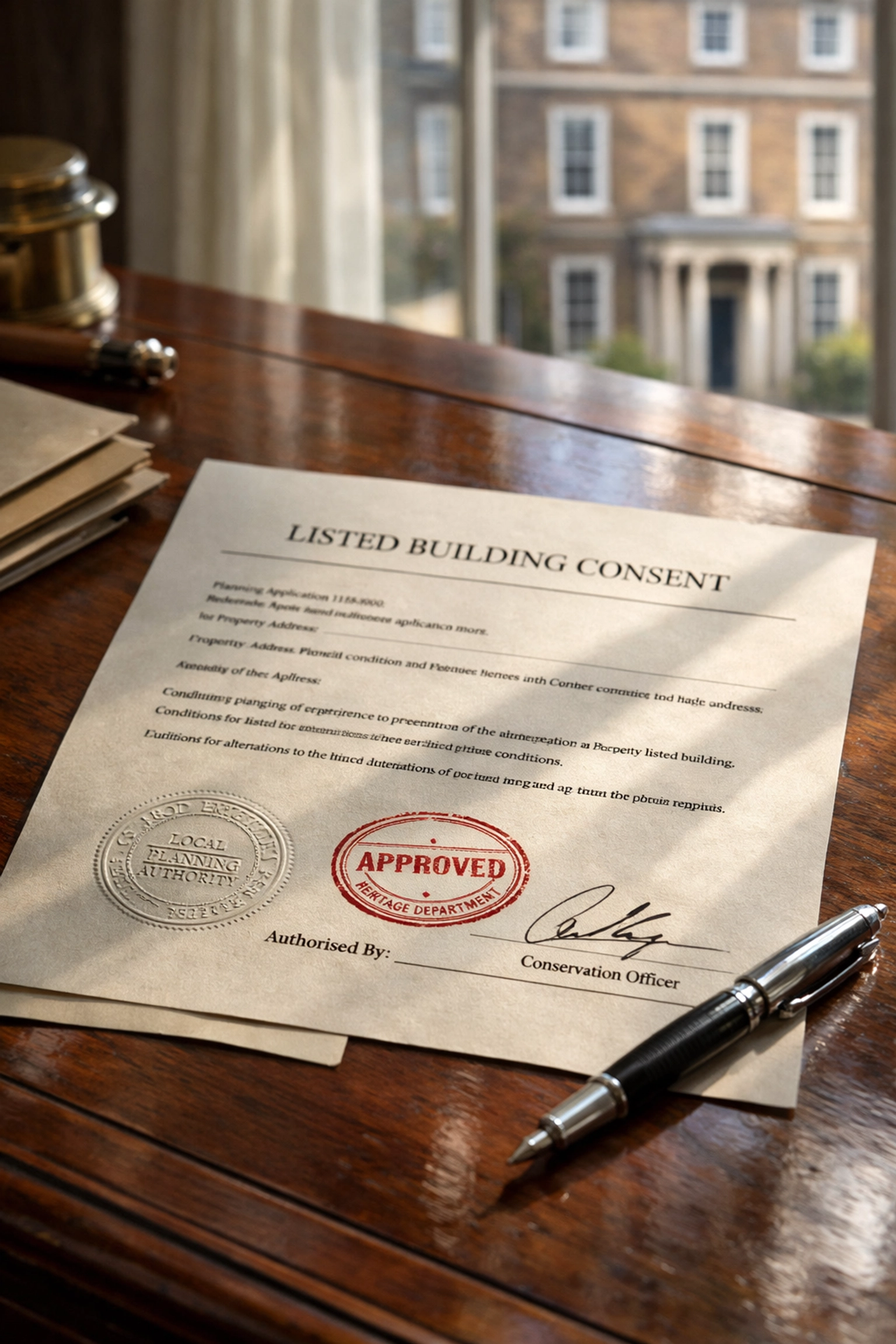
Listed building consent isn't reserved for major structural work. It's required for any alteration that affects the character or appearance of your property: and that threshold is remarkably low. Painting previously unpainted external brickwork requires consent. Changing the colour of your front door requires consent. Even repainting exterior woodwork in a different shade may require formal approval.
The legislation exists to protect buildings of special architectural or historic interest. In practice, this means Cheltenham Borough Council scrutinises even minor decorating decisions.
Carrying out works without consent is a criminal offence. The council has enforcement powers, and you may be required to reverse unauthorised changes at considerable expense.
2. "Like-for-Like" Doesn't Mean Consent-Free
Many property owners assume that replacing elements with identical materials bypasses the need for consent.
This is incorrect.
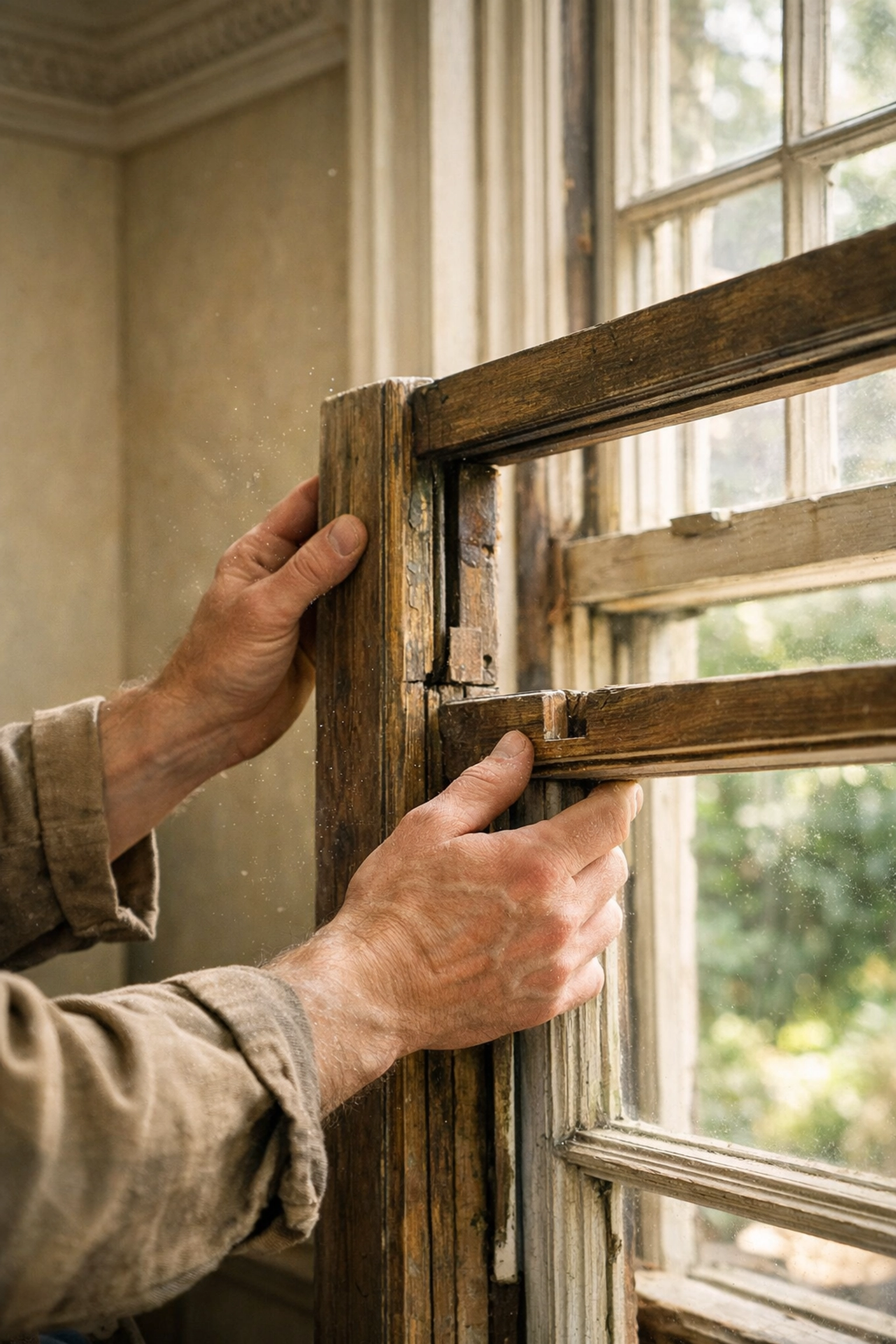
Replacing windows with exact replicas: same design, same materials, same finish: still requires listed building consent. The legislation protects not just the appearance but the fabric of the building itself. Even identical replacements involve removing original materials, which the authorities consider significant.
Like-for-like repairs may not require consent in some instances, but any change in materials, appearance, or colour likely will. The distinction is nuanced, and the safe approach is always to seek professional guidance before proceeding.
3. The Protection Extends Beyond the Building Itself
Listed status applies to the entire site as it existed in 1948 or when the building was constructed, whichever is later.
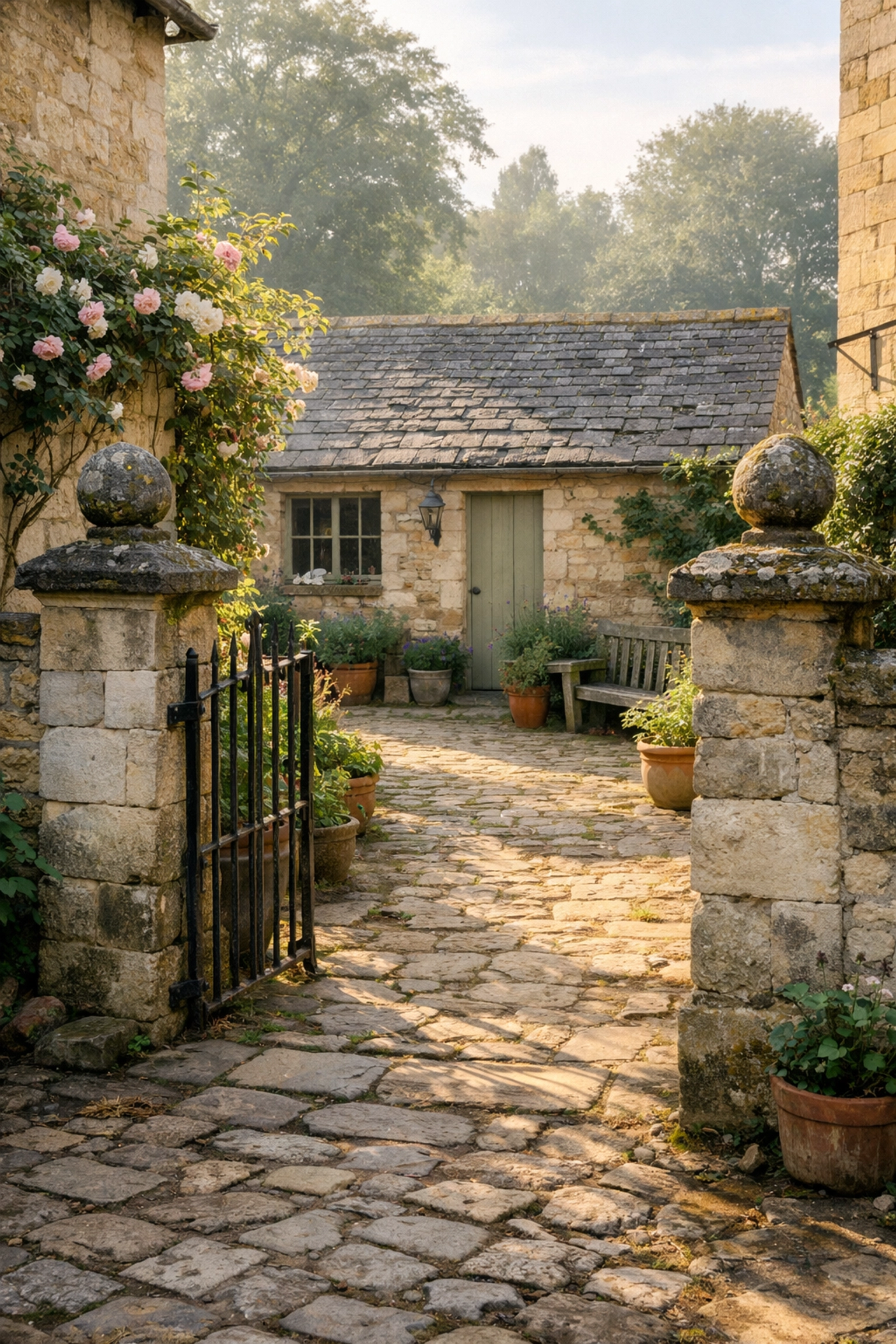
This means garden walls, gate posts, outbuildings, original railings, and even ornamental features fall under protection. Interior fixtures: fireplaces, panelling, decorative plasterwork, staircases: are similarly safeguarded.
Property owners often discover this when they attempt to remove a non-original garden shed, only to find it's positioned on the footprint of an original stable block. The historical significance extends underground to foundations and across the entire curtilage.
When planning any work, consider the property holistically. What appears to be a simple garden improvement may require listed building consent if it affects original features or the setting.
4. Modern Materials Are Typically Rejected
Conservation officers favour traditional materials that were available when the building was constructed.
Plastic windows, vinyl cladding, modern render systems, and synthetic slates are routinely rejected for listed buildings. The preference is for wood, stone, lime mortar, breathable paints, and natural slates or tiles.
This isn't aesthetic pedantry. Listed buildings were constructed with breathable materials that allow moisture to evaporate naturally. Sealing them with modern, impermeable products traps moisture, leading to damp, rot, and structural deterioration.
For interior decoration, this principle continues. Vinyl emulsions and plastic-based paints are discouraged. Limewash, distemper, and mineral paints are preferred because they allow walls to breathe whilst remaining sympathetic to the building's age.
5. You May Need Multiple Types of Approval
Listed building consent and planning permission are separate processes.
Installing external signage, for example, typically requires both. Adding solar panels requires listed building consent for the installation and planning permission for the external alteration. Even internal alterations may trigger building regulations approval if they involve structural changes or services.
Each application follows its own timeline, with its own fees and consultation requirements. Property owners should factor this complexity into project planning from the outset.
Cheltenham Borough Council manages listed building consent applications. For projects involving multiple approvals, coordinating submissions and understanding interdependencies becomes essential.
6. Paint Colours Matter More Than You Think
The external colour palette of listed buildings attracts particular scrutiny.
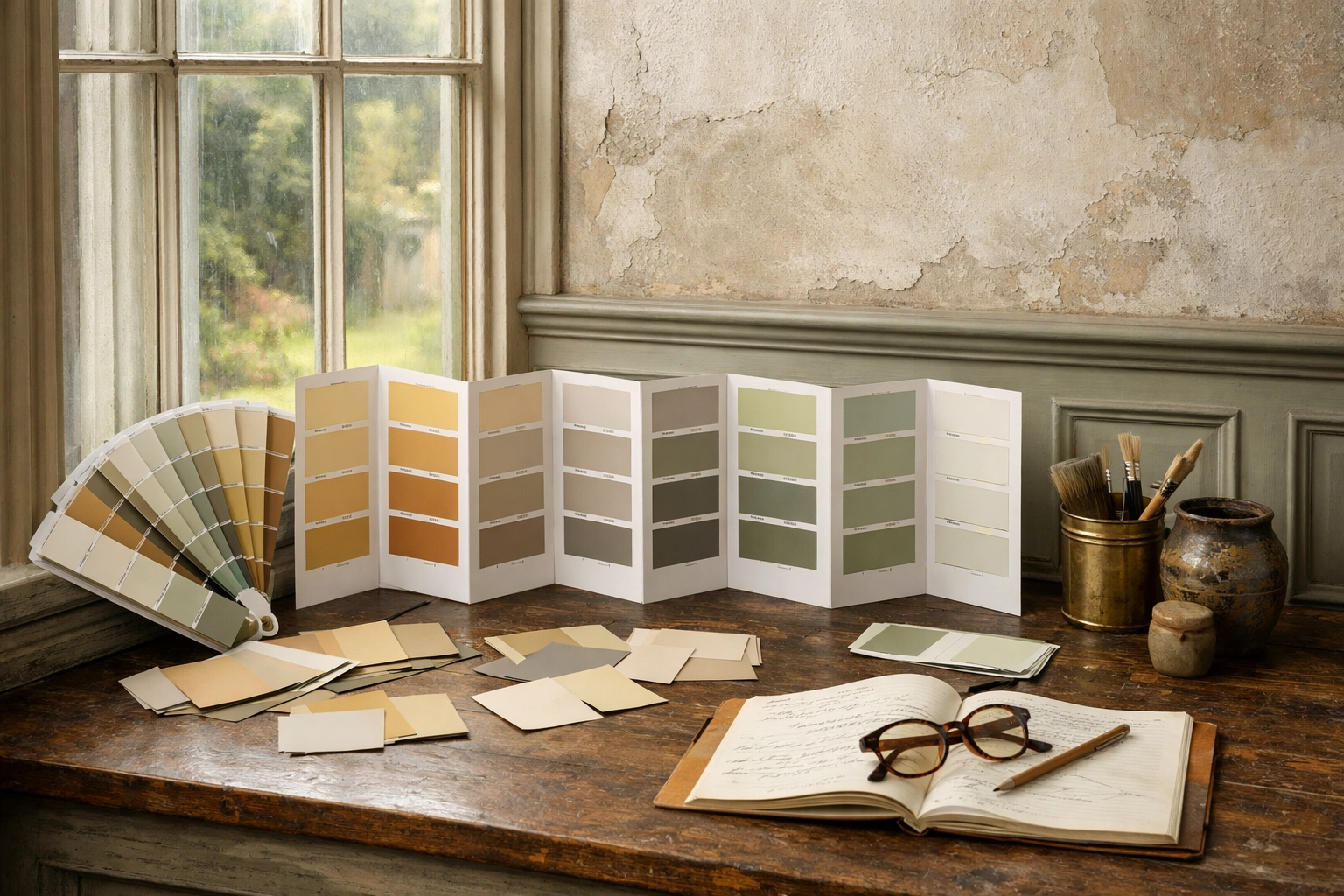
Conservation officers expect subtle, historically appropriate colours. Bold contemporary shades: vibrant blues, stark whites, saturated greens: are generally unacceptable. The preference leans towards muted earth tones, traditional stone colours, and heritage paint ranges that reference historical pigments.
Painting previously unpainted external surfaces represents a significant alteration. Painting brickwork, stone, or render that has remained natural for centuries fundamentally changes the building's character. Such applications face considerable opposition unless compelling conservation reasons exist.
For repainting, matching original colours is standard practice. When records don't exist, paint analysis can reveal historical colour schemes beneath current layers. Specialist decorators experienced in listed building work understand these requirements instinctively.
7. Interior Features Are Protected Too
Removing an interior wall without consent can be as serious as demolishing an exterior chimney.
Original staircases, decorative cornices, ceiling roses, panelling, fireplaces, and even floorboards may be protected elements. Altering or removing them without consent constitutes an offence.
Period property painting requires sensitivity to these features. Stripping original paint layers, for instance, may damage decorative plasterwork. Applying modern emulsions to lime plaster can cause delamination and moisture problems.
Professional painters and decorators specialising in listed building decorating understand how to work sympathetically with these elements. They recognise that preservation, not obliteration, is the objective.
8. Timeline Expectations Require Recalibration
Listed building consent applications take a minimum of eight weeks from validation.
Complex applications, or those requiring consultation with heritage bodies like Historic England, may take considerably longer. If objections are raised or additional information requested, timelines extend further.
Property owners accustomed to commencing work immediately after deciding on a colour scheme find this bureaucratic process frustrating. However, it's an unavoidable aspect of owning a listed building.
Successful projects begin with consent applications before engaging contractors. Attempting to compress timelines by commencing work prematurely risks prosecution and project delays if enforcement action follows.
9. The Cost Implications of Doing It Right
Specialist materials cost more than their modern equivalents.
Lime mortar, natural stone slates, hand-made clay tiles, breathable paints, and traditional joinery all command premium prices. Skilled craftspeople with heritage experience charge appropriately for their expertise.
However, these costs represent long-term value. Traditional materials are often more durable than modern alternatives. Breathable systems prevent moisture problems that would require expensive remediation. Quality craftsmanship reduces maintenance cycles.
False economies emerge when property owners choose inappropriate materials or inexperienced contractors. Rectifying mistakes: particularly after enforcement action: proves far more expensive than specifying correctly initially.
Budget realistically for heritage work. Cutting corners on a listed building invariably proves counterproductive.
10. Finding Specialist Contractors Matters Enormously
General builders and decorators, however competent in modern construction, often lack the specific knowledge required for listed buildings.
Listed building decorating demands understanding of traditional materials, historical techniques, and conservation principles. It requires familiarity with lime plasters, mineral paints, and breathable coating systems. It needs sensitivity to original features and awareness of what consent covers.
Specialists in period property painting bring this knowledge to projects. They understand which products are acceptable, how to prepare historic surfaces correctly, and how to liaise with conservation officers when queries arise.
For property owners in Cheltenham and the Cotswolds, selecting contractors with demonstrable heritage experience protects both the project and the property. References from other listed building projects, memberships in relevant trade associations, and knowledge of local conservation policies all indicate suitable expertise.
Moving Forward with Confidence
Listed building decorating need not be daunting.
Understanding the requirements, planning appropriately, and engaging qualified professionals transforms potentially complex projects into satisfying experiences. Your listed property represents architectural heritage worth preserving, and the regulatory framework exists to protect that significance.
For Cheltenham property owners embarking on decorating projects, early consultation with both the conservation officer and specialist contractors clarifies requirements and establishes realistic expectations. This preparatory work, whilst requiring patience, ultimately delivers superior outcomes that respect both your property's heritage and your objectives as its custodian.
The investment in doing listed building work correctly: in time, materials, and expertise: preserves not just your property but Cheltenham's architectural character for future generations.


Comments