Limewash Walls 101: A Beginners Guide to Breathable Finishes for Period Homes
- Lewis Mitten
- Jan 26
- 5 min read
Updated: Jan 31
If you own a period property in Cheltenham or the Cotswolds, you've likely encountered the damp question. That persistent moisture issue that seems to defy modern solutions. The culprit, more often than not, is the very paint that was meant to protect your walls.
Modern synthetic paints seal surfaces. They create a film. And for historic buildings constructed with traditional materials, this well-intentioned approach causes more harm than good.
Limewash offers a different path. One that works with your building rather than against it.
What Exactly Is Limewash?
Limewash is a finish made from slaked lime: limestone that has been kiln-burned and combined with water. Natural pigments provide colour. That's it. No synthetic additives, no volatile organic compounds, no chemical stabilisers.
Unlike conventional paint, limewash doesn't sit on the surface. It penetrates the substrate, bonding chemically with the underlying material. The result is a finish that becomes part of the wall itself.
This distinction matters enormously for period property painting.
The Breathability Question
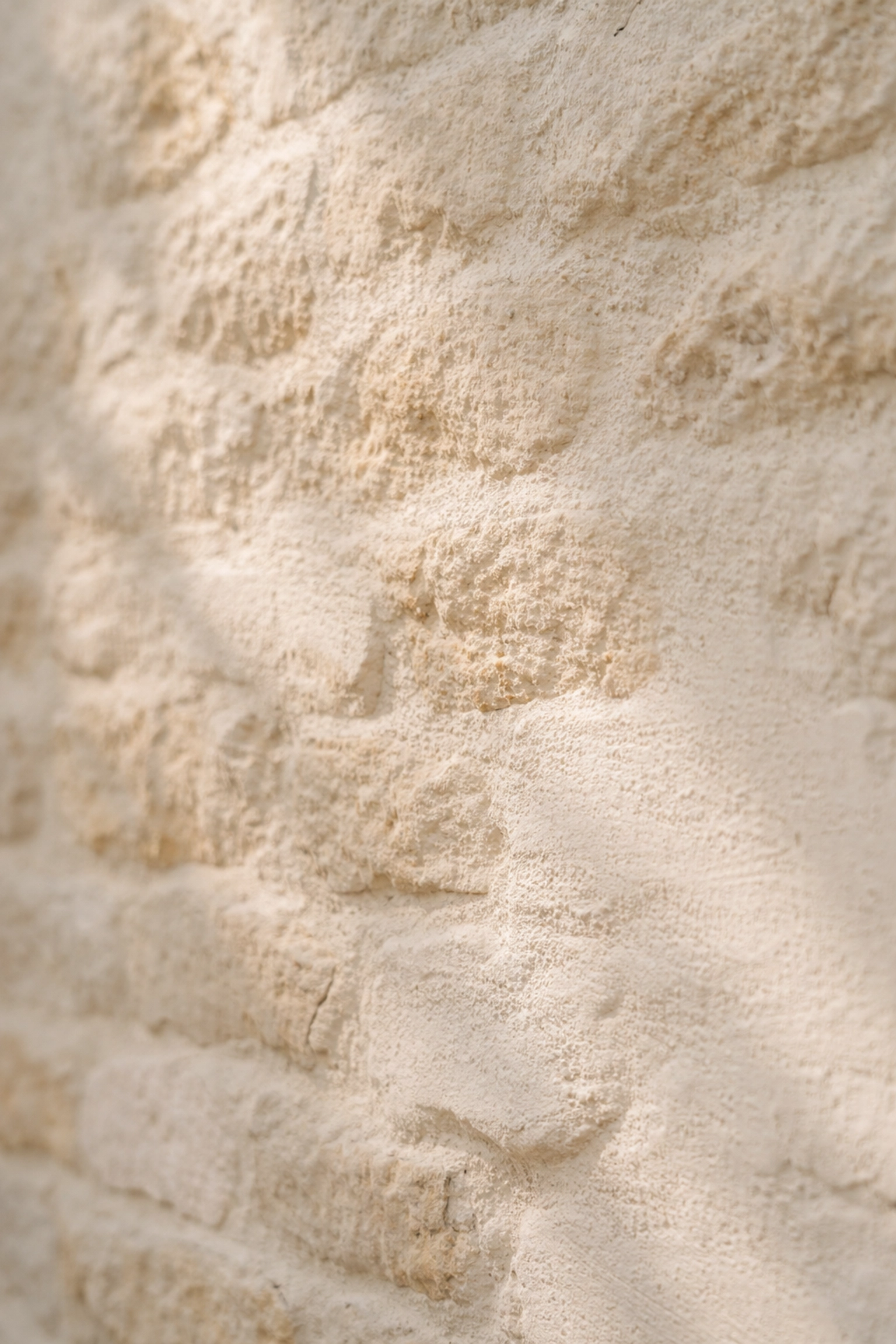
Historic buildings were designed to breathe. Georgian townhouses, Regency villas, Cotswold stone cottages: all were constructed with porous materials that allow moisture to pass through naturally. Lime mortars, natural stone, traditional plasters. Each component permits the gentle exchange of water vapour between interior and exterior.
Modern paints disrupt this balance.
When you apply acrylic or vinyl-based coatings to these surfaces, you create a sealed layer. Moisture becomes trapped within the wall structure. Over time, this leads to a cascade of problems: damp patches, black mould, deteriorating plasterwork, and in severe cases, rotting structural timbers.
We see this frequently in our work as painters and decorators in Cheltenham. Well-meaning homeowners apply modern masonry paint to external walls, only to find the interior damp situation worsens. The building is suffocating.
Limewash walls allow moisture to escape. Water vapour passes through the finish freely, maintaining the natural equilibrium your period home requires. It's not a compromise or a workaround. It's the appropriate solution for the building you own.
Beyond Breathability: The Practical Benefits
Breathable finishes are essential for structural reasons. But limewash offers advantages that extend well beyond moisture management.
Natural Antimicrobial Properties
The high alkalinity of limewash creates an inhospitable environment for bacteria, mould, and mildew. This natural resistance proves particularly valuable in Gloucestershire's damp climate. Bathrooms, kitchens, north-facing rooms: areas prone to condensation benefit significantly from this property.
The alkalinity also deters wood-boring insects. A useful consideration for properties with exposed timbers.
Non-Toxic Composition
Limewash contains no volatile organic compounds. None. This means no unpleasant odours during application, no off-gassing afterwards, no impact on indoor air quality. For families with young children, those with respiratory sensitivities, or anyone who prefers to avoid unnecessary chemical exposure, this matters.
Durability Without Peeling
Conventional paint forms a film that inevitably fails. It cracks, flakes, and peels as the substrate beneath expands and contracts with temperature and humidity changes. Maintenance becomes a recurring expense.
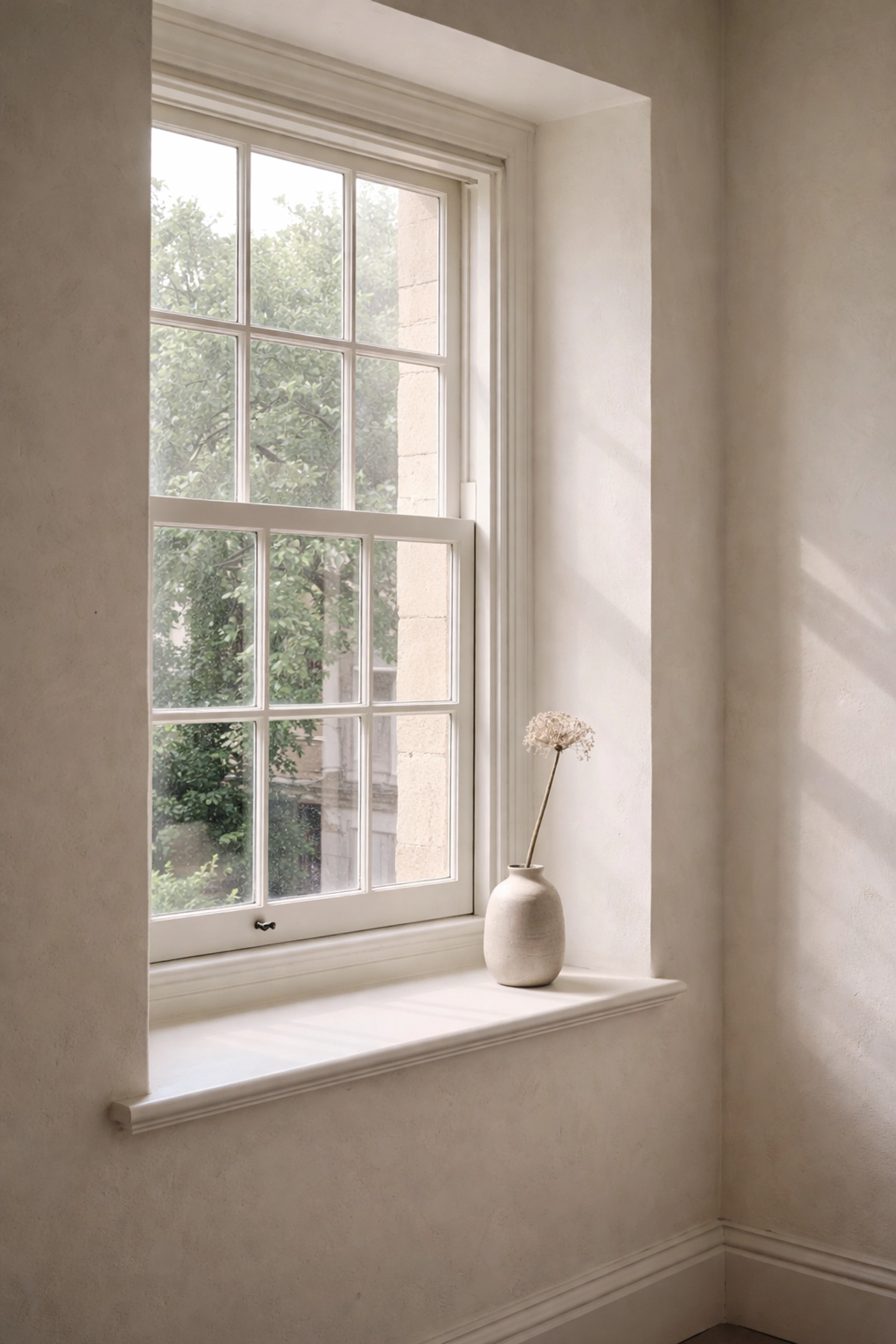
Limewash behaves differently. Because it bonds chemically with the underlying surface, it cannot peel. It weathers gradually, developing a gentle patina over time. Some would say it improves with age. Maintenance requirements are minimal: a considerable advantage for listed buildings where frequent redecoration can become burdensome.
Weather Resistance
A well-applied limewash finish withstands harsh weather conditions admirably. Heavy rain, frost, summer heat: limewash remains stable where lesser finishes would deteriorate. Rainwater runs down the surface rather than soaking in, yet the underlying wall retains its ability to breathe.
The Aesthetic Dimension
Function aside, there's a reason limewash has experienced a resurgence among discerning homeowners. The finish possesses a quality that synthetic alternatives simply cannot replicate.
Limewash creates depth. Light interacts with the surface in subtle, ever-changing ways throughout the day. The soft, matte texture produces gentle variations in tone: a living quality that flat modern paint lacks entirely.
For period homes, this authenticity matters. A Georgian façade finished in limewash looks correct. The finish responds to the architecture, enhancing original features rather than obscuring them beneath a uniform, plastic-like coating.
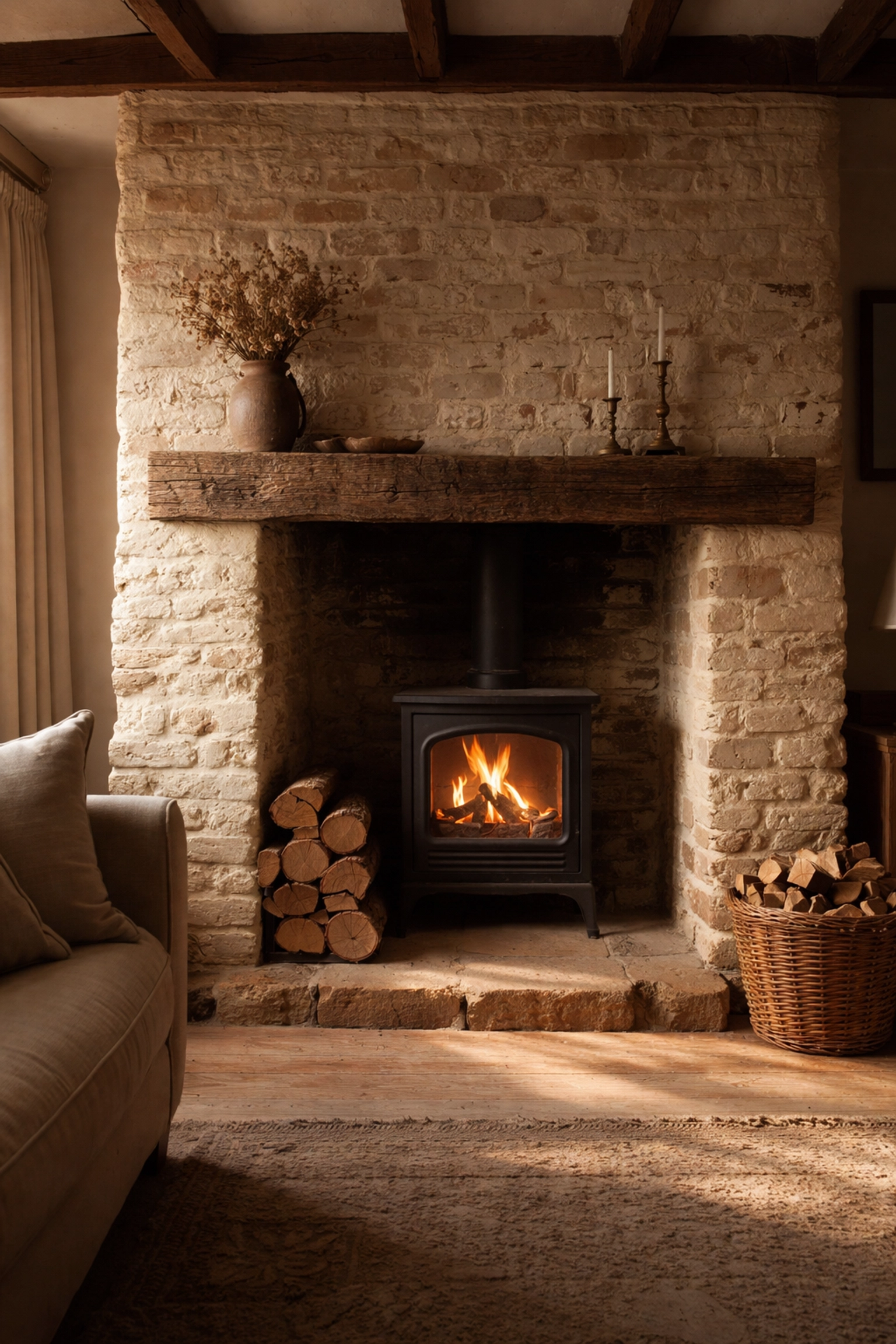
The colour palette, too, suits heritage properties. Traditional limewash pigments: ochres, umbers, soft whites, subtle greens: complement the stone and brick prevalent throughout Cheltenham and the Cotswolds. These aren't arbitrary choices. They're colours that have adorned buildings in this region for centuries.
Application: Where Expertise Matters
Limewash can be applied to brick, natural stone, terracotta, lime-based plasters, and unsealed concrete. It's compatible with the materials found in most period properties throughout Gloucestershire.
However, successful application requires understanding.
Surface Preparation
The substrate must be prepared correctly. Previous synthetic coatings need removal: limewash cannot bond through acrylic or vinyl barriers. Damaged plaster requires repair with compatible lime-based materials. The surface must be dampened appropriately before application.
This preparation work is painstaking. It's also non-negotiable.
Application Technique
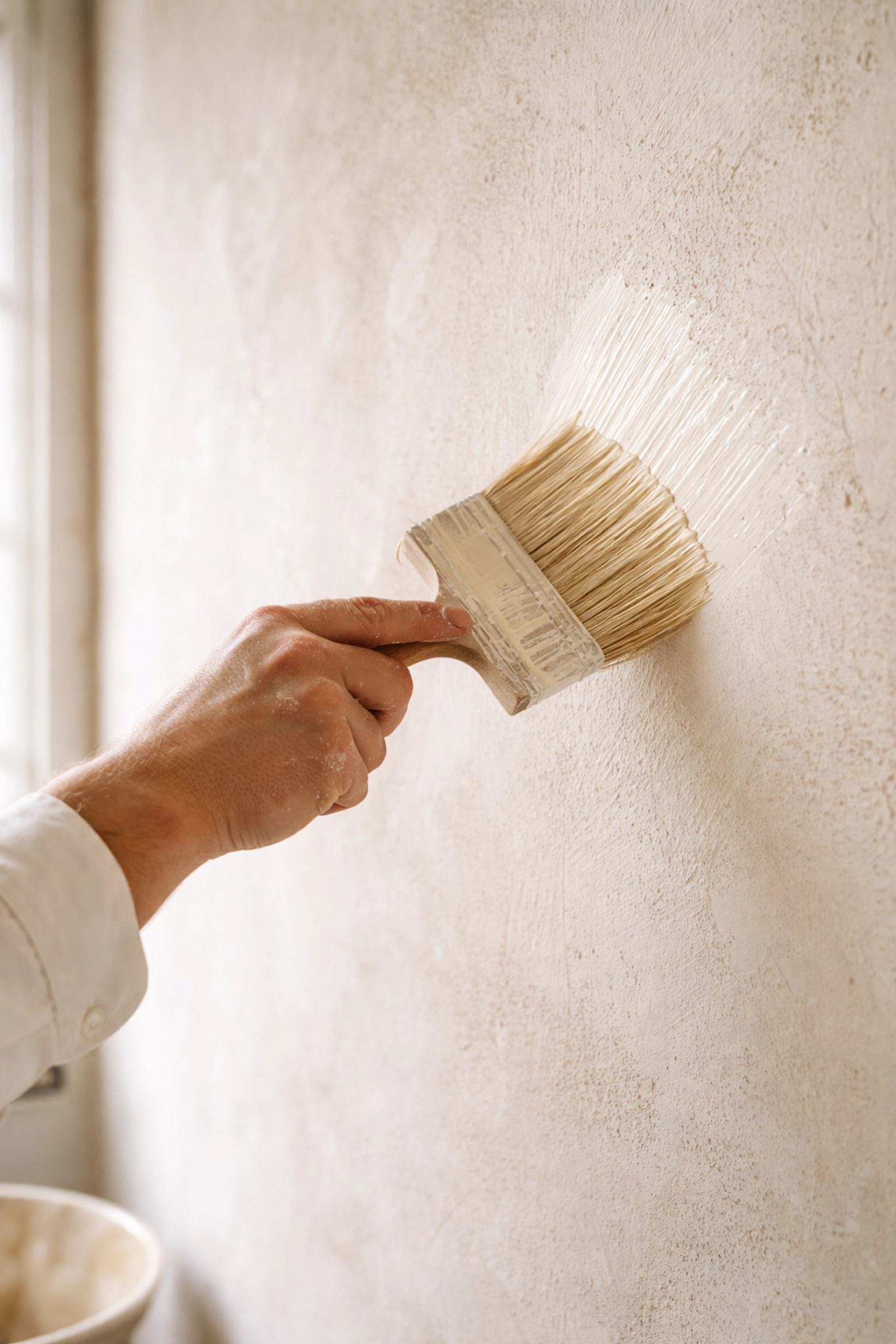
Limewash is applied in multiple thin coats rather than single heavy applications. Each coat must cure properly before the next is applied. The technique differs substantially from conventional painting, requiring specific tools and methods developed over centuries.
Weather conditions matter. Temperature and humidity affect curing. Timing the work appropriately ensures optimal results.
Material Selection
Not all limewash products are equal. Some modern formulations include acrylic additives that compromise breathability: rather defeating the purpose. Selecting genuine, traditional limewash from reputable suppliers ensures the finish performs as intended.
Our Approach to Breathable Finishes
At Cheltenham Heritage Finishes, we specialise in traditional materials and methods. Limewash, distemper, breathable mineral paints: these aren't occasional services for us. They're central to our work.
We understand the specific requirements of listed buildings and period properties. We source materials carefully, favouring low-VOC and sustainable options wherever possible. Our preparation is meticulous because proper preparation determines long-term success.
Most importantly, we appreciate why these finishes matter. A period home deserves sympathetic treatment. Quick fixes and modern shortcuts cause problems that manifest years later. Doing the job correctly from the outset protects both the building and its owner.
Is Limewash Right for Your Property?
If you own a period home in Cheltenham or the surrounding Cotswolds, limewash deserves serious consideration. Particularly if you've experienced persistent damp issues, noticed previous paintwork failing prematurely, or simply wish to restore your property using historically appropriate materials.
The finish suits both interior and exterior applications. External walls, interior feature walls, fireplaces, exposed brick: all respond beautifully to limewash treatment.
It's not suitable for every surface. Modern gypsum plasters, sealed concrete, and previously painted surfaces require assessment. Some situations call for alternative breathable finishes. A proper survey determines the appropriate approach.
Moving Forward
Limewash represents a return to proven methods. Not nostalgia for its own sake, but practical recognition that traditional materials often outperform modern alternatives: particularly in traditional buildings.
For period property owners navigating the complexities of appropriate decoration, understanding breathable finishes is essential. The building you care for was constructed with specific expectations. Meeting those expectations protects your investment and preserves architectural heritage for future generations.
Should you wish to discuss limewash or other breathable finishes for your property, we're available by appointment. We'd be pleased to assess your requirements and advise on the most sympathetic approach for your home.

Comments