Period Property Painting: 15 Heritage Finishes to Transform Your Cotswolds Home
- Lewis Mitten
- Feb 14
- 4 min read
Restoring a period property requires more than aesthetic sensibility. It demands an understanding of traditional materials, breathable systems, and finishes that honour architectural heritage whilst delivering lasting performance.
The Cotswolds presents unique challenges. Honey-coloured stone, lime-based mortars, and centuries-old timberwork demand sympathetic treatment. Modern paints and synthetic coatings often trap moisture, accelerating decay. Heritage finishes offer a solution: breathable, authentic, and entirely appropriate for listed buildings and conservation areas.
This guide presents fifteen traditional finishes that transform period properties whilst preserving their structural integrity.
Breathable Wall Finishes
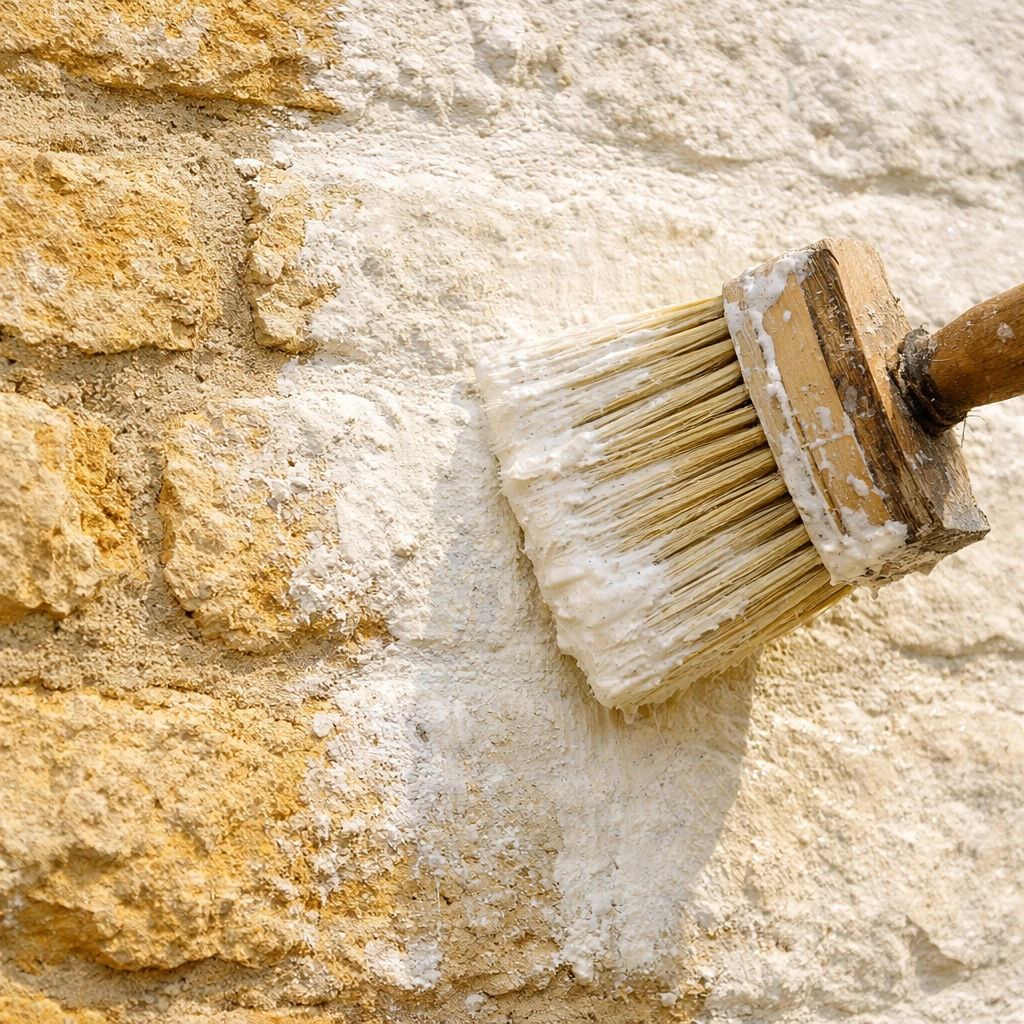
1. Limewash
The foundation of period property decoration. Limewash creates a soft, chalky finish that allows walls to breathe naturally. It works in harmony with lime plaster and stone, preventing moisture entrapment that leads to damp issues.
Applied in thin layers, limewash develops character over time. The finish mellows and weathers, acquiring the patina expected in historic properties. Particularly suitable for external stonework and internal lime plaster surfaces.
2. Soft Distemper
Traditional ceiling paint made from chalk, water, and animal glue. Soft distemper creates a flat, non-reflective finish ideal for historic ceilings. It remains workable even after drying: essential for properties that experience seasonal movement.
The finish must be reapplied every five to ten years. This maintenance cycle suits conservation projects where regular inspection and care form part of proper stewardship.
3. Clay Paint
Modern interpretation of ancient earth pigments. Clay paint offers exceptional breathability whilst providing excellent coverage. The mineral composition creates depth and texture impossible to achieve with synthetic alternatives.
Available in subtle, muted tones that complement period architecture. Particularly effective in bedrooms and reception rooms where a sophisticated, calming atmosphere matters.
4. Casein Paint
Milk-based formula prized for its durability and dead-flat finish. Casein paint adheres beautifully to lime plaster and provides remarkable coverage. Once cured, it becomes water-resistant whilst maintaining breathability.
Georgian and Victorian interiors often featured casein finishes. The paint dries hard, creating a robust surface suitable for high-traffic areas.
Decorative Plaster Finishes
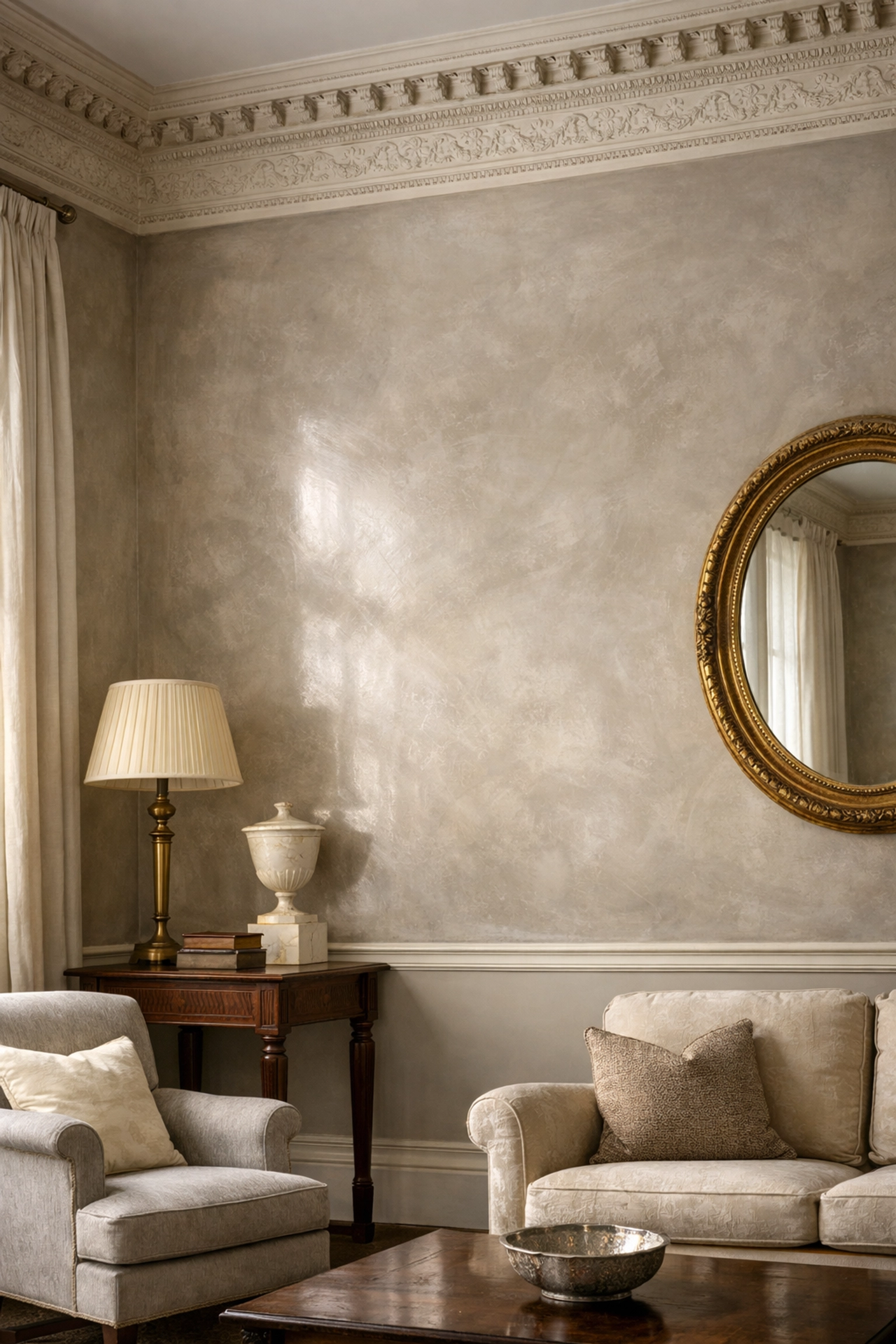
5. Venetian Plaster
Polished lime plaster technique that creates lustrous, marble-like surfaces. Multiple thin layers build depth and luminosity. The final burnishing process produces a subtle sheen that catches natural light beautifully.
Venetian plaster suits formal reception rooms, entrance halls, and drawing rooms. The finish elevates architectural features whilst remaining entirely sympathetic to period character.
6. Polished Plaster
Contemporary term encompassing various burnished lime techniques. Polished plaster provides durability alongside aesthetic appeal. The finish resists moisture better than painted surfaces whilst maintaining breathability.
Ideal for bathrooms, kitchens, and areas requiring robust wall finishes. Available in numerous textures and sheens, from subtle matt to high gloss.
7. Marmorino
Traditional Venetian technique using crushed marble and slaked lime. Creates highly polished surfaces with exceptional depth. The marble content provides durability and a distinctive crystalline quality when burnished.
Particularly appropriate for principal rooms in Georgian and Regency properties. The finish reflects the grandeur expected in period architecture.
8. Tadelakt
Moroccan waterproof plaster finish traditionally used in bathrooms and wet areas. Lime-based with natural soap application creates a water-resistant, seamless surface. The technique suits period properties requiring modern functionality without aesthetic compromise.
Offers genuine alternative to tiles in heritage bathrooms. The smooth, slightly undulating surface complements stone and timber beautifully.
9. Scagliola
Decorative plaster technique imitating marble and semi-precious stone. Involves painstakingly applying coloured plaster layers, then polishing to reveal patterns and veining. Labour-intensive process requiring specialist expertise.
Found in high-status Georgian and Victorian properties. Restoration or replication demands experienced craftsmen familiar with historical techniques.
Traditional Paint Finishes
[IMAGE_FORE]
10. Lead-Based Paints
Authentic Georgian properties often featured lead-based paints for joinery and metalwork. Whilst modern regulations restrict use, specialist painters can apply appropriate alternatives that replicate the distinctive flow and finish of original formulations.
Modern lead-free alternatives now achieve similar aesthetic results. Essential for conservation projects requiring absolute authenticity.
11. Traditional Oil Paint
Linseed oil-based formulations that cure rather than dry. Traditional oil paints provide exceptional durability and a characterful finish impossible to replicate with modern acrylics. The slower drying time allows proper brushwork and a hand-applied appearance.
Appropriate for external joinery, doors, and architectural woodwork. Regular maintenance extends lifespan considerably.
12. Eggshell Finish
Mid-sheen option between matt and gloss. Eggshell provides durability whilst maintaining understated elegance. Particularly suitable for joinery, skirting boards, and panelling in reception rooms.
The slight sheen catches light without appearing glossy or modern. Works beautifully in both Georgian and Victorian contexts.
Specialist Wood Finishes
13. French Polish
Shellac-based finish applied in numerous thin layers. Creates warm, glowing depth on fine timber. Requires considerable skill to apply properly: the surface must be built gradually through repeated application and polishing.
Ideal for Georgian mahogany, Victorian walnut, and other fine hardwoods. Regular maintenance preserves the lustrous finish indefinitely.
14. Traditional Wood Stains
Earth pigment-based stains that enhance grain without obscuring timber character. Unlike modern synthetic stains, traditional formulations allow wood to breathe and age naturally. The colours mellow over time, developing authentic patina.
Appropriate for staircases, panelling, and structural timbers throughout period properties.
15. Wax Finishes
Beeswax-based preparations that nourish and protect timber. Applied over stain or bare wood, wax creates subtle sheen whilst allowing regular maintenance. The finish requires periodic renewal but rewards proper care with exceptional longevity.
Particularly suitable for furniture-grade joinery and decorative woodwork features.
Choosing Appropriate Finishes
Selection depends on numerous factors. Building age, existing substrates, moisture levels, and conservation requirements all influence appropriate choices.
Listed building consent may be required for certain works. Consultation with conservation officers ensures compliance whilst achieving desired outcomes.
Modern alternatives exist for most traditional finishes. Clay paints replicate distemper characteristics. Breathable mineral paints offer limewash aesthetics with enhanced durability. The key lies in maintaining vapour permeability whilst achieving appropriate appearance.
Professional Application Matters
Heritage finishes demand specialist knowledge. Surface preparation, material compatibility, and application techniques differ substantially from modern decorating practices.
Selecting experienced painters and decorators familiar with period properties ensures successful outcomes. Expertise in traditional materials protects both architectural integrity and financial investment.
Maintaining Heritage Finishes
Traditional finishes require different maintenance approaches. Limewash may need periodic recoating. Distemper accepts touching-up without visible repairs. French polish benefits from regular waxing.
Understanding maintenance requirements before specification prevents future disappointment. Many traditional finishes actually simplify long-term care when properly applied and maintained.
The Cotswolds architectural heritage deserves sympathetic treatment. These fifteen finishes offer authentic, practical solutions that honour historic building fabric whilst meeting contemporary expectations for performance and appearance.
Proper specification transforms period properties; preserving character whilst ensuring longevity. The investment in appropriate materials and skilled application pays dividends through decades of enduring beauty.

Comments