The Period Property Owners Guide to Choosing Painters and Decorators in the Cotswolds
- Lewis Mitten
- Jan 31
- 5 min read
Choosing the right decorator for a period property isn't quite the same as hiring someone for a modern build.
Your Georgian townhouse, Victorian villa, or Cotswold stone cottage requires a different approach entirely. The wrong methods can trap moisture, damage original features, or simply look out of place.
This guide walks you through exactly what to look for when selecting painters and decorators in the Cotswolds who understand heritage work.
Why Heritage Expertise Actually Matters
Period properties breathe differently than modern homes.
Traditional construction relies on lime mortars, porous stone, and breathable plasters that allow moisture to move through walls naturally. Apply modern, impermeable paints and you trap that moisture inside. The result? Damp patches, peeling paint, and potential structural damage.
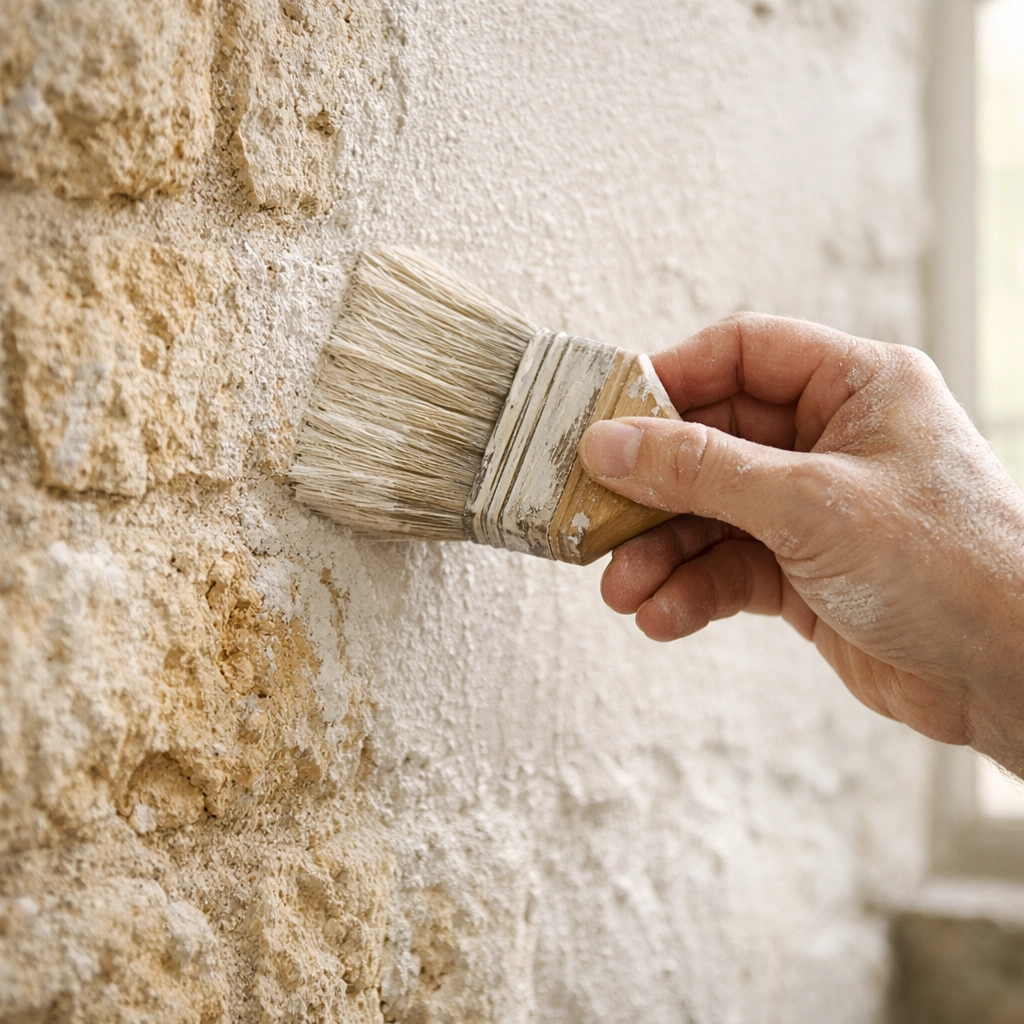
A decorator experienced with listed buildings and period properties understands this fundamental difference. They know which materials allow your walls to function as they were designed to, and which will cause problems months or years down the line.
Look for contractors who can discuss lime-based products, breathable paints, and traditional application methods without needing to Google the terms first.
Questions That Reveal True Experience
The initial conversation tells you everything.
Ask about their experience with Grade I or Grade II listed buildings specifically. How many have they worked on? Can they provide references from conservation officers or heritage consultants?
Request examples of limewash applications, traditional plaster repairs, or work on buildings similar to yours. Genuine specialists will have portfolios focused on period properties, not generic modern interiors with one or two old buildings included.
Enquire about their approach to breathability and moisture management. A proper answer should mention lime products, mineral paints, or specific breathable coating systems: not just "we use quality paint."
Traditional Methods in Practice
The techniques matter as much as the materials.
Traditional limewash requires multiple thin coats, each applied at the right moisture level. Proper lime plaster work involves careful preparation, appropriate suction management, and correct curing times. Polished plaster demands specific trowel techniques developed over years, not weeks.
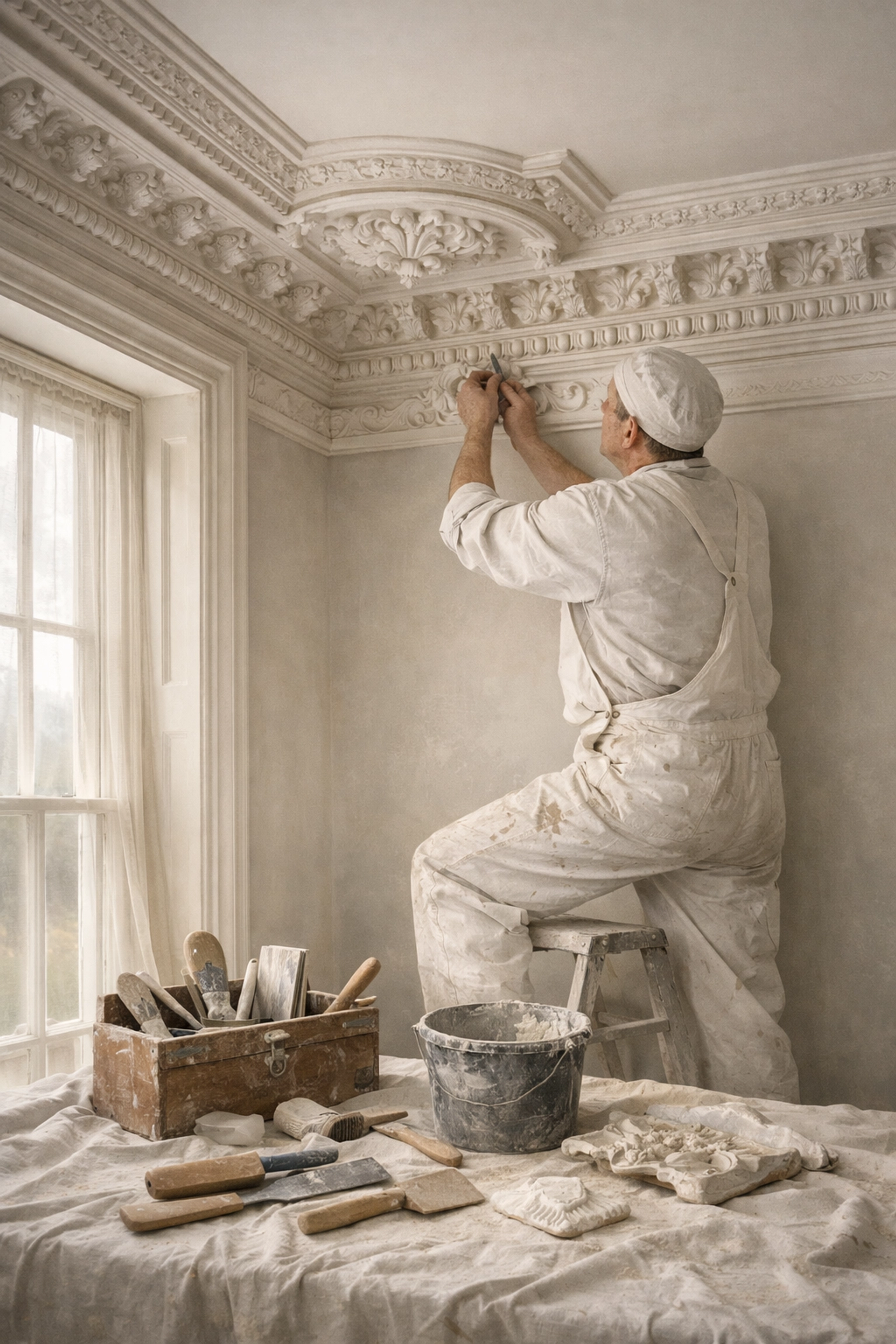
Decorators who genuinely understand period property work will explain their process in detail. They'll discuss preparation methods, material choices, and timing considerations specific to your building type.
Be wary of anyone who suggests modern shortcuts or dismisses traditional approaches as old-fashioned. These methods have endured for centuries because they work with, rather than against, how these buildings function.
Understanding Listed Building Requirements
Listed building consent adds another layer of complexity.
Not every decoration project requires formal consent, but significant changes often do. Your decorator should understand which works need approval and help navigate the process if necessary.
Conservation officers want to see appropriate materials and methods that respect the building's character. A decorator experienced in this area will know what's likely to be approved and can present proposals that satisfy conservation requirements while meeting your aesthetic goals.
They should also understand the difference between reversible and irreversible interventions: a key consideration in heritage work.
Material Knowledge: Beyond the Paint Tin
The right materials make or break period property decoration.
Traditional lime-based products differ fundamentally from modern alternatives. Lime putty, hot lime, hydraulic lime: each has specific applications and characteristics. Your decorator should know which suits your particular building and why.
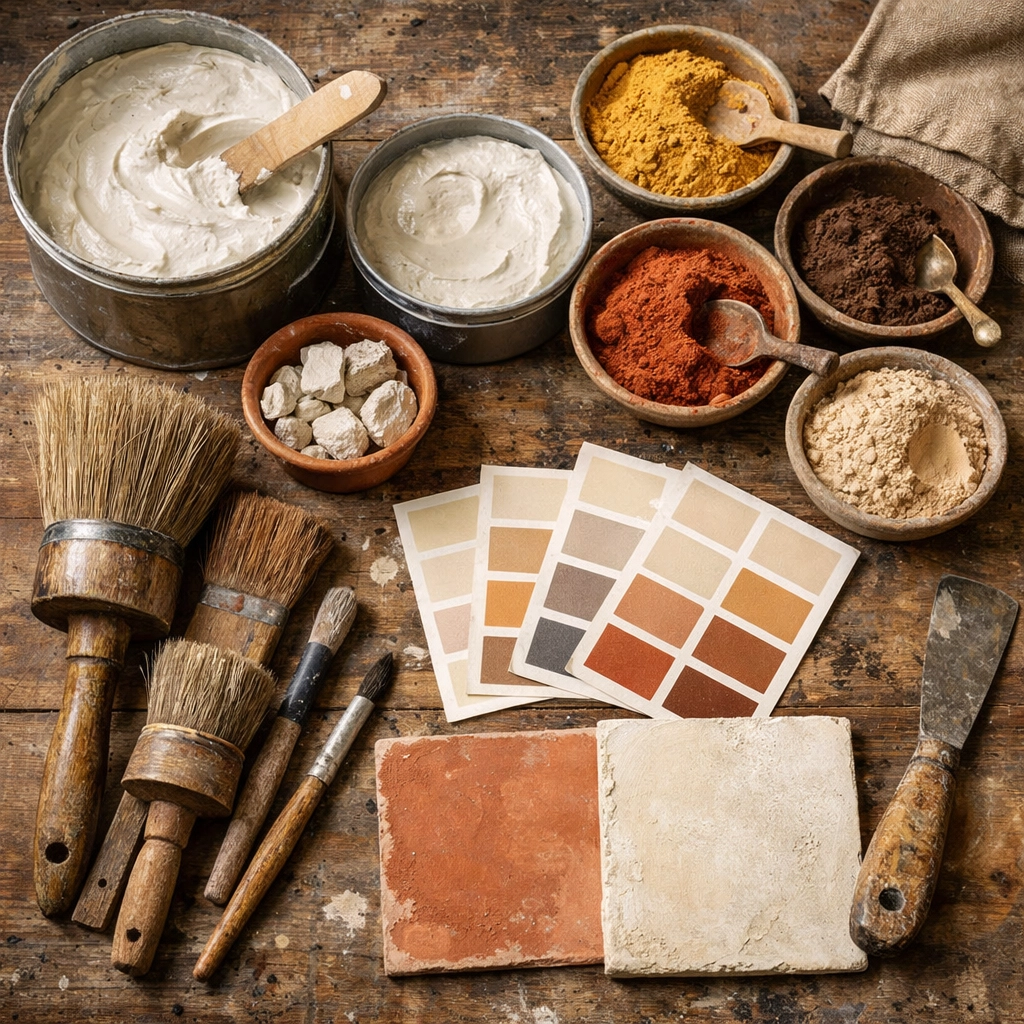
Natural pigments, mineral paints, and specialist plasters all have their place. So do certain modern products specifically designed for heritage buildings. The key is knowing when to use which, based on substrate, exposure, and building behaviour.
Ask potential decorators about their material suppliers. Specialists typically source from heritage-focused suppliers rather than standard trade counters.
Cotswold Stone: A Unique Consideration
Local stone brings specific challenges.
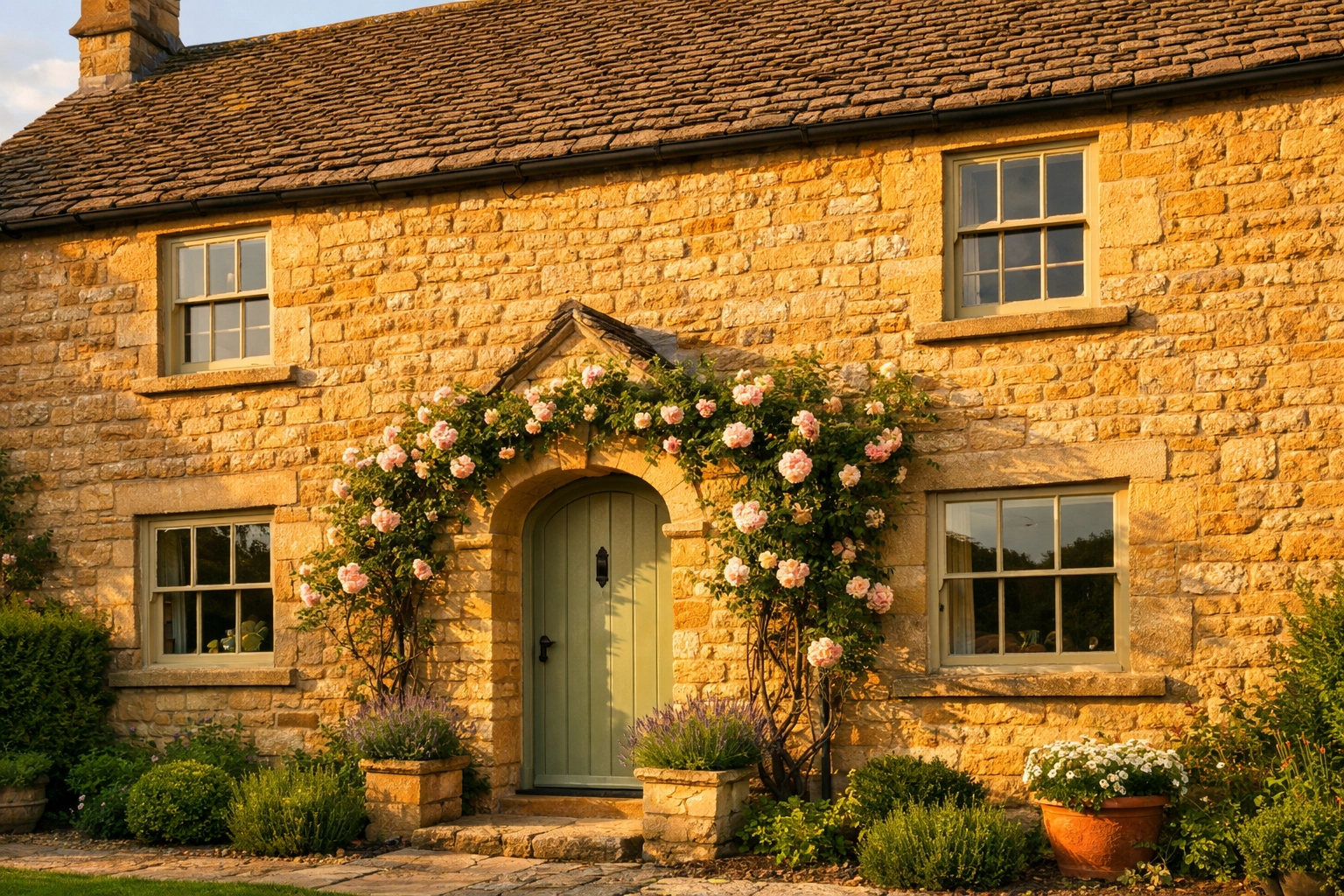
Cotswold limestone is beautiful but porous. It requires particular understanding of how different finishes interact with the stone's natural characteristics. The wrong paint system can seal the surface, trapping moisture and leading to stone decay.
Decorators familiar with Cotswold properties understand these regional specifics. They know which primers work with local stone, how to handle the honey-coloured surfaces, and what products suit the area's particular climate and building stock.
This localized knowledge isn't something you'll find with every contractor: it comes from sustained work within the region.
Service Model and Communication
The working relationship matters as much as technical skill.
Period property work often uncovers unexpected issues. Original features hidden beneath later additions. Plaster that's more damaged than initially visible. Details that require careful consideration before proceeding.
You need a decorator who communicates clearly when these situations arise, discusses options thoughtfully, and works collaboratively rather than simply following a predetermined plan.
Smaller, family-run teams often provide more consistent communication. You'll speak with the same people throughout, building a relationship where they understand your property's specific quirks and your priorities.
Red Flags to Watch For
Certain responses should give you pause.
Anyone unwilling to discuss materials in detail or dismissive of breathability concerns likely lacks the necessary understanding. Quotes that seem remarkably cheap compared to others may indicate corners being cut on materials or preparation.
Pressure to make quick decisions, reluctance to provide references from similar projects, or inability to explain their approach to traditional methods all suggest potential issues.
Trust your instincts. Period property work requires patience, knowledge, and respect for the building. If those qualities aren't evident in initial conversations, they're unlikely to appear during the project.
Making Your Decision
Start with free quotes from multiple specialists.
Compare not just price but the depth of understanding demonstrated. Do they ask questions about your building's construction and history? Do they suggest visiting to assess properly before quoting?
Request examples of comparable work and speak to previous clients if possible. Ask specifically about communication, unexpected issues, and final results.
The right decorator for your period property combines technical expertise, appropriate materials knowledge, and a service approach that respects both the building and your requirements.
Finding Specialists in Cheltenham and the Cotswolds
The region offers several decorators experienced with heritage work.
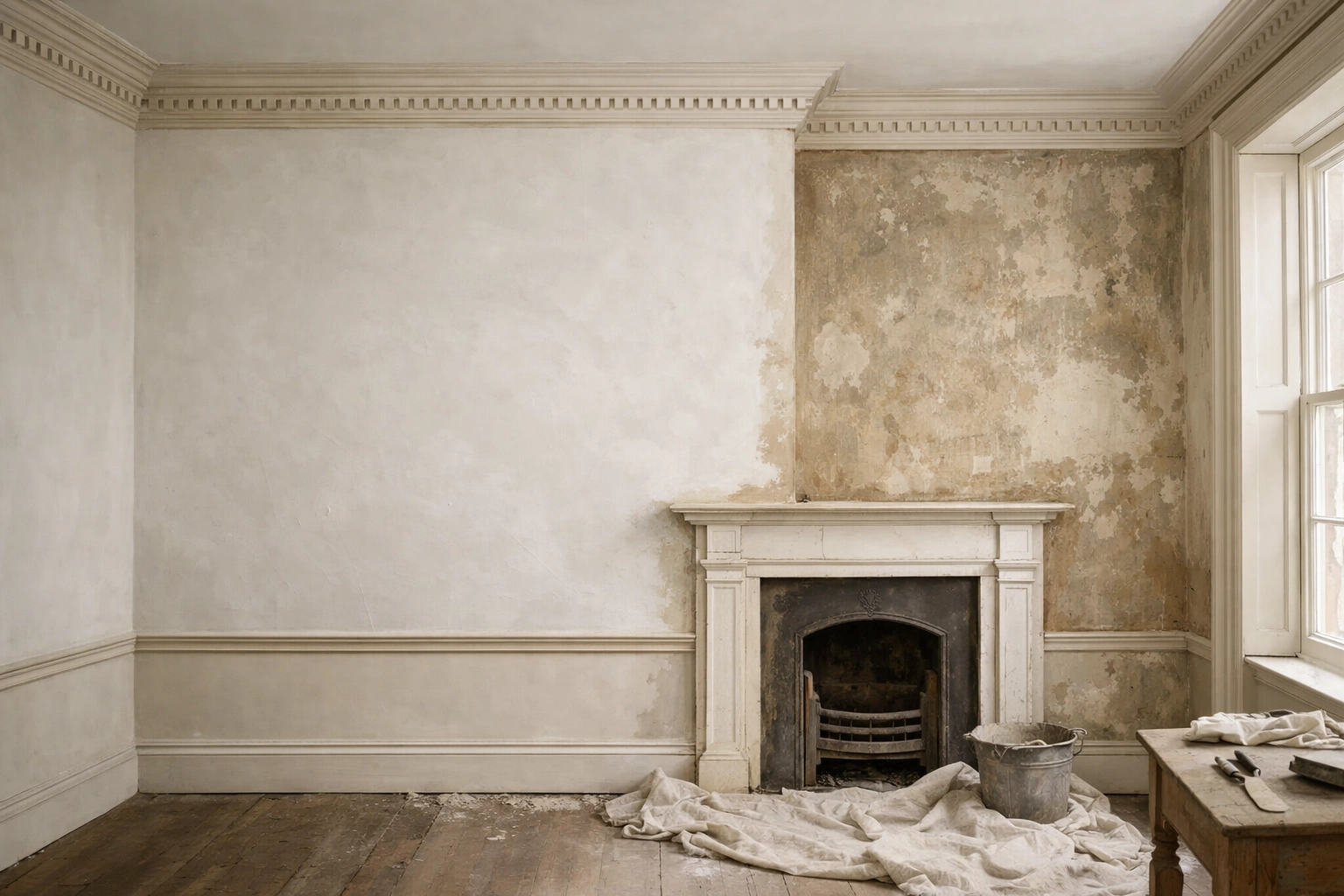
Look for contractors who explicitly list period property work, listed buildings, and traditional methods among their core services: not as occasional add-ons to standard decorating.
Many established specialists maintain workshops for off-site preparation and restoration of decorative elements. This level of setup indicates serious commitment to quality finishes.
Professional accreditations, industry recognition, and heritage-focused portfolios all signal genuine expertise rather than opportunistic dabbling in period work.
Your property deserves specialists who understand its unique requirements and respect its historical significance. The time invested in finding the right decorator pays dividends in results that enhance rather than compromise your period home.
Take the time to choose carefully. Your building has stood for decades or centuries: the decoration work should respect that heritage while providing a finish you'll enjoy for years to come.

Comments