The Homeowner's Guide to Finding the Best Painters and Decorators in Cheltenham & The Cotswolds
- Lewis Mitten
- Feb 4
- 5 min read
Finding painters and decorators in Cheltenham or the Cotswolds isn't difficult. Finding ones who truly understand period properties is another matter entirely.
The architecture here demands more than competent brushwork. It requires an intimate knowledge of breathable materials, an eye trained on Regency proportions, and the restraint to work sympathetically with stone that's stood for centuries.
Why Local Heritage Expertise Matters
Generic decorating firms approach every project with the same modern materials and techniques. That works perfectly well for new builds and contemporary homes.
Period properties require different thinking.
Cheltenham's Regency terraces feature lime-based plasterwork that needs to breathe. Seal it with vinyl paint, and you trap moisture that leads to damp problems within months. The same principle applies to Cotswolds stone cottages, where impermeable coatings cause structural issues that weren't present for the previous two hundred years.
A decorator familiar with these properties knows which materials to specify before the first tin opens.
They understand building physics. They recognize the tell-tale signs of previous poor repairs. They can spot where modern interventions have compromised original fabric.
This knowledge isn't academic. It prevents expensive mistakes and protects your investment.
Understanding Cheltenham's Regency Architecture
The Regency period left Cheltenham with some of Britain's finest domestic architecture. Those elegant stuccoed facades, refined proportions, and delicate ironwork deserve decorators who understand their significance.
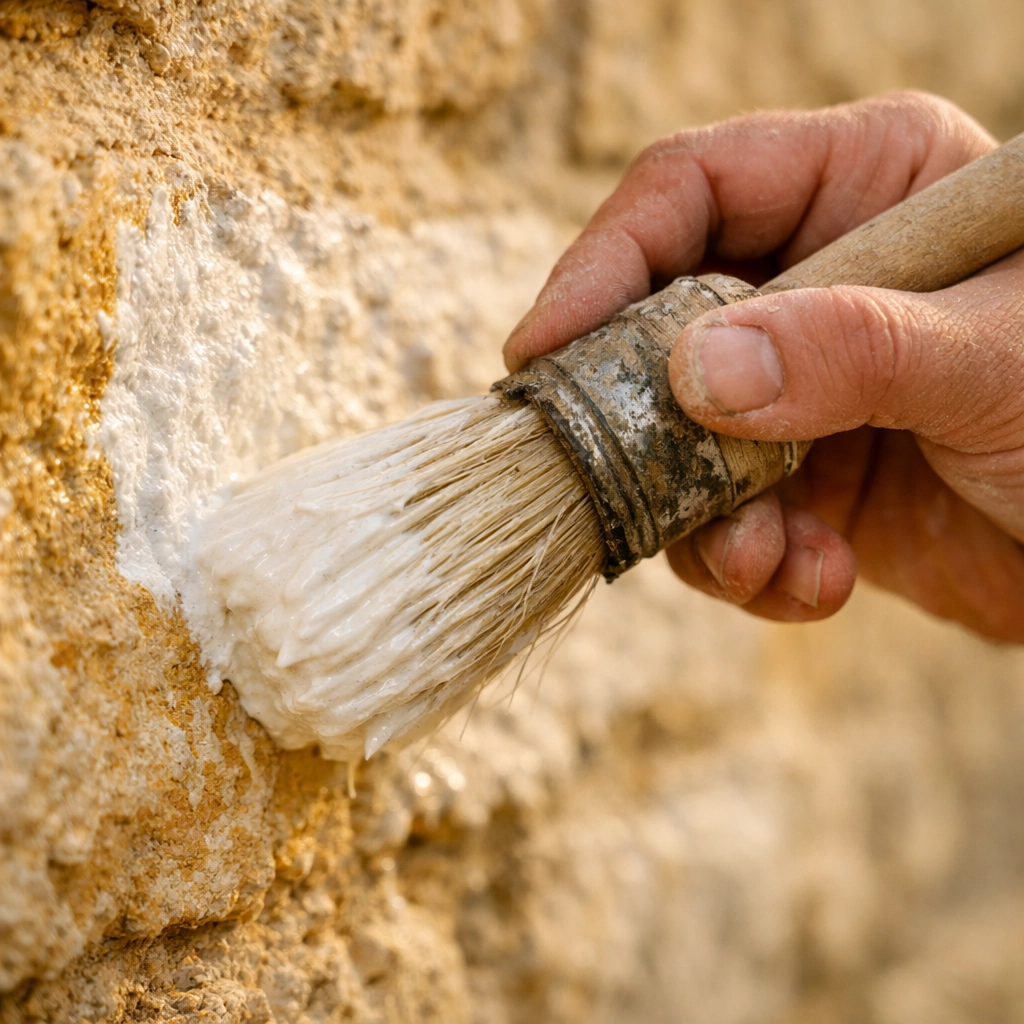
Authentic Regency finishes used limewash over lime plaster on external render. The system worked because every layer remained breathable. Modern paints create a plastic barrier that contradicts the original building philosophy.
Inside, the joinery follows specific proportions. Skirting heights relate to ceiling heights. Panel widths follow classical rules. Door architraves align with window casings in ways that create visual harmony.
A decorator experienced with Regency properties prepares surfaces to enhance these proportions rather than obscure them. They know how to restore original features without over-restoring. They understand when to strip back and when to work over.
They also recognize which "original" features are actually Victorian additions or 1980s approximations.
This distinction matters when making decisions about conservation versus sympathetic updating.
The Cotswolds' Unique Requirements
Cotswolds stone presents particular challenges. The local limestone is beautiful but porous. It absorbs water readily, which means any surface treatment must allow moisture to escape.
Traditional lime pointing and limewash finishes worked with this characteristic. Modern cement-based products fight against it, often causing the stone face to spall and crumble.
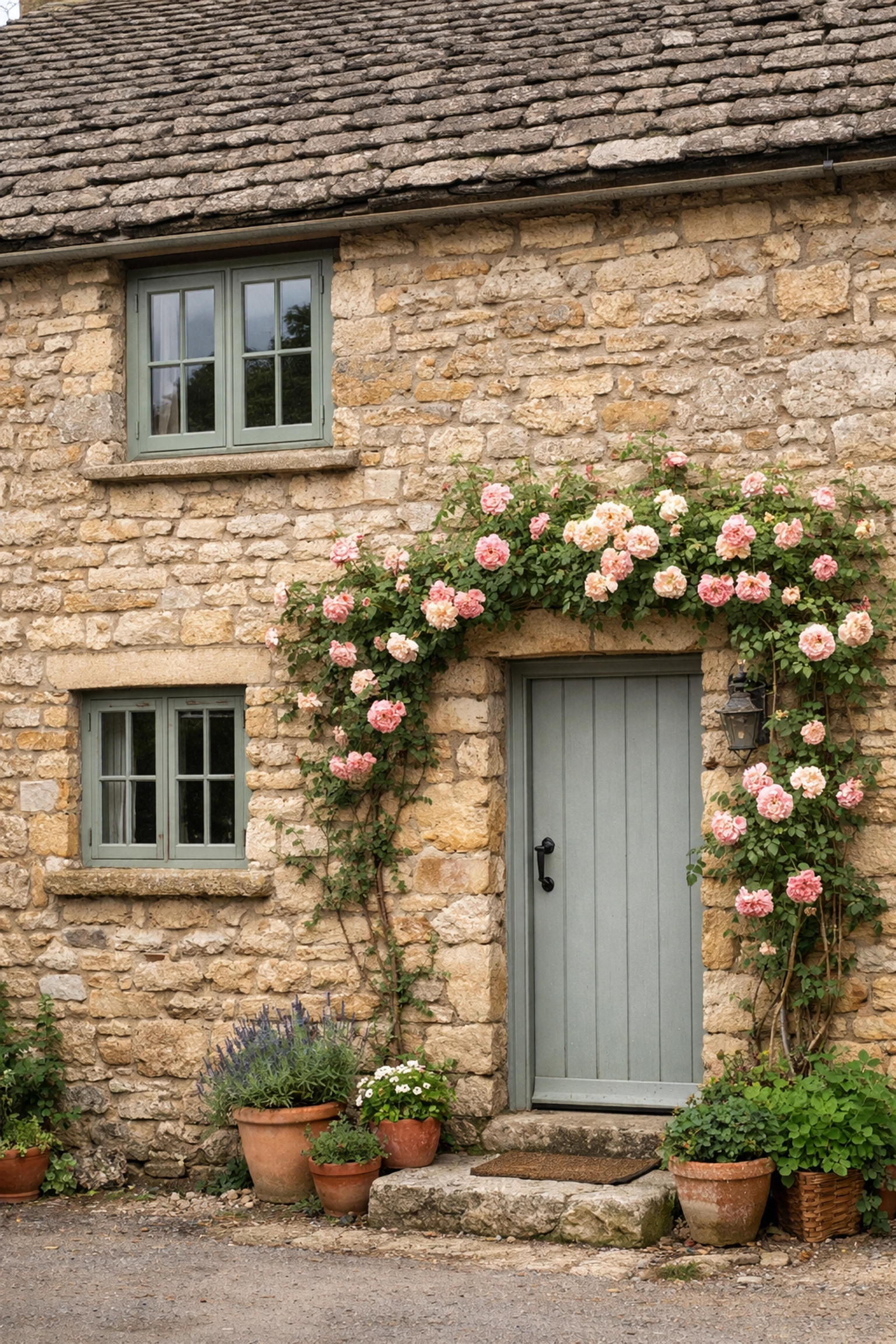
Interior spaces in stone cottages often feature uneven walls and low ceilings. These aren't flaws to be corrected but characteristics to be celebrated through appropriate color choices and finishes.
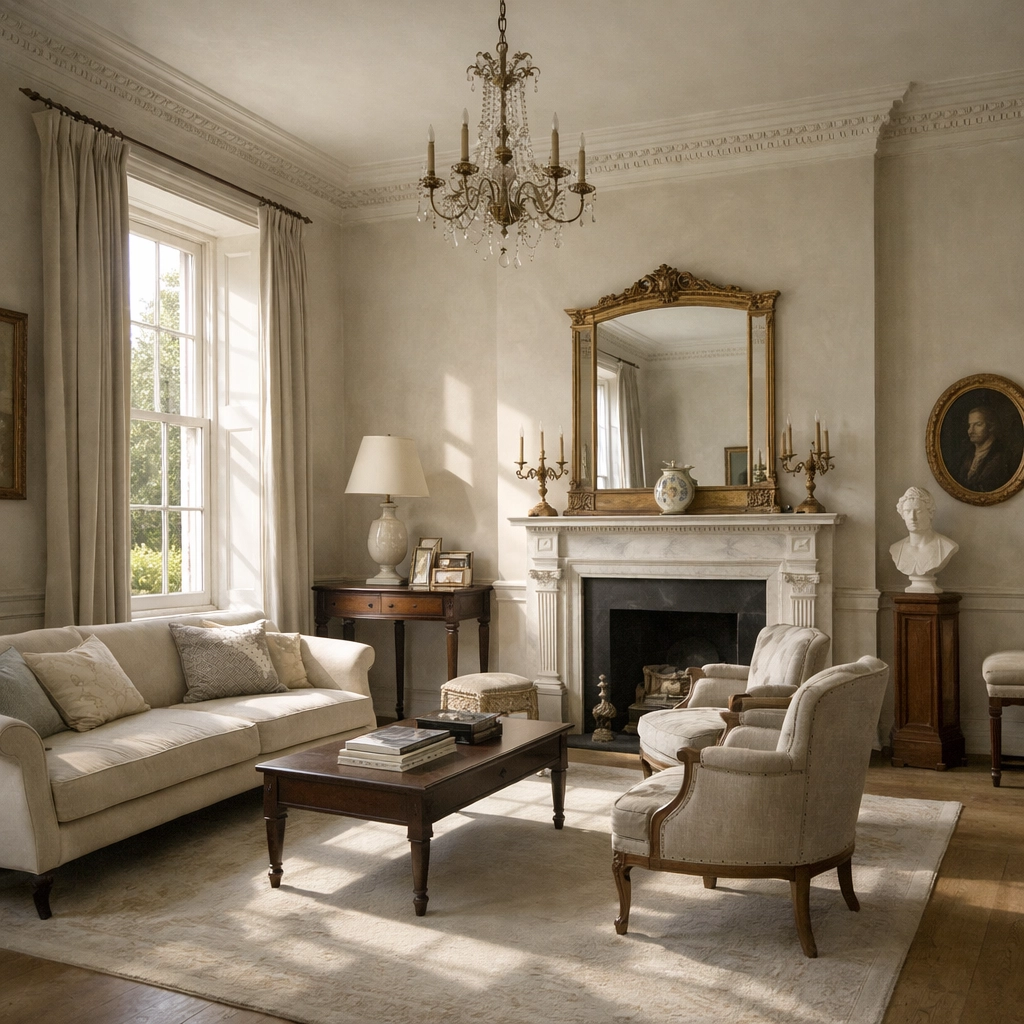
The stone's natural color variation influences paint selection. Warm creams and soft greys that look elegant against Regency stucco can appear cold and lifeless against honey-colored limestone. A decorator familiar with Cotswolds properties instinctively adjusts palettes to complement the stone.
Period barns converted to residential use present additional considerations. The original agricultural spaces have different proportions and light qualities than purpose-built homes. They need thoughtful approaches to color, finish, and detailing.
What to Look for in Heritage Specialists
Experience with listed buildings provides a useful starting point. Listed property work requires understanding of conservation principles and familiarity with Building Control requirements.
Ask about specific projects similar to yours. A portfolio featuring genuine period work demonstrates relevant capability.
Technical knowledge matters more than many homeowners realize. The right decorators should discuss breathable paint systems, low-VOC formulations, and material compatibility without prompting. If they default to trade standard products for every situation, that signals a general rather than specialist approach.
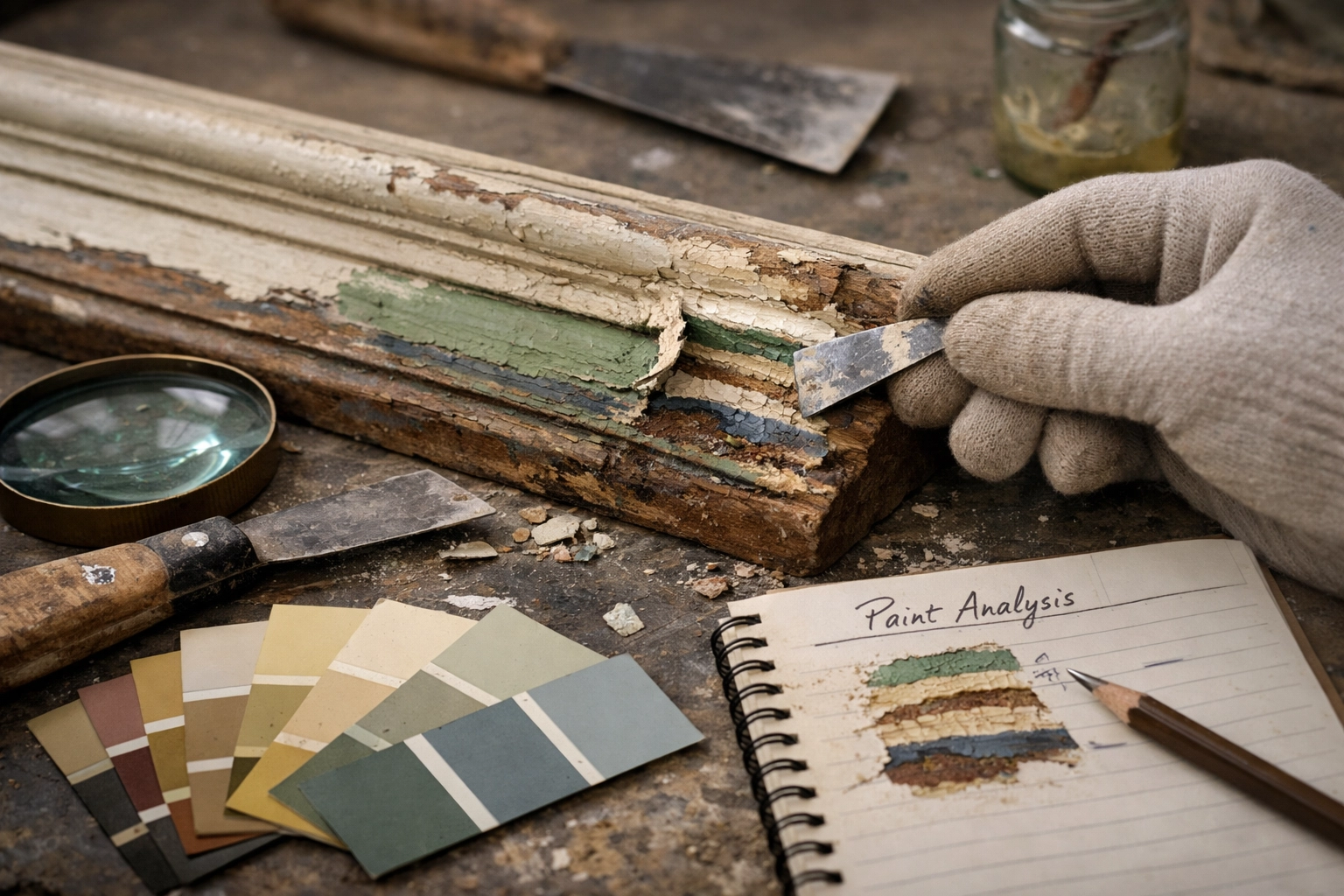
Look for decorators who talk about substrate preparation extensively. Period properties often have multiple layers of previous decoration, some applied with inappropriate materials. Proper surface preparation determines whether new finishes last five years or twenty.
Communication style indicates working approach. Decorators who ask detailed questions about the property's history, previous issues, and your long-term plans are thinking beyond the immediate project. Those who quote without thorough inspection may be underestimating complexity.
Red Flags to Avoid
Certain warning signs indicate decorators unsuitable for heritage work.
Anyone suggesting vinyl or acrylic paints for external lime render doesn't understand breathability. Recommendations for cement-based repairs to lime mortar or plaster show similar knowledge gaps.
Vague timelines and reluctant provision of detailed specifications suggest lack of planning rigor. Period work often uncovers hidden issues. Good decorators build contingency into schedules and budgets.
Pressure to make immediate decisions indicates sales focus over project quality. Heritage work benefits from considered choices about colors, finishes, and approaches. Rush decisions lead to regret.
Absence of professional insurance, specifically tailored to heritage work, creates unnecessary risk. Listed building projects carry particular liabilities.
The Value of Specialist Knowledge
General painters and decorators in Cheltenham and the Cotswolds often charge less than heritage specialists. That apparent saving proves expensive when finishes fail prematurely or inappropriate materials cause structural problems.
The cost differential typically reflects the specialist's investment in technical knowledge, appropriate materials, and methodical working practices.
Heritage decorating takes longer because preparation standards differ. Stripping back to sound surfaces, repairing properly with sympathetic materials, and building up finishes in multiple thin coats requires patience. The result lasts decades rather than years.
Specialists also carry appropriate insurance and understand the regulatory framework around listed buildings. They work with conservation officers constructively rather than viewing them as obstacles.
This expertise protects your property value and avoids costly remedial work.
Questions to Ask Before Hiring
Request examples of completed period property work in similar architectural styles. Photos should show attention to detail and understanding of appropriate finishes.
Ask about their approach to breathable paint systems and lime-based materials. Specific product knowledge indicates genuine expertise.
Inquire about preparation methods for different substrates. Comprehensive answers demonstrate thorough understanding of material science.
Check they're familiar with listed building consent requirements if applicable. Even unlisted period properties benefit from decorators who understand conservation principles.
Request a detailed specification rather than a simple price. This should list surfaces to be prepared, products to be used with manufacturer names, and number of coats to be applied.
Timelines should be realistic, accounting for drying times between coats and potential complications.
Making Your Decision
Finding the best painters and decorators in Cheltenham and the Cotswolds for period property work requires patience. The right choice pays dividends through finishes that enhance your home's character and stand the test of time.
Look beyond price to consider expertise, approach, and understanding of heritage architecture. A decorator who appreciates your property's significance brings value that extends far beyond the immediate project.
Period homes deserve decorators who respect their history whilst ensuring they remain comfortable, beautiful spaces for contemporary living. That balance requires knowledge, skill, and restraint.
The best heritage decorators bring all three.
If you're looking for specialists who understand Cheltenham's Regency architecture and the Cotswolds' unique requirements, explore our approach to period property decoration. Our work focuses exclusively on heritage finishes that protect and enhance historic buildings.
For guidance on specific period property challenges, our article on common listed building decorating mistakes provides practical advice worth considering before any project begins.

Comments