The Cheltenham Regency Guide: How to Maintain Original Plasterwork & Woodwork
- Lewis Mitten
- Feb 1
- 6 min read
If you own one of Cheltenham's elegant Regency terraces, you're living in a piece of architectural history.
These Grade II listed properties: with their soaring ceilings, intricate cornicing, and graceful proportions: weren't built to be maintained with modern off-the-shelf products. They require a different approach entirely.
Having worked on dozens of these properties across Montpellier, Pittville, and the surrounding conservation areas, I've learned that the key to preserving original plasterwork and woodwork isn't just about knowing the techniques. It's about understanding the specific materials and methods used in early 19th-century Cheltenham.
This is your practical guide to keeping those beautiful original features in proper condition.
Why Regency Properties Are Different
Cheltenham's Regency buildings were constructed between roughly 1790 and 1840, during the town's transformation into a fashionable spa resort.
The builders used lime-based mortars, lime plaster, and breathable paints. The woodwork was typically old-growth timber: denser and more stable than anything available today.
These materials were designed to work as a system. They breathe. They move slightly with the seasons. They manage moisture in ways that modern materials simply don't.
When you introduce modern acrylic paints, cement-based fillers, or synthetic sealants into this equation, you create problems. Trapped moisture. Accelerated decay. Damage that compounds over time.
Understanding this principle changes everything about how you approach maintenance.
Maintaining Original Plasterwork
Ceiling Roses and Cornicing
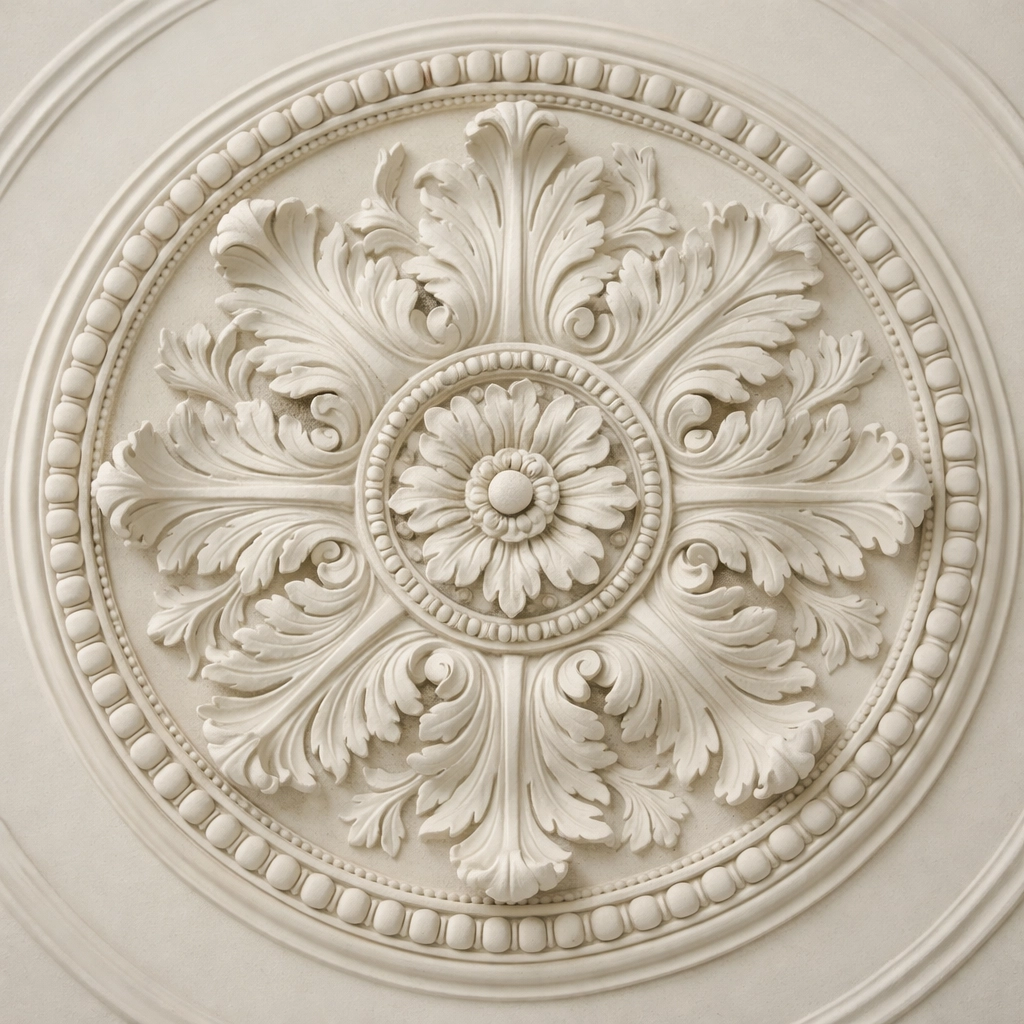
Those elaborate ceiling roses and egg-and-dart cornices weren't cast from modern gypsum plaster. They're lime plaster, often with horsehair as a binder, sometimes reinforced with timber laths.
Regular cleaning matters more than you'd think.
Dust and grime accumulate in the recesses and undercuts of decorative mouldings. Over time, this builds up and can obscure the crisp detail that makes these features so striking.
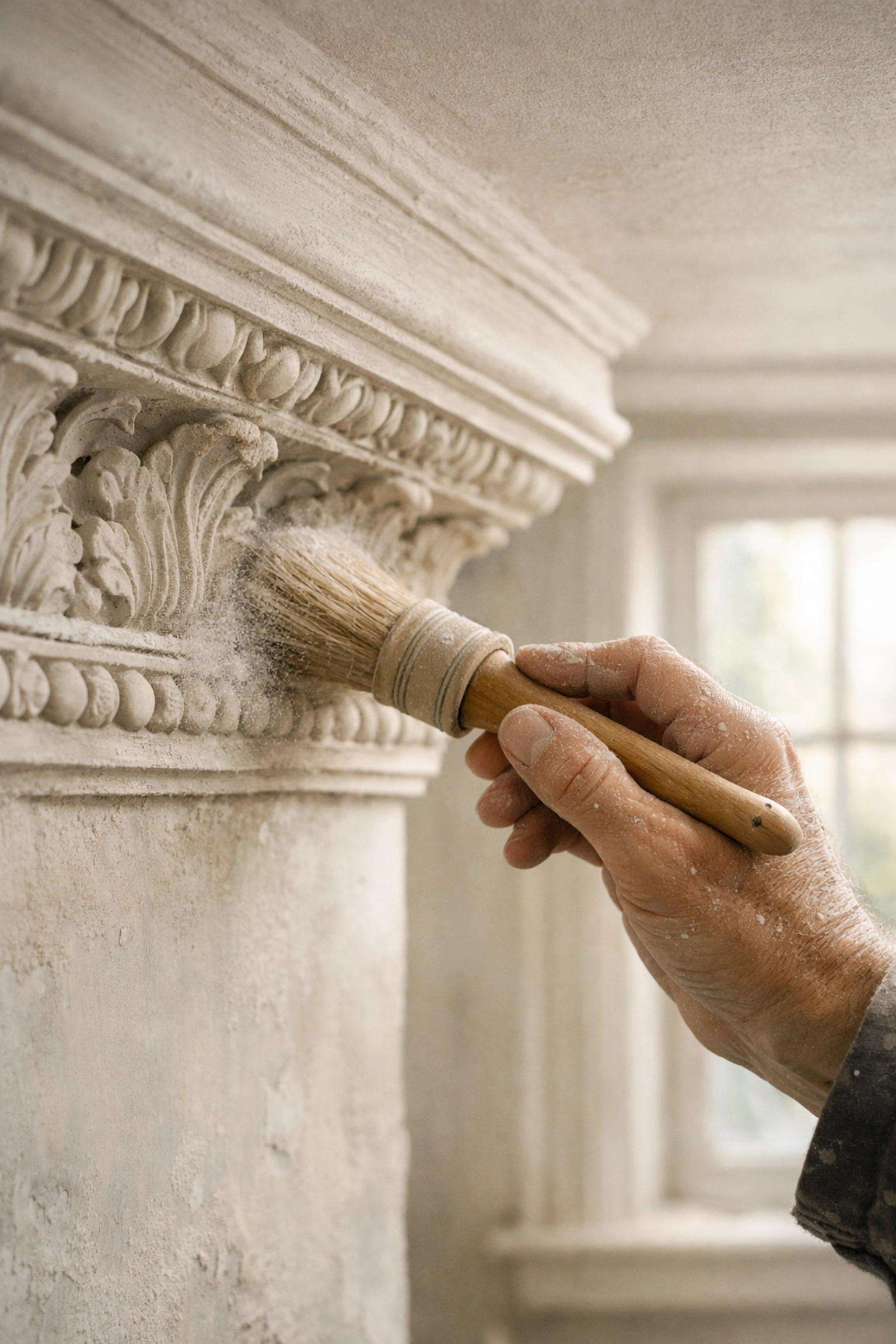
Use a soft brush: the type you'd use for watercolour painting: to gently remove dust from intricate areas. For more stubborn dirt, a barely damp microfibre cloth works well. Never use chemical cleaners or excessive water.
Watch for movement cracks.
Hairline cracks in cornicing are normal. These buildings flex slightly, and lime plaster accommodates this movement. Attempting to fill every tiny crack with modern flexible filler is unnecessary and often counterproductive.
However, if you notice sections of cornice sagging or pulling away from the ceiling, that requires attention. This usually indicates fixings that have corroded or timber laths that have failed.
Repainting requires the right materials.
When it's time to redecorate, the paint you choose matters enormously. Modern vinyl emulsions form an impermeable skin over lime plaster, trapping moisture and eventually causing the paint to flake and the plaster beneath to deteriorate.
Breathable paints: whether traditional distemper, clay paints, or modern mineral formulations: allow the plaster to continue breathing. They're slightly more expensive, but they're appropriate for the substrate.
We've written more about making informed choices when decorating listed buildings if you'd like to explore this further.
Picture Rails and Dado Rails
These horizontal mouldings serve both decorative and practical purposes. They also take more wear than ceiling elements.
Picture rails were designed to hang paintings without damaging plaster walls. The hooks distribute weight along the length of the rail rather than focusing stress on a single point.
Dado rails protected walls from chair backs in an era before fitted carpets and central heating meant furniture hugged walls.
Both elements are typically timber rather than plaster in Regency properties, though occasionally you'll find composition mouldings (a mixture of resin, size, and whiting pressed into shaped lengths).
Check fixings periodically.
These rails are fixed to walls with cut nails into timber grounds or directly into masonry. Over nearly two centuries, fixings can corrode or work loose.
If a section feels springy when pressed, it needs refixing. Don't simply screw through the face of the moulding with modern screws: this looks crude and can split historic timber. Proper refixing means accessing the fixings from behind or using techniques that don't compromise the appearance.
Caring for Original Woodwork
Sash Windows
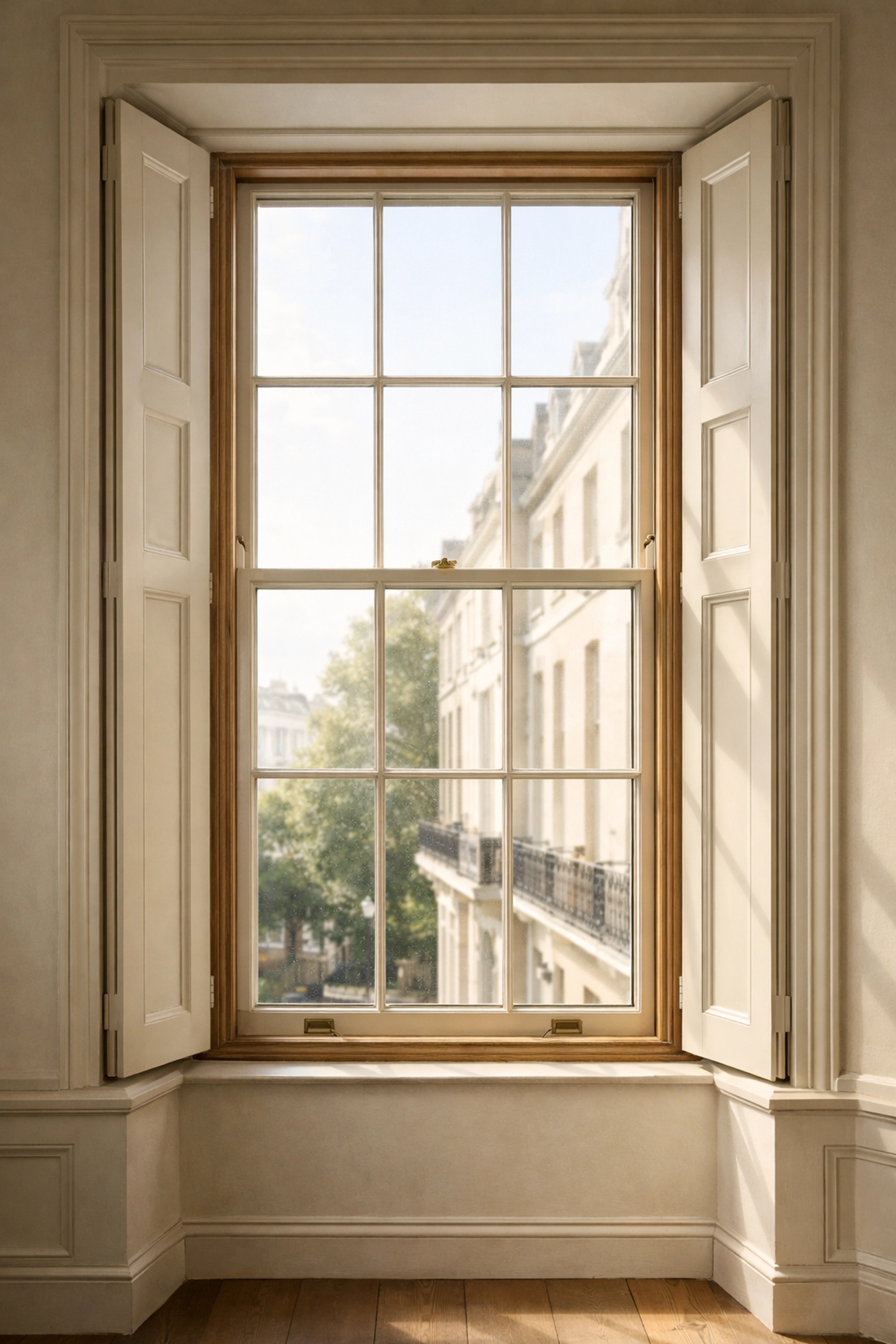
Those beautiful tall sashes are both the glory and the vulnerability of Regency properties.
Original sash windows were made from old-growth pine or sometimes oak. The timber is superior to modern equivalents, but after 200 years, it needs attention.
Maintain the paint finish.
Exterior woodwork relies on its paint coating for protection from the elements. Once paint fails and water penetrates the timber, decay accelerates rapidly.
Inspect window frames annually. Look for paint that's cracking, blistering, or peeling. Address small areas of failure before they become large problems.
When repainting is necessary, proper preparation is everything. Stripping back to bare timber isn't always appropriate: historic paint layers can provide valuable protection. Instead, prepare surfaces properly, treat any areas of wet rot or dry rot, and apply breathable primer and finish coats.
Modern microporous paints are a reasonable compromise: they're not as breathable as traditional linseed oil paints, but they're far better than standard gloss.
Keep mechanisms functioning.
Sash windows operate via a system of weights, cords, and pulleys concealed within the frame. When cords break (and they will eventually), the window becomes difficult to open and can drop unexpectedly.
Replacing sash cords is a straightforward job for someone who knows these mechanisms, but it's fiddly for the uninitiated. The weights typically remain serviceable: they're just lumps of lead or cast iron: but the cords themselves are sacrificial components that need periodic replacement.
Panelling and Internal Joinery
Many Regency properties feature panelled doors, shutters, and sometimes full wall panelling.
This joinery was constructed to accommodate seasonal movement. Panels sit in grooves within the frame, allowing them to expand and contract with changes in humidity without splitting or binding.
Don't over-paint.
Each successive layer of paint fills the small gap between panel and frame slightly more. Eventually, you reach a point where the panel can no longer move freely, and the timber splits or the joints fail.
If your panelling has decades of accumulated paint, consider having it professionally stripped and refinished. This isn't a job for caustic dip tanks: the heat and chemicals can damage historic timber and joints. Careful hand-stripping or Infrared paint removal preserves the wood properly.
Address loose joints promptly.
Panel doors are joined using mortise-and-tenon joints, secured with hide glue and timber wedges. When these joints start to fail, doors rack and twist.
Attempting to fix this with screws or modern adhesive rarely works properly. The joints need to be properly taken apart, cleaned, re-glued with appropriate adhesive, and reassembled. This requires experience with traditional joinery.
Common Mistakes to Avoid
Mistake one: Using modern filler on lime plaster.
Standard powder fillers and ready-mixed products are gypsum-based or polymer-modified. They're harder and less breathable than the lime plaster surrounding them. They stand proud when the softer plaster around them erodes slightly, and they can trap moisture.
Use lime-based fillers for lime plaster. They're slightly more awkward to work with: they set more slowly and need to be applied in thin layers: but they're compatible with the substrate.
Mistake two: Painting directly over dirty or flaking surfaces.
Proper preparation determines how long your decorative finish lasts. Painting over loose material or accumulated dirt means the new paint fails prematurely.
Take the time to prepare surfaces properly. It's less exciting than choosing colours, but it matters far more to the longevity of the work.
Mistake three: Ignoring small issues until they become large ones.
A small patch of damp plaster. A window that's becoming difficult to open. A section of skirting that sounds hollow when tapped.
These aren't problems that improve with time. They're early warnings that something needs attention.
In old buildings, prevention is invariably cheaper and less disruptive than cure.
When Specialist Knowledge Matters
Some maintenance tasks are straightforward for a competent DIY enthusiast. Dusting cornicing. Touching up minor paint damage. Replacing sash cords if you're methodical.
Other work requires specialist understanding. Replacing sections of damaged lime plaster. Repairing historic joinery. Addressing structural movement that's affecting decorative features.
The challenge is knowing which is which.
Listed building consent adds another layer of complexity. Many alterations to Grade II properties require consent from the local authority, even if you're simply repairing or replacing existing features. Working without consent can have serious legal and financial consequences.
This is where local knowledge becomes valuable. Someone who regularly works on Regency properties in Cheltenham understands not just the technical requirements but also the expectations of conservation officers and the common issues specific to these buildings.
We've spent years building relationships with local building control and conservation teams. We understand what they'll accept and what they won't. That knowledge can save considerable time and frustration.
The Long View
Owning a Regency property means accepting a certain level of ongoing maintenance.
These buildings weren't designed to be zero-maintenance. They require periodic attention, the use of appropriate materials, and work carried out by people who understand their particular quirks.
The reward is living in spaces of exceptional beauty and proportion. Light-filled rooms. Elegant details. A connection to Cheltenham's architectural heritage.
Proper maintenance preserves that heritage for the next generation while allowing you to enjoy your home fully in the present.
If you're concerned about any aspect of your property's original features, we're always happy to take a look and provide straightforward advice. Sometimes that's all that's needed: confirmation that what you're seeing is normal, or guidance on whether something requires immediate attention.
You can reach us through our main website or simply give us a ring. We work across Cheltenham and the surrounding areas, and we understand these buildings intimately.
Looking after period properties properly is what we do. Nothing more complicated than that.

Comments