The Cheltenham Property Owner's Guide to Finding Specialist Heritage Painters and Decorators
- Lewis Mitten
- Feb 6
- 5 min read
Choosing the wrong decorator for your period property can be costly. Not just financially, but in terms of irreversible damage to original features, inappropriate materials that trap moisture, and finishes that fundamentally misunderstand the architecture.
Cheltenham's Regency terraces, Victorian villas, and Cotswold stone cottages demand a different approach entirely. They require specialists who understand lime, breathability, and the sympathetic restoration of historic interiors.
This guide will help you identify genuine heritage expertise and avoid the pitfalls that come with treating a period property like a modern build.
Why Standard Decorators Aren't Enough
Most painters and decorators in Cheltenham work primarily on new builds and contemporary properties. Their training centres on modern materials: acrylic paints, vinyl emulsions, and synthetic sealants.
These products perform admirably on modern substrates. But apply them to lime plaster or porous stone, and you create problems.
Period properties need to breathe. Traditional walls draw moisture from the interior and allow it to evaporate externally. Modern, impermeable coatings trap that moisture, leading to damp patches, blown plaster, and eventual structural deterioration.
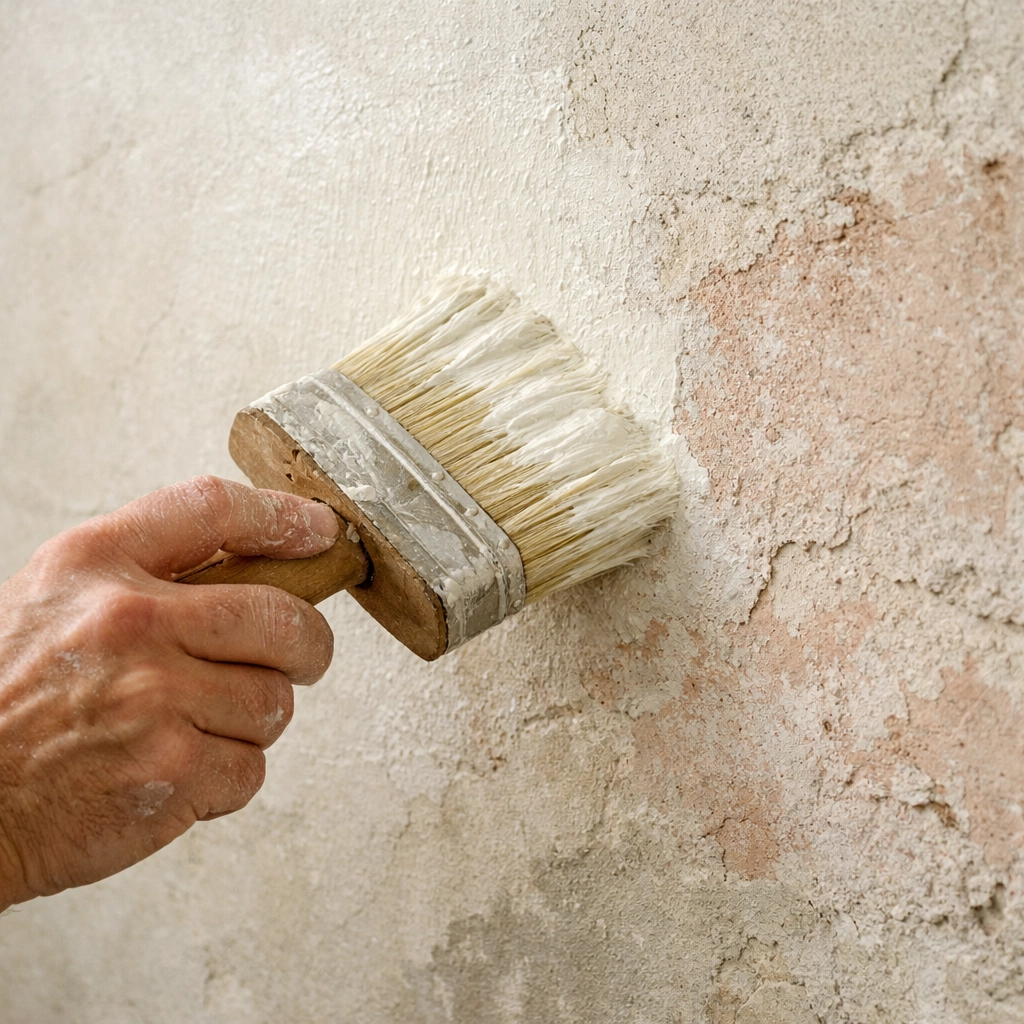
A heritage specialist understands this fundamental principle. They work with breathable materials: limewash, mineral paints, and traditional distemper: that allow the building to function as it was designed to.
Essential Qualifications and Experience
Look for decorators with demonstrable experience on listed buildings and conservation projects. Ten to fifteen years working specifically with period properties provides the depth of knowledge required.
Ask to see their portfolio of heritage work. Photographs should show:
Limewash application on external elevations
Restoration of decorative plasterwork and cornicing
Traditional wallpaper hanging in historic interiors
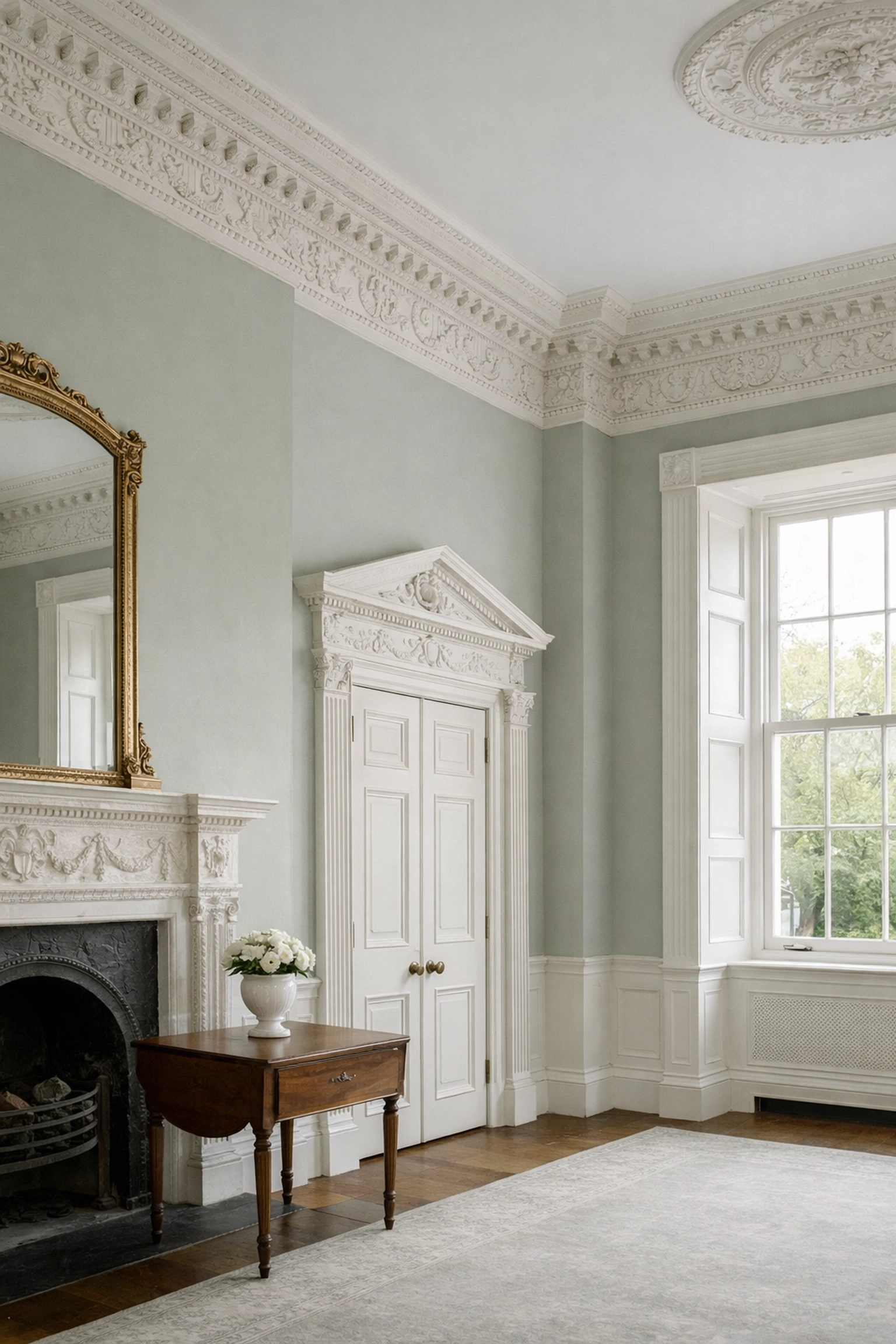
Sympathetic colour schemes appropriate to the property's period
Work on Grade I or Grade II listed buildings
Accreditation matters. Membership of organisations focused on building conservation suggests a commitment to continuing professional development in traditional techniques.
References from conservation officers, heritage consultants, or owners of similar properties carry significant weight. Standard testimonials rarely reveal whether a decorator truly understands period work.
Understanding Traditional Materials
Heritage specialists should be conversant with materials you won't find in a typical trade catalogue.
Limewash remains the most appropriate external coating for many period properties. It's breathable, self-healing through carbonation, and improves with age. Application requires skill: too thick and it flakes, too thin and coverage suffers.
Mineral paints offer a modern alternative with similar breathability. Silicate-based formulations chemically bond with mineral substrates, creating durable, vapour-permeable finishes suitable for both interior and exterior use.
Distemper and casein paints suit historic interiors where authenticity matters. These traditional finishes have a characteristic soft, chalky appearance that modern paints cannot replicate.
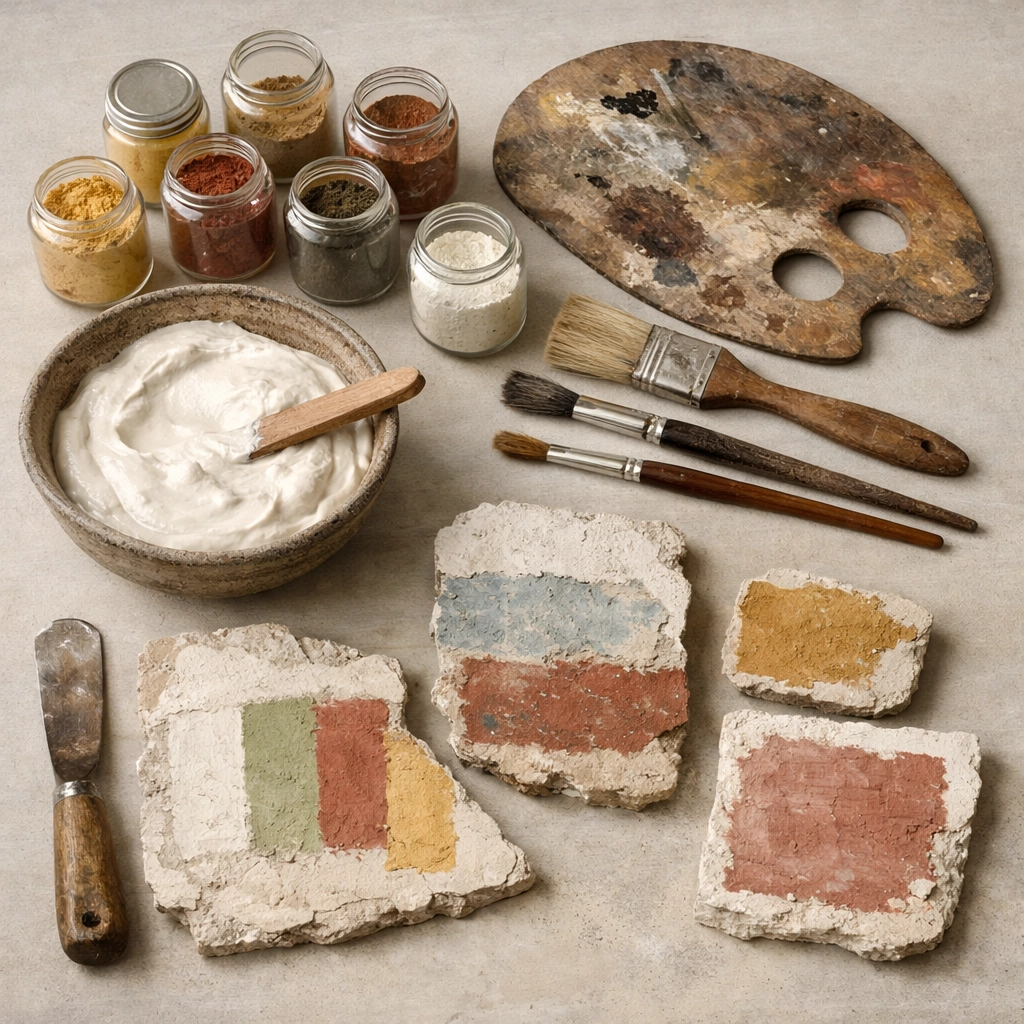
Natural pigments allow for historically accurate colour matching. Earth pigments, ochres, and umbers produce the subtle, complex tones found in period colour analysis.
Ask potential decorators which traditional materials they regularly use. If the answer focuses primarily on "heritage ranges" from mainstream manufacturers, probe deeper. These products serve a purpose, but true specialists work with traditional materials in their pure forms.
Questions to Ask Before You Hire
The initial consultation reveals much about a decorator's approach and expertise.
"How would you address moisture management in a property like mine?"
The answer should demonstrate understanding of breathability, appropriate substrate preparation, and material selection. Be wary of anyone suggesting modern damp-proof coatings or synthetic sealants without careful qualification.
"What's your experience with [specific feature relevant to your property]?"
Whether it's decorative plasterwork, original shutters, or Victorian tile work, specialists should discuss previous projects involving similar elements. Vague assurances aren't sufficient.
"Can you provide a detailed specification of materials you'd use?"
Heritage work demands transparency. You should receive precise information about paint systems, preparation methods, and number of coats. "Standard decorating specification" doesn't exist for period properties.
"How do you approach colour selection for properties from this period?"
Understanding of historical colour palettes, paint analysis techniques, and appropriate schemes for different rooms indicates genuine heritage knowledge.
"What's your process for protecting original features during work?"
Decorating inevitably involves dust, splashes, and movement. Ask about masking procedures, floor protection, and how they handle delicate architectural details.
Red Flags to Watch For
Certain responses should prompt caution, if not outright concern.
Dismissing the need for breathable materials. Any suggestion that "modern paints work fine on old walls" reveals fundamental misunderstanding of building physics in period properties.
Reluctance to provide detailed specifications. Heritage work requires precision. Decorators unwilling to specify exact materials and methods often lack the confidence that comes with genuine expertise.
Unfamiliarity with lime-based materials. If a decorator claims to specialise in period properties but has limited experience with lime: in any form: their expertise is questionable.
Pressure to make immediate decisions. Reputable specialists understand that heritage projects require consideration. They provide detailed quotations and allow time for client reflection.
Generic portfolios showing predominantly modern work with a handful of period projects. Heritage specialists focus primarily on traditional buildings. Their portfolios should reflect this emphasis.
Listed Building Considerations
Grade I and Grade II listed properties introduce additional complexities.
Most internal decorating doesn't require listed building consent. However, certain works do: particularly those affecting historic decorative schemes, rare wallpapers, or painted surfaces of significance.
A knowledgeable decorator will flag potential consent issues early. They should understand when to advise consultation with your local conservation officer.
Some heritage specialists maintain relationships with conservation professionals and can facilitate this dialogue. This collaborative approach often streamlines the consent process and ensures your project proceeds on solid ground.
Beyond Basic Decoration
True heritage specialists offer services beyond standard painting.
Polished plaster and Venetian plaster finishes suit period properties seeking refined, textured wall surfaces. These lime-based techniques create depth and luminosity impossible with standard paint.
Traditional wallpaper hanging requires different skills from modern paper installation. Historic papers: hand-printed, fragile, or with complex pattern repeats: demand meticulous handling and paste selection appropriate to the substrate.
Gilding and decorative finishes restore ornamental details to their intended appearance. Water gilding, oil gilding, and bronze powders each suit different applications.
Colour consultation and historical paint analysis help property owners make informed decisions about appropriate schemes. Microscopic paint analysis can reveal original colour layers, providing evidence for authentic restoration.
Specialists offering these services demonstrate breadth of capability that extends beyond competent painting into true craftwork.
Making Your Decision
Gather detailed quotations from at least three heritage specialists. Compare not just price, but methodology, materials, and demonstrated understanding of your property's specific requirements.
The cheapest quote rarely represents best value for period property work. Traditional materials cost more. Skilled application takes longer. Proper preparation cannot be rushed.
Expect to pay a premium for genuine expertise. Heritage decorating commands higher rates than standard work: and rightly so. The knowledge, materials, and care involved justify the investment.
Trust your instincts during consultations. The right decorator will listen carefully, ask perceptive questions about your property, and offer thoughtful recommendations rather than standard solutions.
Your period property deserves nothing less than specialist care. The wrong approach creates problems that compound over time. The right approach preserves architectural heritage and creates interiors of lasting beauty.
Choose accordingly.

Comments