Do You Really Need Listed Building Consent to Paint Your Cotswolds Home? Here's the Truth
- Lewis Mitten
- Feb 7
- 4 min read
If you own a listed property in Cheltenham or the Cotswolds, you've likely encountered this question. The answer isn't as straightforward as you might hope.
Listed building consent for painting depends on your property's history, its architectural features, and the materials you intend to use. Getting it wrong carries legal consequences: and potentially expensive ones.
The Short Answer
Whether you need consent hinges on one critical factor: has your façade been painted before?
For previously painted façades, the requirement is nuanced. For unpainted stonework or render, consent is almost always mandatory.
The confusion stems from the fact that this is a "fact and degree assessment." Each property requires individual consideration.
Previously Painted Façades: The Grey Area
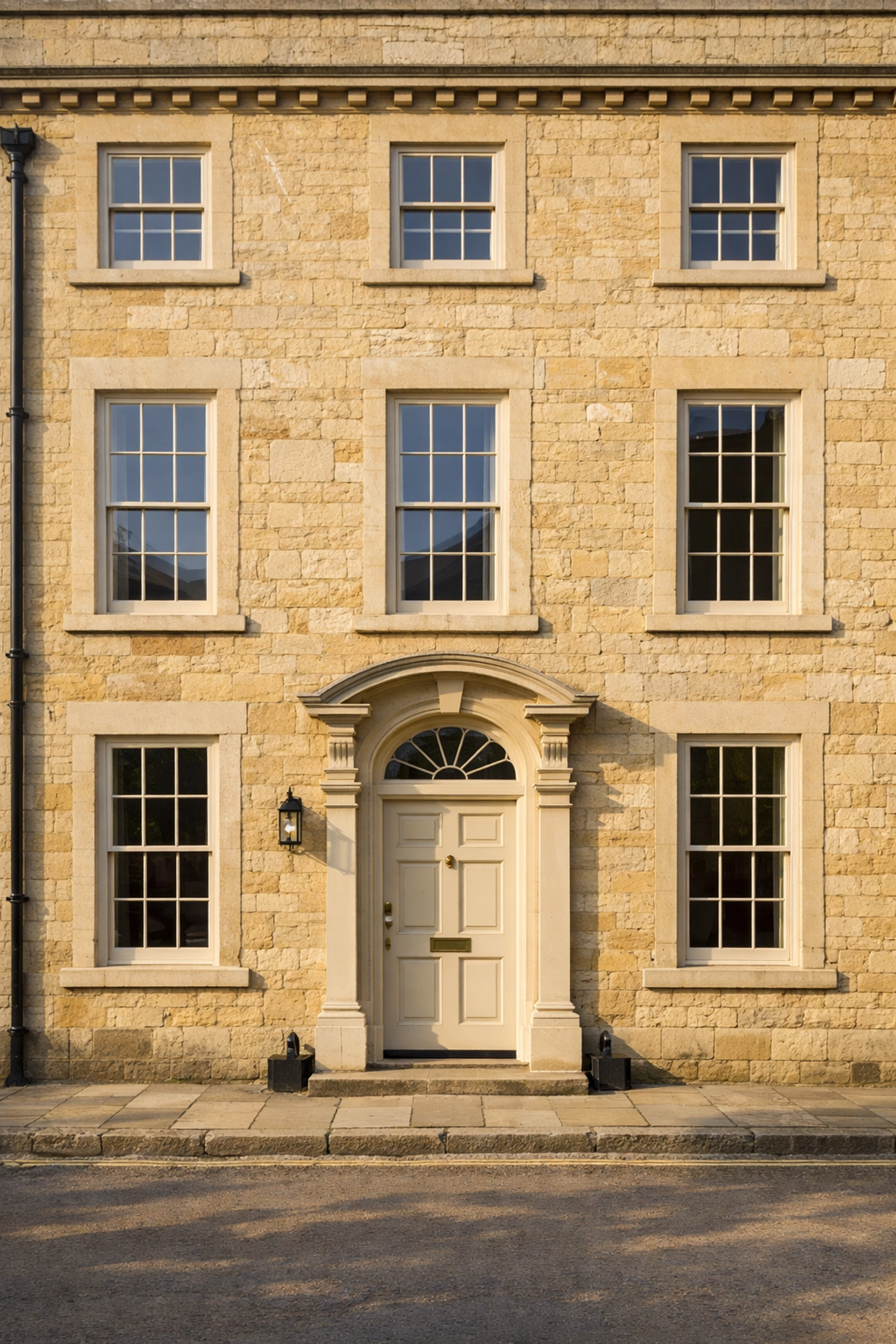
If your building has been painted historically, the consent requirement becomes less clear-cut.
According to Institute of Historic Building Conservation guidance, several factors determine whether you need formal approval:
The materials used for the façade
The texture and lining out of the surface finish
Whether the building stands alone or forms part of a terrace
The general colour palette used in the immediate vicinity
A Grade II listed Regency townhouse in Montpellier, for instance, sits within a carefully preserved streetscape. Changing from cream to deep red would likely require consent. Repainting in a similar heritage colour might not.
The distinction matters enormously.
The Materials Question
Not all paints are created equal. Impervious modern masonry paints are rarely appropriate on traditionally constructed listed buildings.
These products trap moisture within the fabric of the building. Over time, this leads to:
Salt damage to stonework
Frost damage during winter months
Interior damp problems
Accelerated decay of lime mortars
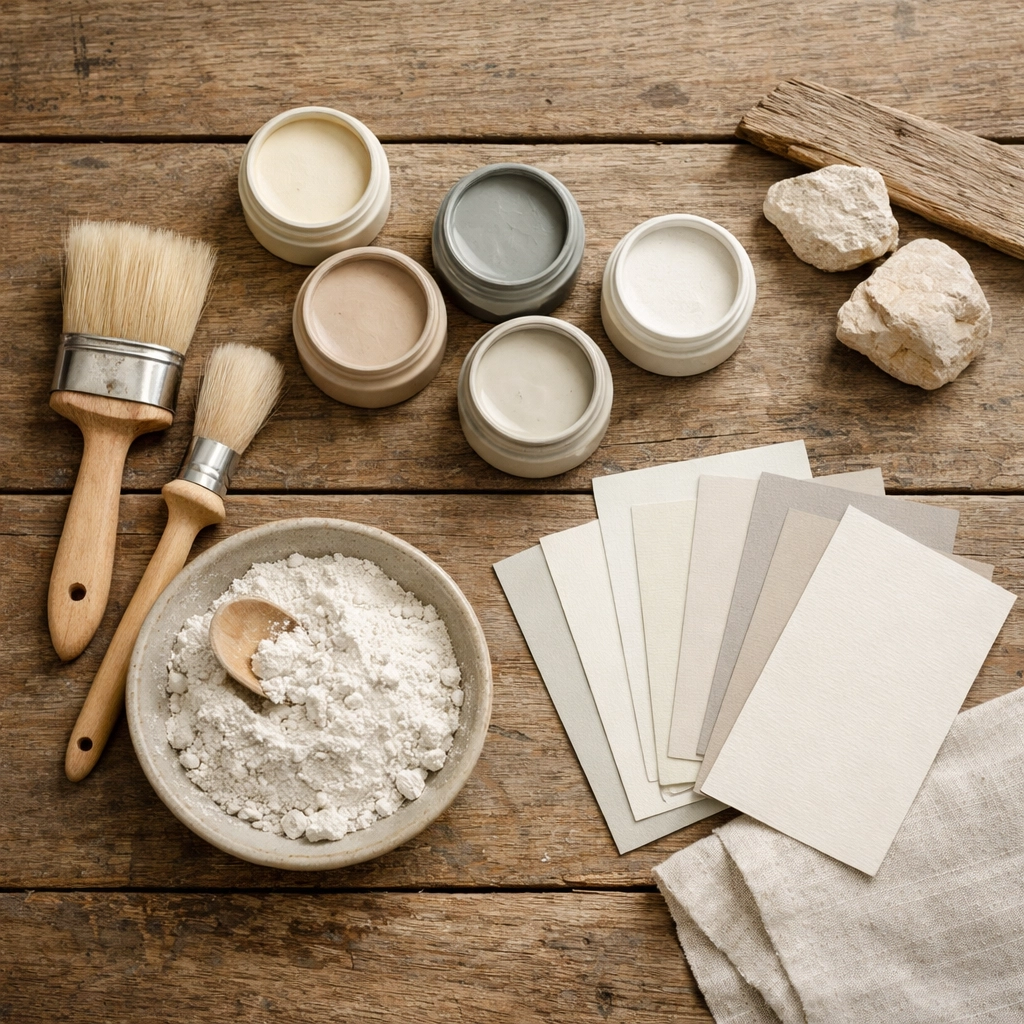
Breathable coatings: mineral paints, limewash, or traditional distemper: allow moisture to escape naturally. They work with the building's construction rather than against it.
This isn't simply about preservation aesthetics. It's about structural integrity.
Previously Unpainted Façades: Consent Required
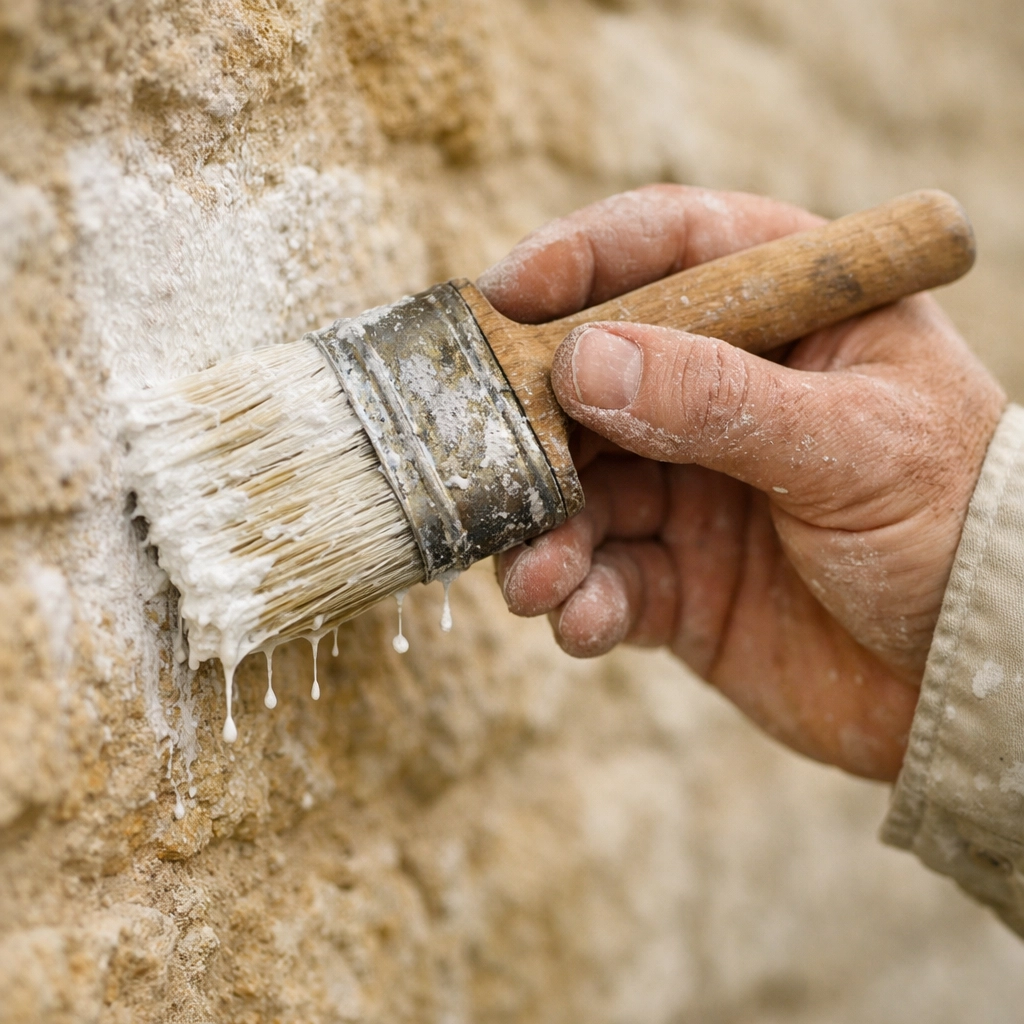
The guidance here is unequivocal.
Painting a previously undecorated façade represents a radical change to a listed building's character and appearance. Listed building consent is therefore required: no exceptions.
This applies even to Victorian or Edwardian cement render. Such render is generally only acceptable when painted grey. Other colours are "seldom an acceptable alternative to proper repair, cleaning or the removal of unsightly stains."
The reasoning is straightforward. Cotswold stone, Bath stone, and other traditional materials were meant to be seen. Their natural colour, texture, and weathering patterns form part of the building's significance.
Painting over them fundamentally alters that significance.
Special Architectural Features
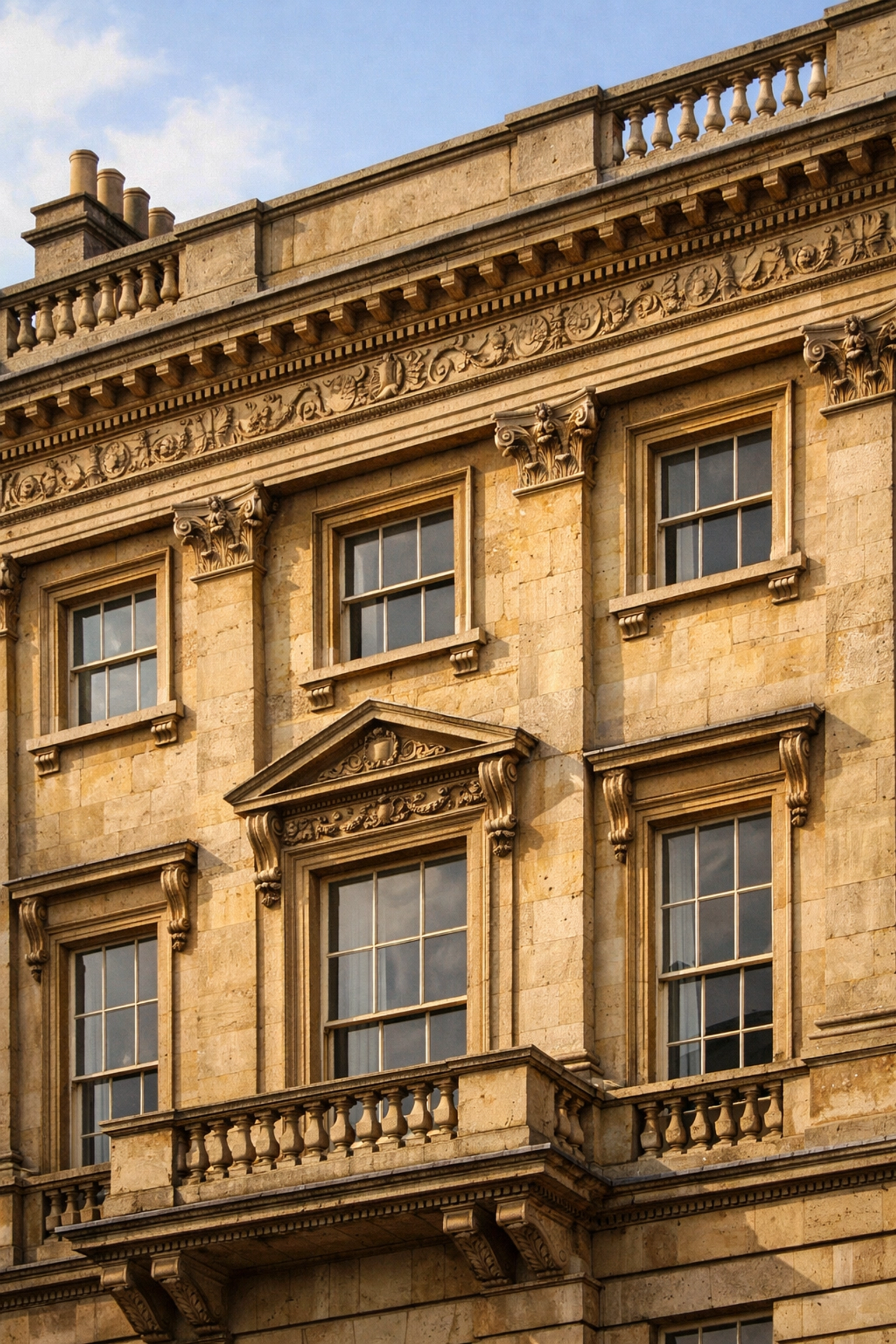
Moulded details, cornices, string courses, and sculptural decoration present their own considerations.
Proposals to paint previously unpainted decorative elements should generally be refused consent. These features were designed to be appreciated in their natural state: the play of light across undecorated stone forms part of their aesthetic value.
If such features have been painted historically, like-for-like repainting in breathable materials may be acceptable. Again, the building's specific history determines the correct approach.
Like-for-Like Repairs and Repainting
Here's where many property owners find latitude.
Like-for-like maintenance: repainting in the same colour using appropriate materials: often falls outside the consent regime. This is considered routine maintenance rather than alteration.
The key word is "appropriate." Using a modern acrylic masonry paint when the building has historically been finished in limewash would not qualify as like-for-like.
Similarly, changing from traditional distemper to vinyl emulsion alters the building's breathability and future maintenance requirements. Conservation officers take a dim view of such substitutions.
What Counts as Like-for-Like?
The principle is simple. Match what was there before in:
Colour and tone
Material composition
Application method
Surface texture
If your Georgian townhouse has been painted in a traditional heritage cream for two centuries, repainting in the same shade using mineral paint or limewash typically requires no consent. Switch to magnolia vinyl, and you're on shakier ground.
The Practicalities: How to Check
Most local planning authorities maintain online lists of designated heritage assets. Cheltenham Borough Council and Cotswold District Council both provide searchable registers.
Your property's listing description details its special architectural and historic interest. This document guides conservation officers when assessing consent applications.
When in doubt, seek pre-application advice. Most councils offer this service for a modest fee. It provides clarity before you commit to contractors or materials.
Professional decorating firms specialising in heritage properties: such as those experienced in listed building work: understand these requirements intimately. They can often advise whether your proposed work requires formal consent.
Why This Matters
Undertaking work without required consent is a criminal offence under the Planning (Listed Buildings and Conservation Areas) Act 1990.
Local authorities can:
Prosecute the property owner
Issue enforcement notices requiring reversal of unauthorised work
Impose unlimited fines
More significantly, unauthorised work can complicate future sales. Buyers' solicitors routinely request confirmation of listed building consent for any alterations. Its absence creates legal complications and potential liabilities.
The inconvenience of seeking consent pales compared to the cost of rectifying unauthorised work.
Getting It Right
The confusion surrounding listed building consent for painting stems from legitimate complexity. No two heritage properties are identical. Their histories, materials, and contexts vary enormously.
Three principles should guide your approach:
For properties throughout Cheltenham and the Cotswolds, these considerations aren't bureaucratic obstacles. They're the price of stewardship.
Listed buildings survived centuries because successive owners maintained them sympathetically. Your custodianship continues that tradition.
If you're planning decoration work on a listed property and need guidance on appropriate materials and methods, Cheltenham Heritage Finishes specialises in sympathetic restoration using traditional, breathable finishes. We understand the requirements; and we get them right first time.

Comments