7 Mistakes You are Making with Listed Building Decorating (and How to Fix Them)
- Lewis Mitten
- Jan 29
- 5 min read
Updated: Jan 31
Owning a listed property in Cheltenham or the Cotswolds is a privilege. It also comes with responsibilities that many homeowners underestimate.
Listed building decorating requires a particular understanding of materials, methods, and regulations. Get it wrong, and you risk damaging irreplaceable features: or finding yourself on the wrong side of your local conservation officer.
After years working as a specialist listed building painter across the region, we've seen the same mistakes repeated time and again. Here's how to avoid them.
Mistake 1: Using Modern Paints on Historic Walls
This is perhaps the most common error we encounter. Well-meaning homeowners reach for the same emulsion they'd use in a new-build, not realising the damage it can cause.
Modern paints create a plastic-like seal over the surface. On period walls: particularly those built with lime mortar: this traps moisture inside the masonry. The result? Damp problems, crumbling plaster, and paint that bubbles and peels within months.
The fix: Choose breathable coatings designed for historic buildings. Limewash walls have been used for centuries precisely because they allow moisture to pass through naturally. Modern lime-based paints offer the same benefits with improved durability and a wider colour palette.
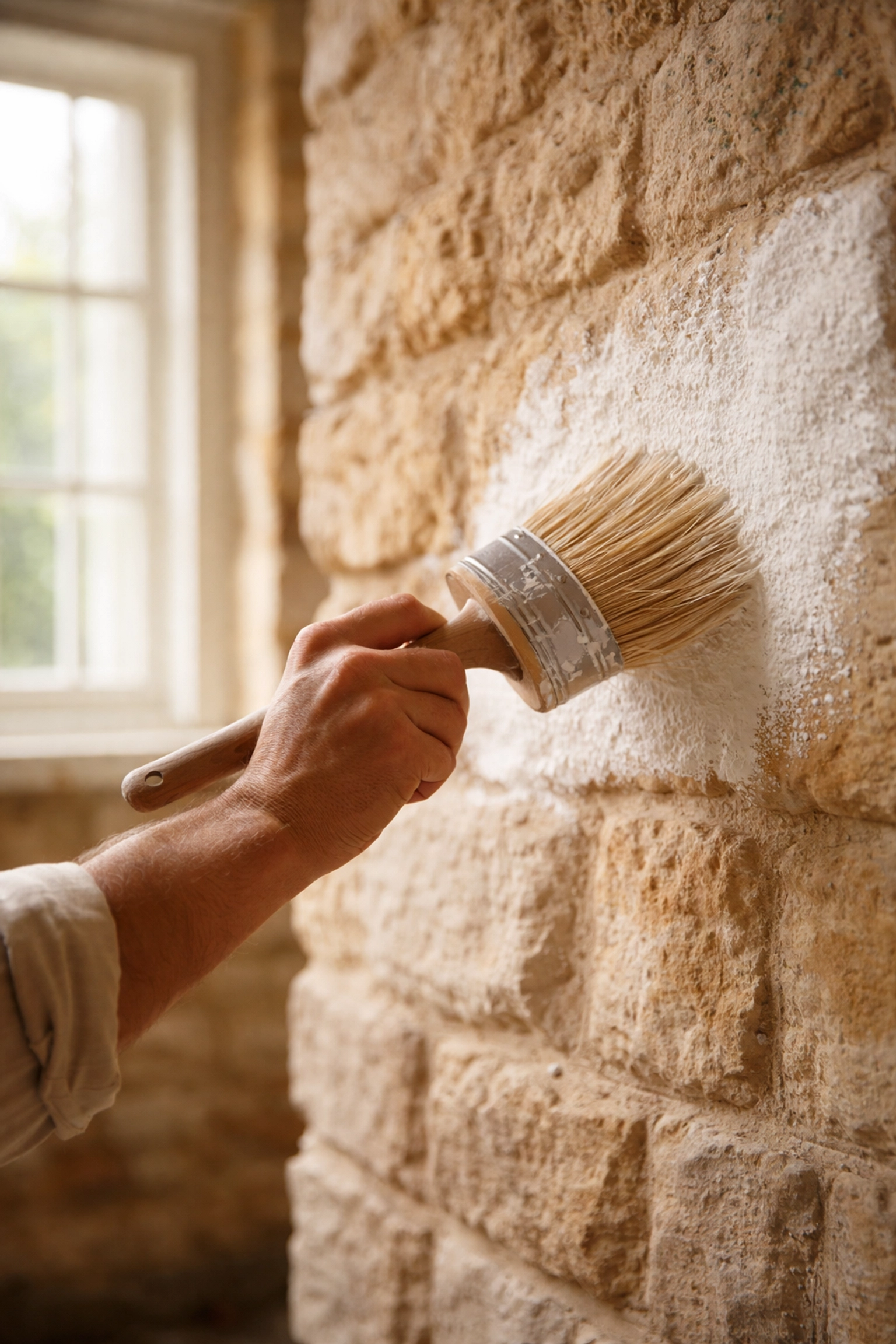
For interior walls, clay paints and mineral silicate coatings provide excellent alternatives. They work with your building's original construction rather than against it.
Mistake 2: Stripping Original Features
The urge to modernise can be strong. But removing original plaster, cornices, timber mouldings, or wall panelling is almost always a mistake.
These features are integral to your building's character. They're also protected under listing legislation. Altering or removing them without Listed Building Consent is a criminal offence: and can result in enforcement action requiring you to reinstate what was removed.
The fix: Repair rather than replace. Original lime plaster, even when cracked or damaged, can usually be stabilised and restored. The same applies to decorative mouldings and woodwork.
If previous owners have already removed features, consider sympathetic reinstatement using traditional materials and techniques. This requires specialist knowledge, but the results are worth the investment.
Mistake 3: Ignoring the Importance of Surface Preparation
Period property painting demands patience. Rushing the preparation stage: or skipping it entirely: leads to finishes that fail prematurely.
Historic surfaces present unique challenges. Layers of old limewash, distemper, or lead paint require careful assessment. Applying modern coatings over incompatible substrates creates adhesion problems and unsightly results.
The fix: Commission a thorough survey of existing finishes before any work begins. This determines the appropriate preparation method and compatible coating system.
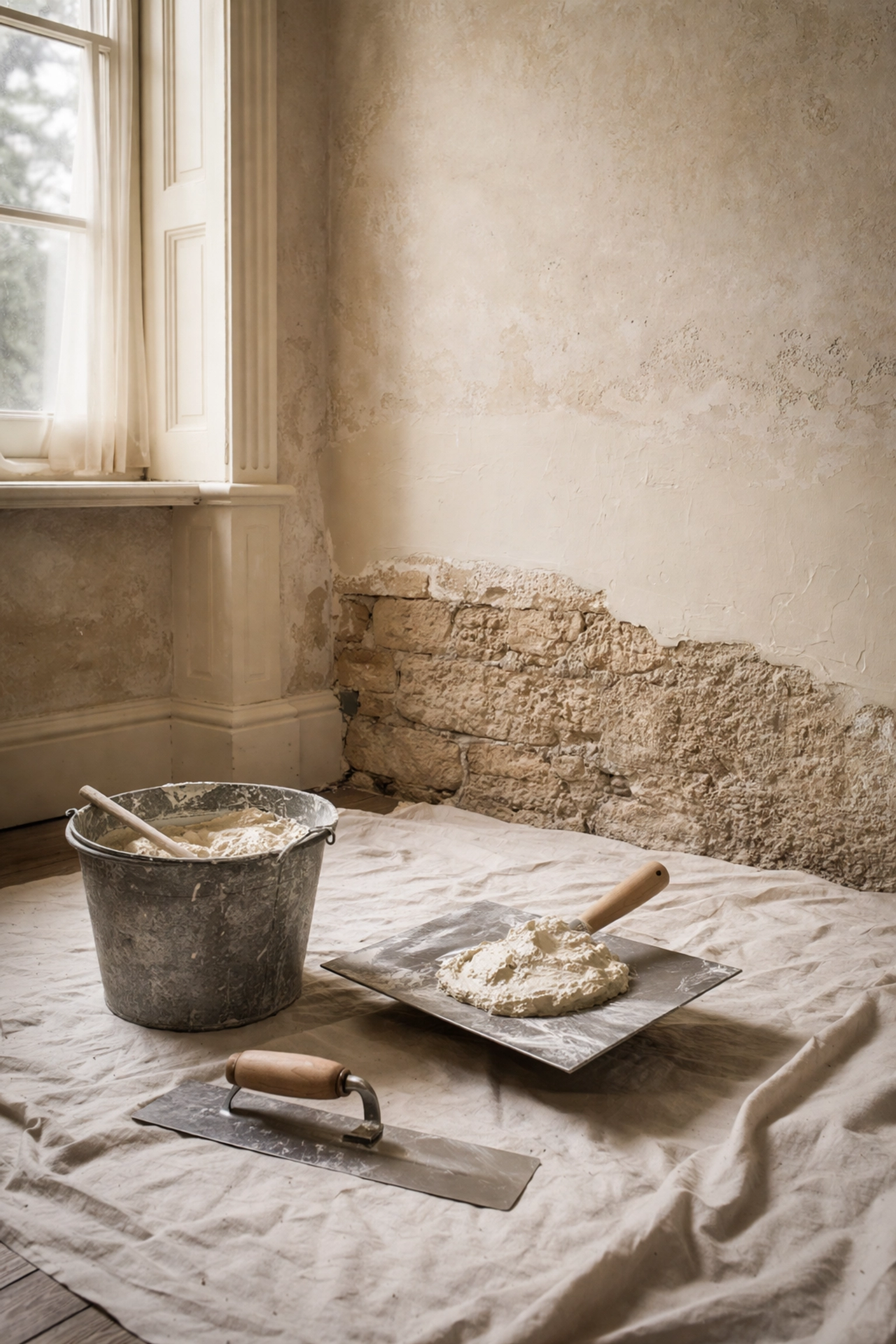
Loose material must be removed. Repairs to plaster should be carried out using lime-based products that match the original. Only then should decoration proceed.
Mistake 4: Painting Exterior Brick That Was Never Meant to Be Painted
Painting previously unpainted brickwork is rarely advisable. Once done, it's extremely difficult to reverse: and it fundamentally changes the building's appearance.
More critically, unsuitable exterior paints trap moisture within the masonry. In our climate, this leads to frost damage, spalling, and accelerated deterioration of both brick and pointing.
The fix: If your exterior brick has never been painted, keep it that way. Conservation-grade treatments can address staining or weathering without sealing the surface.
For buildings where painting has already occurred, careful maintenance with breathable masite or lime-based paints minimises further damage. Selecting colours that complement the underlying brick also reduces the visual impact of any future chipping.
Mistake 5: Choosing Finishes That Clash with Your Building's Character
A Georgian townhouse calls for different treatment than a medieval cottage. Yet we regularly see finishes applied without regard for architectural context.
Venetian plaster in a thatched Cotswolds cottage. High-gloss woodwork in a Regency villa. These jarring combinations diminish rather than enhance your property's appeal.
The fix: Research your building's history. Understand what materials and finishes would have been used originally.
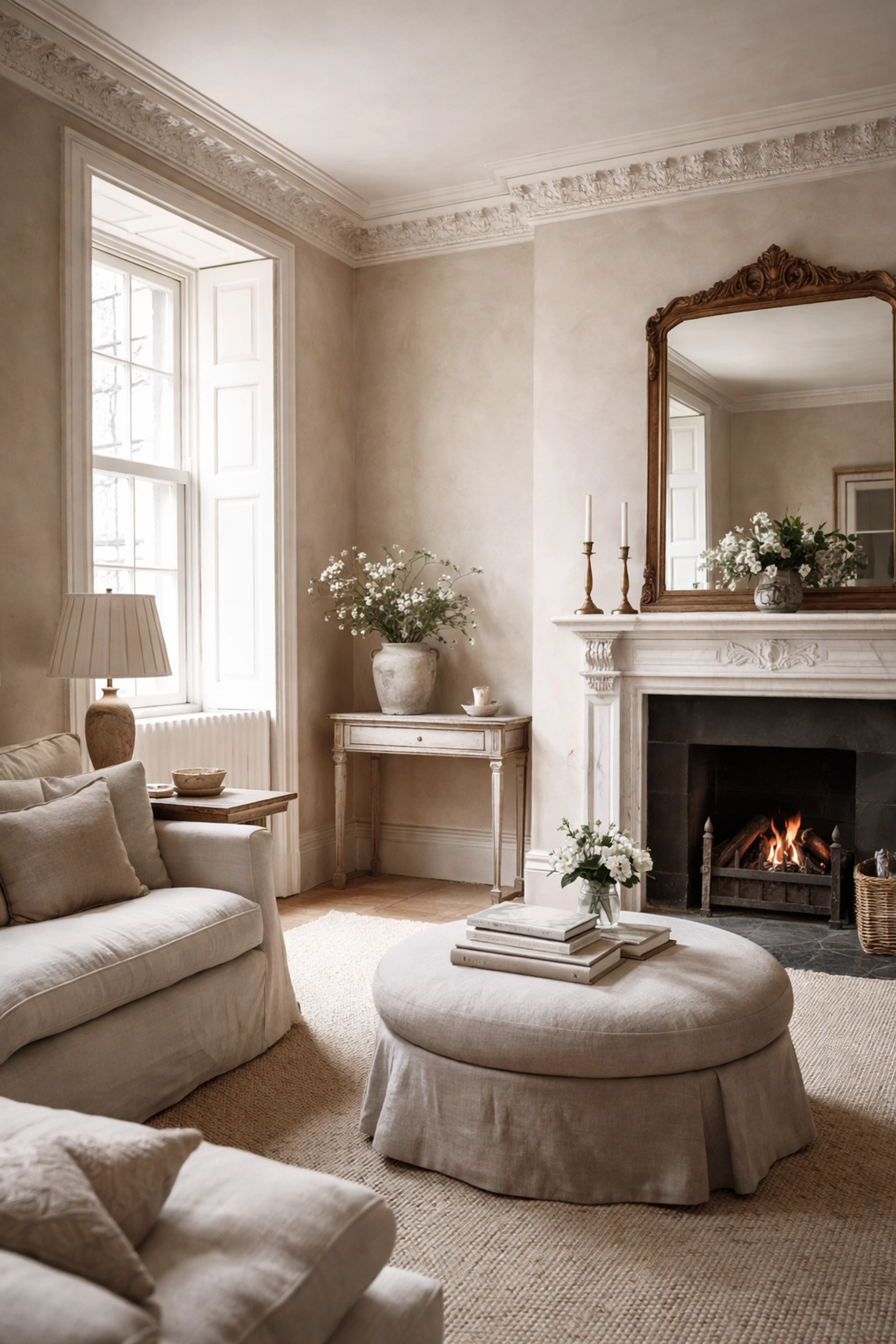
For period interiors, polished plaster can be entirely appropriate: but the technique and finish must suit the building's age and style. A subtle, hand-applied Marmorino complements a Georgian drawing room beautifully. A highly reflective contemporary finish does not.
Working with painters and decorators in Cheltenham who specialise in heritage properties ensures finishes are selected with proper consideration for architectural integrity.
Mistake 6: Attempting Complex Work Without Specialist Knowledge
Listed building decorating is not standard decorating. The techniques, materials, and regulatory requirements are fundamentally different.
We've been called to rectify countless well-intentioned DIY efforts. Lime plaster applied incorrectly. Wallpaper hung over damp walls. Historic woodwork damaged by aggressive preparation methods.
The fix: Recognise when specialist expertise is required.
Traditional limewash application demands specific knowledge of slaking, layering, and curing. Installing wallpaper in period properties: particularly on uneven historic walls: requires experience a standard wallpaper installer may not possess.
The same applies to joinery. Spray painting kitchen cabinets in a listed building requires careful consideration of ventilation, VOC levels, and the protection of surrounding historic fabric.
Engaging painters and decorators in the Cotswolds with proven heritage credentials protects both your property and your investment.
Mistake 7: Failing to Consult Conservation Authorities
Many homeowners assume internal decoration doesn't require consent. This is a dangerous assumption.
Listed Building Consent may be required for works affecting the building's character: including changes to historic colour schemes, removal of existing finishes, or alterations to original features. The specifics depend on your listing grade and the nature of proposed works.
Proceeding without proper approvals risks enforcement action. It can also create complications when you come to sell.
The fix: Consult your local conservation officer before commencing any significant decorating work. They're generally helpful and can provide guidance on what requires consent and what doesn't.

For straightforward redecoration using appropriate materials and colours, consent is often unnecessary. But it's always better to ask than to assume.
Working With Your Building, Not Against It
Listed buildings have survived for generations because their original construction methods work. Problems arise when we impose modern materials and approaches on structures designed for different conditions.
The most successful listed building decorating respects this principle. It uses breathable, traditional materials. It preserves original features. It enhances character rather than obscuring it.
This approach requires more knowledge and often more time than standard decorating. But the results: surfaces that age gracefully, finishes that complement rather than compete, buildings that continue to breathe and function as intended: justify the investment.
Finding the Right Listed Building Painter
Not all decorators understand the specific demands of period property painting. When selecting professionals for your listed building, look for demonstrable experience with heritage projects.
Ask about their knowledge of lime-based materials. Enquire about their approach to surface preparation. Request examples of previous work on similar properties.
At Cheltenham Heritage Finishes, we work exclusively with period and listed buildings across Cheltenham and the Cotswolds. Our team understands the materials, techniques, and sensitivities these properties demand.
If you're planning decorating work on your listed building and would like guidance, we're always happy to discuss your project. Consultations are available by appointment.

Comments