5 Steps How to Choose Breathable Wall Finishes for Listed Buildings (Easy Guide for Cotswold Homeowners)
- Lewis Mitten
- Feb 10
- 5 min read
Your Grade II listed Cotswolds cottage deserves better than modern synthetic paint systems.
The wrong wall finish can trap moisture, cause structural decay, and undo centuries of careful preservation. Understanding breathable materials is not merely aesthetic preference: it is essential maintenance for any period property.
This guide explains how to choose appropriate finishes that protect your listed building whilst respecting its heritage fabric.
Step 1: Understand Why Breathability Matters in Historic Buildings
Listed buildings were constructed long before damp-proof courses and cavity walls became standard practice.
Your property relies on natural moisture balance. Solid stone or brick walls allow water vapour to pass through their porous structure, preventing condensation and decay. Block this natural process with impermeable modern materials, and you invite structural damage.
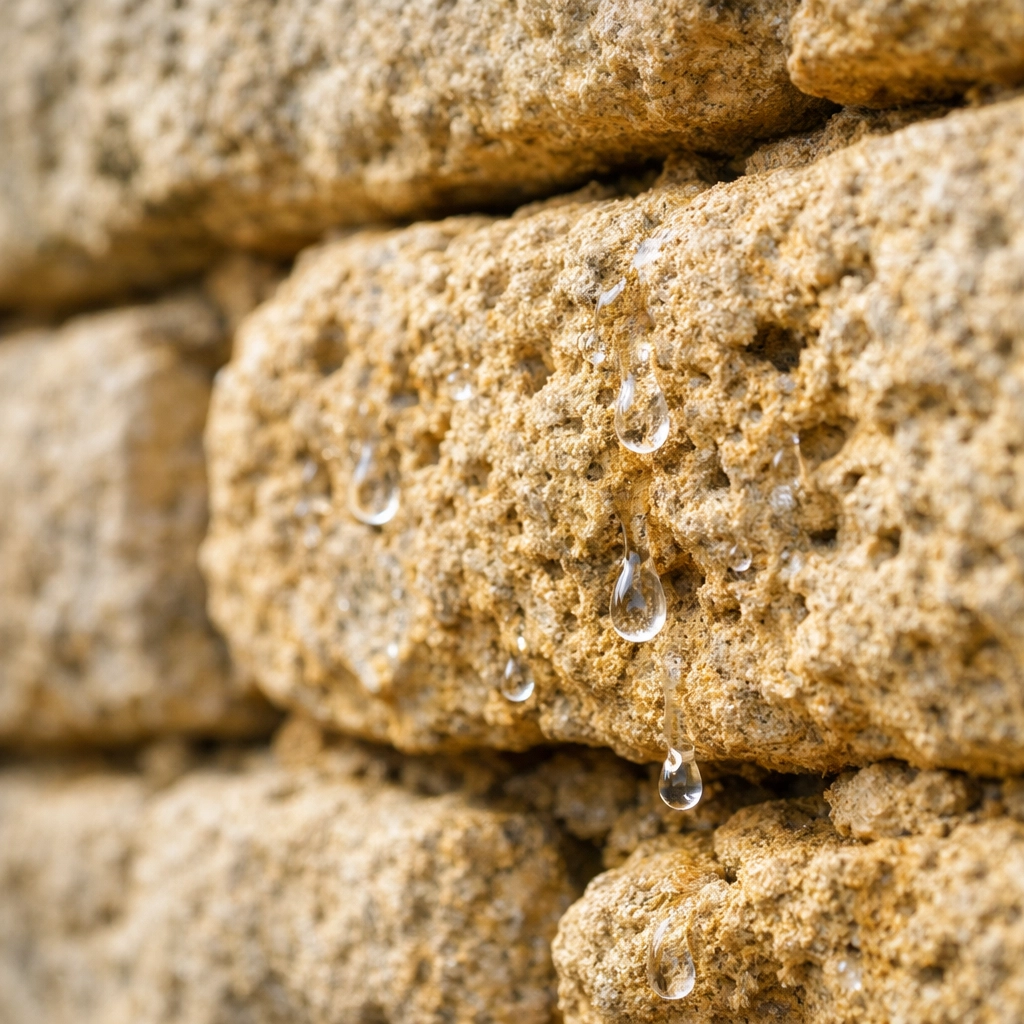
Trapped moisture leads to wet rot, dry rot, and mould growth. Interior air quality suffers. Original plasterwork deteriorates. Timberwork decays from the inside out.
This is why conservation officers regularly refuse planning applications that specify inappropriate materials. They understand what many general builders do not: that heritage properties require sympathetic treatment.
The principle is straightforward. Allow your walls to breathe, and moisture can escape naturally. Seal them with modern paint systems or cement renders, and you create a waterproof barrier that traps dampness within the fabric of the building.
Step 2: Assess Your Building's Original Construction
Different period properties require different approaches.
A medieval timber-framed building has vastly different needs from a Regency townhouse or a Victorian villa. Before selecting any finish, you must understand your property's specific construction and historical context.
Consult with a heritage specialist or conservation surveyor. They can identify original materials, assess current condition, and recommend appropriate finishes that align with conservation principles.
Medieval buildings often feature earth-based renders containing traditional elements: horse hair, lime putty, sometimes even badger hair in premium specifications. Georgian properties typically employed fine lime plasters finished with distemper or limewash. Victorian buildings might combine both traditional and early industrial materials.
Understanding your building's age and construction method informs every subsequent decision about materials and application techniques.
For Cotswold properties specifically, local stone types matter enormously. Oolitic limestone requires different treatment from Cotswold brash or pennant sandstone. Each has distinct porosity and breathability characteristics.
This is not information you will find on standard product data sheets. It requires specialist knowledge accumulated through years of working with period properties in your region.
Step 3: Select Appropriate Breathable Plasters and Renders
Lime-based materials form the foundation of any breathable wall system.
For internal walls, specify breathable lime plaster. Natural hydraulic lime (NHL) plasters offer excellent breathability whilst providing adequate strength for most applications. They remain flexible, accommodating the subtle seasonal movement common in older buildings without cracking.
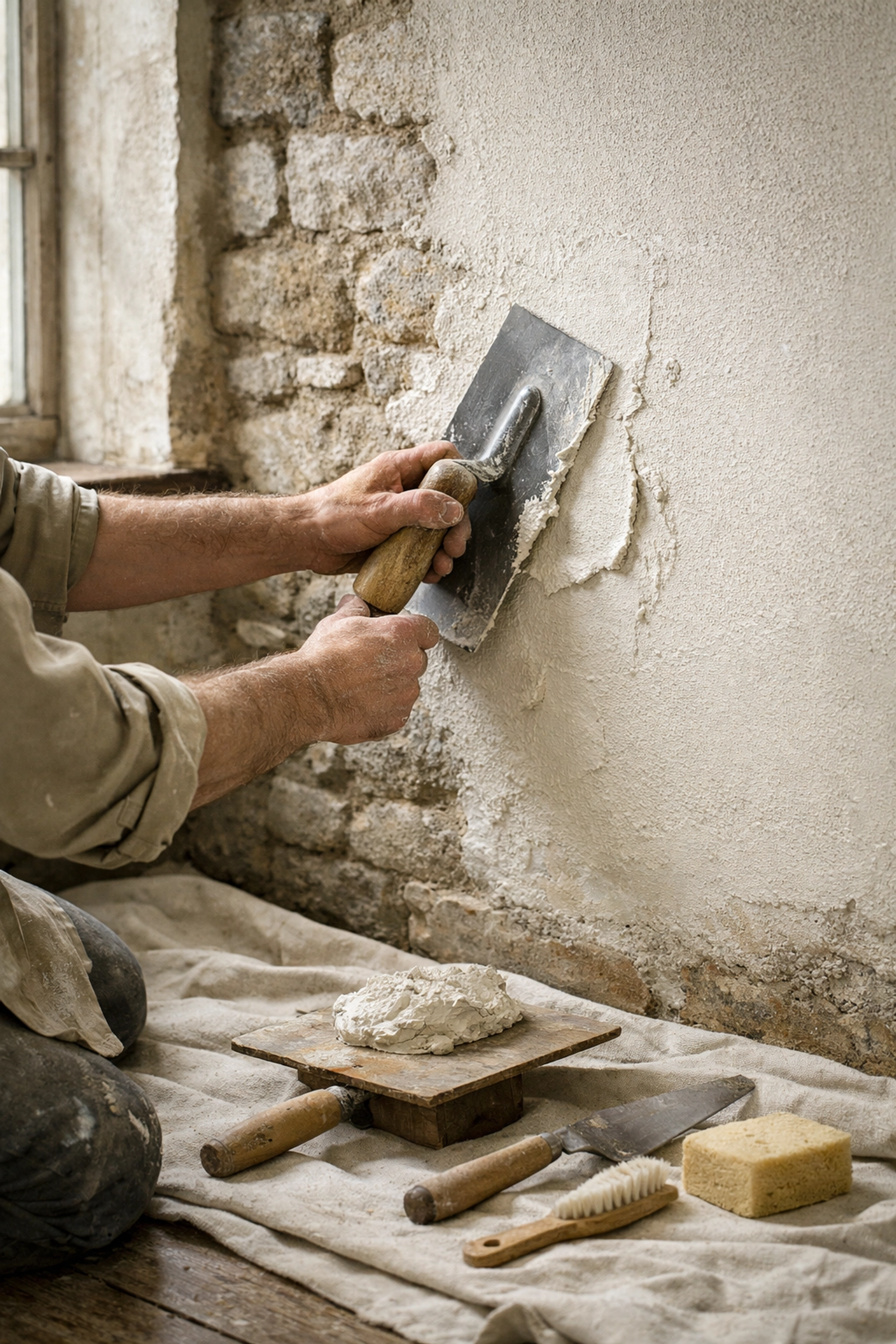
External renders require similar consideration. Lime renders protect masonry whilst allowing moisture transfer. Mix proportions matter: too much lime creates excessive softness, too little compromises breathability.
Clay plasters present an alternative for internal finishes. Completely natural, containing no synthetic binders or toxic ingredients, clay creates beautifully smooth surfaces with exceptional breathability. They also offer excellent thermal mass properties, naturally regulating humidity levels within rooms.
For properties requiring internal insulation: always a delicate matter in listed buildings: wood fibre boards can be finished with lime plaster or natural plasterboard. This maintains breathability throughout the wall assembly.
Silicate-based renders work effectively with breathable insulation systems on external walls, though lime remains the more traditional and often more appropriate choice for most Cotswold properties.
Avoid gypsum-based plasters entirely. Despite their prevalence in modern construction, they lack the breathability of original lime plasters and create problems when applied to solid walls.
Step 4: Choose Breathable Paint Systems and Decorative Finishes
Paint selection matters as much as substrate preparation.
Modern masonry paints contain acrylic or vinyl binders that form impermeable films. Applied to your listed building's exterior, they trap moisture behind a plastic barrier. Within months, you will observe bubbling, flaking, and accelerated decay of the underlying masonry.
Breathable alternatives include:
Limewash remains the most traditional option. It soaks into porous surfaces rather than sitting on top, bonding naturally with lime plaster or render beneath. High alkalinity inhibits mould and algae growth. Limewash requires reapplication every few years, but this maintenance cycle is part of proper heritage property care.
Mineral silicate paints offer durability with breathability. They bond chemically with mineral substrates, creating a permanent yet porous finish. Available in sophisticated heritage colours, silicate systems suit properties where limewash proves impractical.
Natural lime paints provide a middle option: more durable than limewash, more traditional than silicate systems. Quality formulations declare all ingredients and contain no synthetic binders.
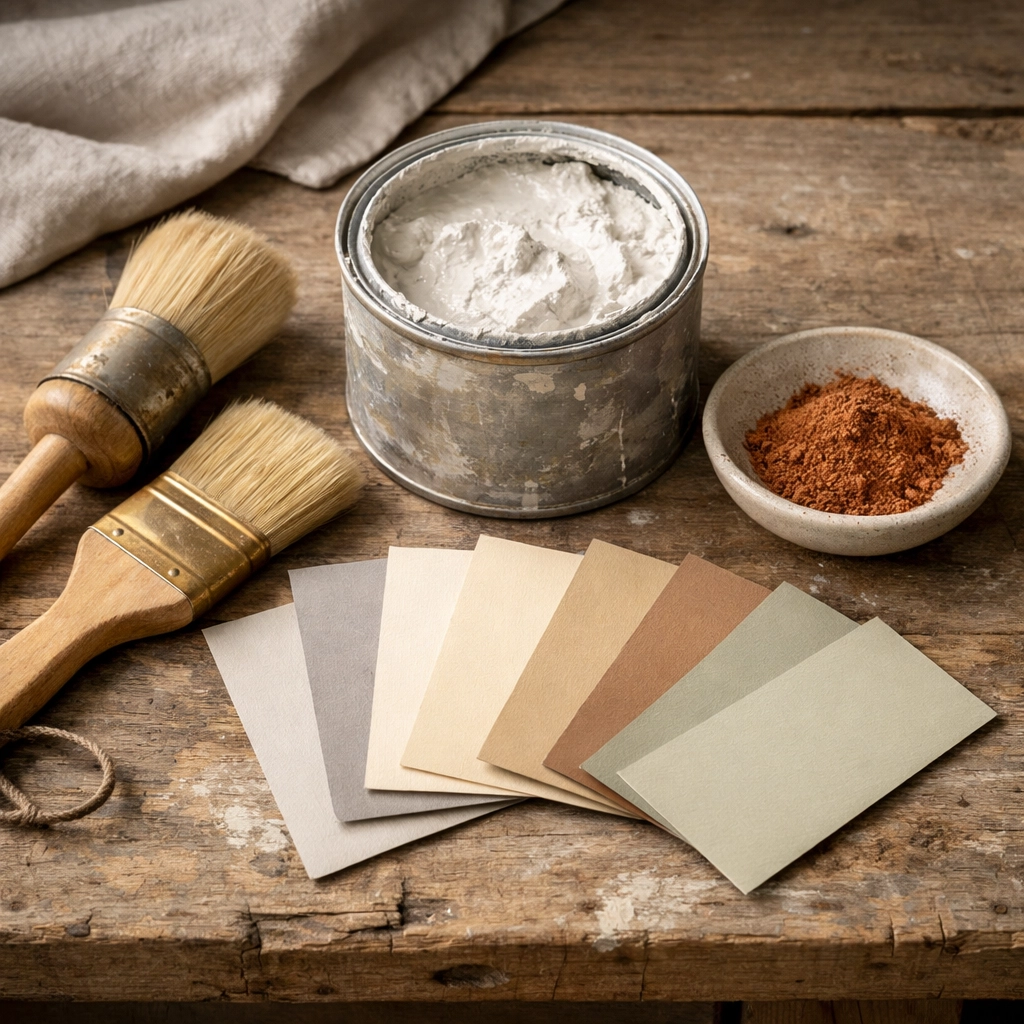
For interior finishes, specify paints with full ingredient disclosure. Many natural paint manufacturers cater specifically to period property owners, offering ranges developed for breathable wall systems.
Traditional distemper creates beautiful, chalky finishes on lime plaster but requires skilled application. Clay paints provide excellent breathability with better durability than distemper whilst maintaining authentic appearance.
Avoid vinyl emulsions on breathable plasters. The plastic film they create negates all your careful specification of appropriate substrates.
Step 5: Avoid Incompatible Materials and Engage Specialist Contractors
Well-intentioned work by inexperienced builders causes more damage than neglect.
Certain materials remain fundamentally incompatible with breathable wall systems:
Cement-based renders and mortars are too hard and impermeable for historic masonry. They trap moisture and cause spalling: where the stone face deteriorates due to freeze-thaw action on trapped water.
Plastic membranes and waterproof barriers prevent necessary moisture transfer. Despite manufacturers' claims about "breathable" membranes, traditional buildings function best without modern barrier systems.
Gypsum plasters and modern lightweight plasters lack compatibility with lime substrates and solid wall construction.
Synthetic sealants and mastics trap moisture at junctions. Traditional putties and lime-based pointing remain preferable.
The quality of installation matters as much as material selection. Poor workmanship compromises even the finest materials.
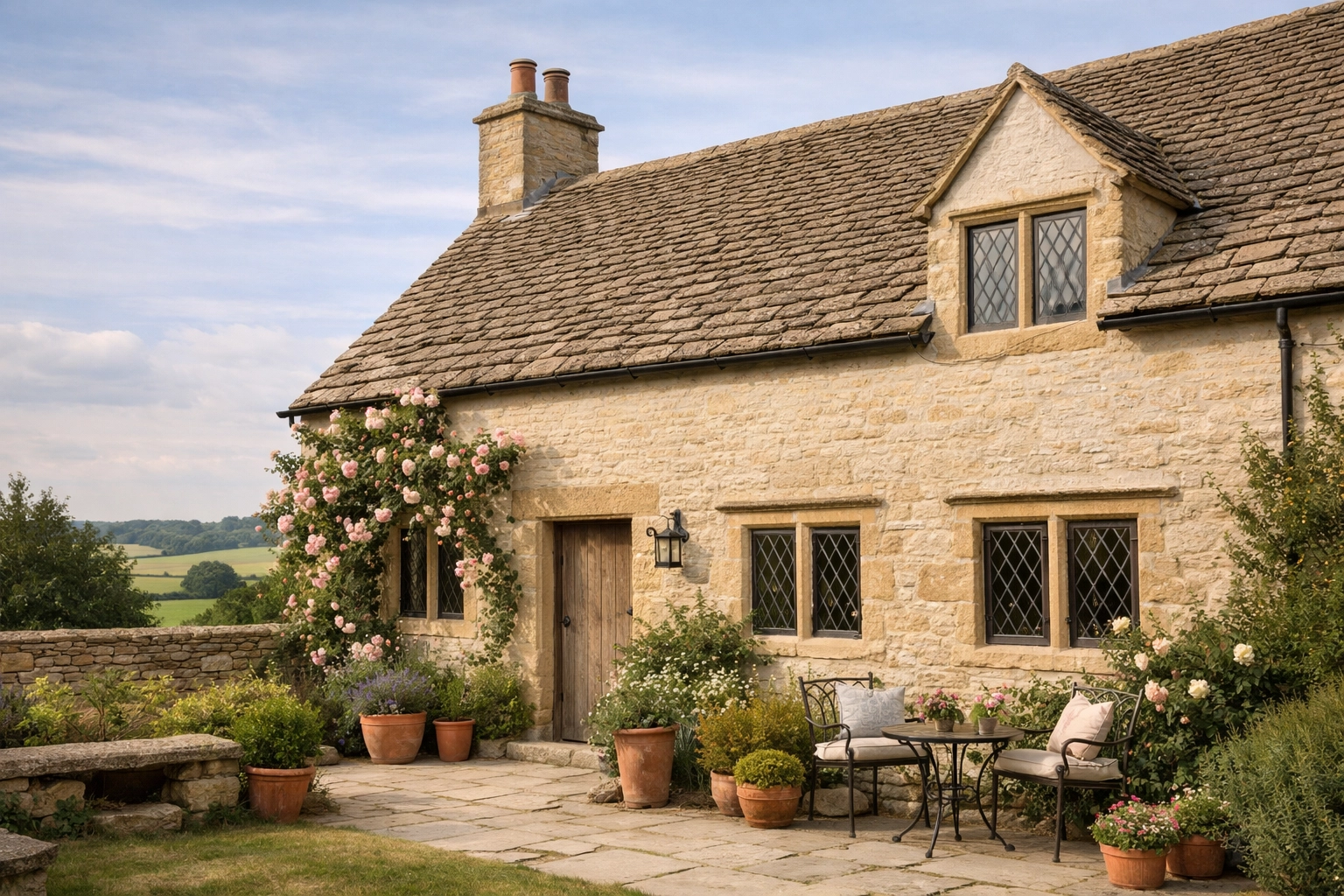
Breathable systems require continuity throughout the wall assembly. Any impermeable layer: whether membrane, cement render, or plastic paint: breaks the moisture transfer chain and creates problems.
For listed buildings in the Cotswolds, conservation consent requirements mean you must demonstrate appropriate material choices before commencing work. Conservation officers appreciate detailed specifications that reference historical precedent and breathable material science.
Engage painters and decorators who specialise in heritage work. General builders rarely possess the specific knowledge required for period property maintenance. Experience with limewash, traditional plasters, and historic paint systems cannot be acquired through weekend courses.
Common Questions About Breathable Wall Finishes
How much does appropriate specification cost compared to standard materials?
Quality breathable materials typically cost more per litre or bag than modern alternatives. However, their longevity and protective qualities reduce long-term maintenance costs substantially. Repairing moisture damage from inappropriate materials proves far more expensive than specifying correctly from the outset.
Can I use breathable finishes in only some rooms?
Consistency throughout the property yields best results. However, prioritising key areas: external elevations, rooms with existing damp issues, or spaces with valuable original features: makes sense when budget constraints exist.
Will breathable finishes look different from modern paint?
Traditional finishes possess distinct aesthetic qualities. Limewash creates subtle colour variation and gentle texture. Natural paints often display less uniform coverage than synthetic alternatives. Many property owners prefer this authentic appearance, finding it more sympathetic to period architecture.
How do I maintain breathable wall systems?
Limewash requires reapplication every 3-5 years. Lime renders need periodic inspection for cracks requiring lime-based pointing repair. Clay and lime paints typically last 5-10 years before redecoration. This maintenance cycle aligns with proper care of historic properties.
Protecting Your Heritage Investment
Choosing breathable wall finishes represents responsible stewardship of architectural heritage.
Your listed building survived centuries because previous owners understood appropriate materials and maintenance. Modern synthetic systems, despite their convenience, threaten this continuity.
Specification requires careful consideration of your property's specific construction, local materials, and historical context. Generic solutions rarely prove adequate.
Working with specialists who understand both listed building decorating requirements and breathable material science ensures your property receives appropriate treatment.
The investment in proper materials and skilled application protects your property's fabric, maintains its value, and preserves it for future generations.
That is the essence of heritage conservation: using knowledge and craft to protect what we have inherited.

Comments